News Summary
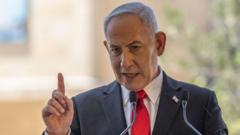
Reported facts: BBC reports that Benjamin Netanyahu accused New York City Mayor Mamdani of 'fomenting hate' after Mamdani earlier said he would seek to arrest Netanyahu on an International Criminal Court warrant; Mamdani later walked back the statement, acknowledging he lacked the legal authority to carry out such an arrest. Attributed claims: the article attributes the accusation and the mayor's retraction to the named principals. Uncertainties: the piece does not include full direct quotations, legal analysis of municipal authority versus international warrants, or responses from other governments or the ICC.
Source and Framing Analysis
The article is a brief news item focused on a political exchange; it presents the accusation and the retraction but offers little supporting detail—no full quotes, no legal assessment, and no broader diplomatic context. That framing emphasizes the political clash but leaves substantive legal and diplomatic questions open, which materially affects how readers should interpret the gravity and veracity of the claims.
Biblical Reflection
This report describes a public clash that crosses local civic authority and international legal claims. The immediate facts are straightforward: a mayor made a public statement about enforcing an ICC warrant, then retracted it after recognizing legal limits; a foreign leader responded by accusing the mayor of fomenting hate. Christians should note the moral stakes in public speech—words from leaders shape civic trust, inflame or calm public passions, and affect vulnerable people who may feel targeted or endangered by political rhetoric.
Evaluate the narrative for both truth and charity. The article reports actions and a retraction; it does not supply fuller legal analysis, broader diplomatic responses, or detailed quotations that would let readers fully weigh motive or proportionality. Scripture calls believers to pursue truth and also to be slow to speak in ways that deepen enmity; public leaders are accountable both for legal correctness and for the tenor of discourse they set. In practice, Christians can hold leaders accountable for accuracy while praying and advocating for speech that seeks justice without dehumanizing opponents.
Finally, be mindful of how international law, municipal authority, and partisan identity interact. The incident highlights a tension between symbolic political gestures and the concrete limits of office. A faithful Christian response resists tribal reflexes and instead asks: does this action protect the vulnerable, promote truthful public life, and pursue peace consistent with justice?
Scripture in context
- 1Matthew 5:9 — Part of the Sermon on the Mount, a section where Jesus outlines the ethics of his followers and emphasizes the value of humility, mercy, and peacemaking within a community confronting injustice and conflict. — The passage commends peacemaking as a virtue; in public disputes Christians are called to pursue truth and justice while also aiming to reduce harm, seek reconciliation, and avoid rhetoric that deepens enmity.
Faithful Response
Pray for wisdom for leaders on both sides and for communities affected by heated rhetoric.
Seek reliable information before forming conclusions—ask for full statements, legal analysis, and corroborating reporting.
Respond to public claims with measured speech that names error where necessary but avoids escalating hostility.
Support institutions and practices (legal review, diplomacy, independent reporting) that clarify facts and protect vulnerable people.
Reflection and Discussion
- 1What signs distinguish political signaling from sincere attempts to enforce justice, and how should that shape Christian judgment?
- 2Where should Christians draw the line between calling out falsehood and contributing to inflammatory public rhetoric?
- 3How can the church be a place that models truthful, humble, and peace-oriented speech amid political disputes?
Sources
Reporting links are evidence inputs; Sanctuary News' biblical reflection is commentary.
This outlook currently relies on fewer than two linked sources. Broaden verification before teaching from it.
- 1.Netanyahu accuses NYC Mayor Mamdani of 'fomenting hate' after arrest threatprimary_reporting