News Summary
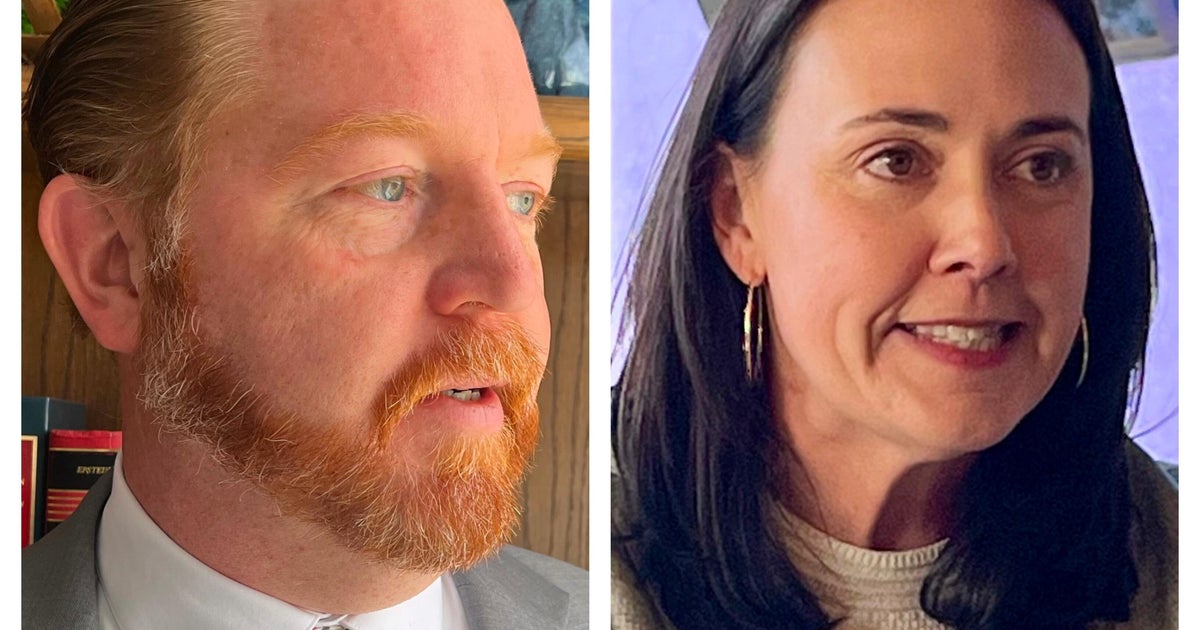
On May 12, 2026, Nebraska and West Virginia held primary elections. In Nebraska: Republican Rep. Don Bacon announced he will retire in January, leaving an open House seat in the Omaha-area 2nd Congressional District. Several Democrats competed for the party nomination to challenge Republican nominee Brinker Harding (who ran unopposed in the GOP primary); leading Democratic primary candidates included state Sen. John Cavanaugh and organizer Denise Powell. The contest included debate over whether Cavanaugh’s possible departure from the state legislature could allow Gov. Jim Pillen to appoint a successor and, critics say, prompt Republican efforts to change Nebraska’s congressional-district method of allocating electoral votes. GOP Sen. Pete Ricketts, who had been appointed in 2023 and won a 2024 special election to finish a term, defeated four primary challengers and is running for his first full term; he has been backed by former President Trump and the Nebraska Farm Bureau. The Democratic primary for Ricketts’s race produced a projected winner, Cindy Burbank, though the Nebraska Democratic Party has endorsed independent candidate Dan Osborn; Osborn is running as an independent and must meet an August ballot-signature deadline to appear on the November ballot. Nebraska Secretary of State Bob Evnen had sought to remove Burbank from the ballot over questions about her being a “good-faith” candidate, but the Nebraska Supreme Court reinstated her. Other minor-party and intra-party disputes—including accusations that candidates were “plants” meant to divert votes—were reported. Fundraising figures noted: Osborn raised over $3.8 million and Ricketts over $4.8 million. Gov. Jim Pillen defeated five GOP primary challengers for governor; former state Sen. Lynne Walz won the Democratic gubernatorial primary. In West Virginia: two-term Republican Sen. Shelley Moore Capito (referred to in the article as Moore Capito) defeated five primary challengers and is projected to be the GOP nominee; Democrats nominated Rachel Anderson for the Senate race.
Biblical Reflection
This article largely reports candidate outcomes and intra-party disputes without taking a strong editorial stance, but it highlights several recurring features of modern American politics that Christians should notice and weigh prayerfully. First, strategic calculations—over ballot access, appointments, and the state’s method for allocating electoral votes—drive much of the controversy. Parties and candidates sometimes prioritize tactical advantage (endorsements of independents, accusations of “plants,” questions about “good‑faith” candidacies) over transparent, issue-focused debate. Second, endorsements, large fundraising totals, and outside backing (e.g., by former President Trump and interest groups) play a prominent role in shaping races. That underscores how power and money influence outcomes, which can crowd out quieter virtues like integrity, humility, and service. Third, the article reveals intra‑party tensions as much as inter‑party competition: Democrats in Nebraska are publicly divided over strategy and candidate loyalty, and accusations of bad faith circulate on all sides. Christians should be cautious about narratives that reduce opponents to caricatures (e.g., labeling someone a “plant”) and should interrogate claims rather than accept politically useful accusations at face value. Biblically, elections and governance matter because they shape the common good; Christians are called both to seek justice and to act with truthfulness and humility (Micah 6:8, Philippians 2:3). Evaluate reporting for what it documents (who won, who was endorsed, legal rulings) versus what it implies (motive, sabotage) and look for primary sources—filings, court orders, campaign statements—when possible. Finally, remember that political contests often expose the brokenness of human systems; our faithful response is to pursue truth, offer wise counsel, and pray for leaders and neighbors regardless of party.
Scripture in context
This outlook does not yet include contextual Scripture citations. Do not treat a general biblical theme as an exegetical conclusion.
Faithful Response
No prescribed response is offered. Consider the reflection prompts below in your own church context.
Reflection and Discussion
- 1What incentives (money, endorsements, ballot rules) shape the choices parties and candidates make here, and how might those incentives distort the pursuit of the common good?
- 2When media and campaigns use phrases like “plant” or question a candidate’s good faith, what evidence should you look for before accepting that claim as true?
- 3How does the focus on tactical advantages (e.g., appointing successors, changing electoral rules) change the tone of civic life, and what virtues should Christians advocate for in public discourse?
Sources
Reporting links are evidence inputs; Sanctuary News' biblical reflection is commentary.
This outlook currently relies on fewer than two linked sources. Broaden verification before teaching from it.
- 1.Original reportprimary