News Summary
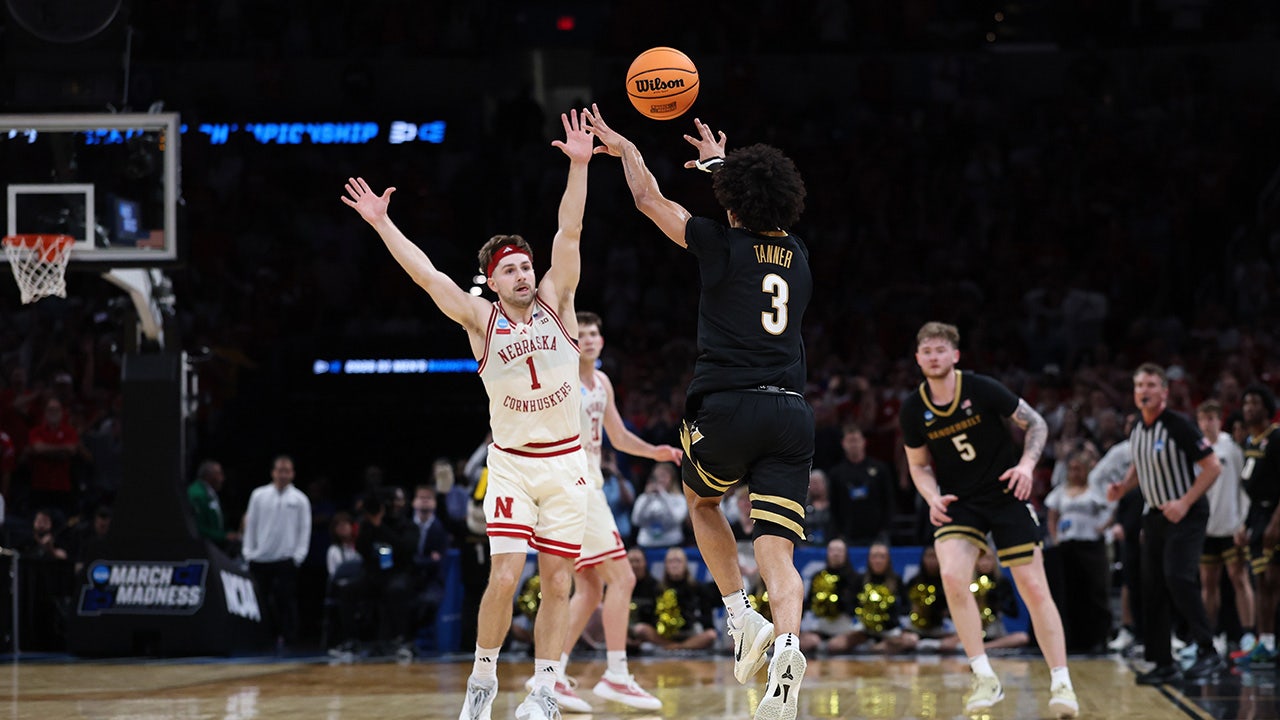
No. 4 Nebraska defeated No. 5 Vanderbilt 74-72 in an NCAA Tournament game at Paycom Center in Oklahoma City on March 21, 2026, advancing to the Sweet 16. Nebraska led by as many as 10 in the first half; Vanderbilt rallied and briefly led late. With under a minute remaining, Vanderbilt's Rienk Mast tied the game, and Nebraska’s Braden Frager made a contested layup with 2.2 seconds left. Vanderbilt inbounded to Tyler Tanner, who pulled up from beyond half-court; his in-and-out buzzer attempt clanged off the backboard and rim, narrowly missing a historic shot that would have sent the Commodores to the Sweet 16. Tanner finished with 27 points; Nebraska had four players in double figures, with Pryce Sandfort and Braden Frager each scoring 15. This marks Nebraska’s first-ever advancement to the Sweet 16 after prior tournament appearances without reaching this round. Nebraska will face the winner of No. 1 Florida vs. No. 9 Iowa.
Biblical Reflection
This game highlights several spiritual lessons familiar to Scripture. First, the thin margin between victory and defeat underlines our limited control and the contingency of human plans — even our best efforts can come within an inch of success and still fall short. Proverbs reminds us that people make plans, but the Lord directs outcomes; sports give us concrete moments to practice trust in God’s sovereignty without turning providence into a scoreline.
Second, the match calls Christians to respond with humble grace whether we celebrate or lament. For Nebraska, this is a long-awaited triumph and an occasion for gratitude rather than boastful pride; for Vanderbilt and Tyler Tanner, it is a heartbreaking near-miss and a moment for perseverance rather than despair. Paul’s pastoral counsel to rejoice with those who rejoice and mourn with those who mourn (Romans 12:15) fits here: fans and faith communities can model empathetic presence, not tribal triumphalism.
Third, the spectacle invites discernment about what we idolize. Sports can sharpen character—discipline, teamwork, resilience—but they can also become idols that displace worship, distort identity, or fuel unhealthy pride or despair when outcomes define worth. Christians should steward gifts and public attention responsibly, using moments of success to give thanks and moments of loss to cultivate resilience, hope, and deeper priorities rooted in Christ.
Finally, moments like this are pastoral opportunities. Coaches, players, and fans need encouragement to keep perspective: athletic outcomes are fleeting, but the virtues practiced — humility in victory, compassion in loss, perseverance in training — form Christlike character. Pray that both teams grow in integrity and use their platforms for good, and that believers show kindness and solidarity across rivalry lines.
Scripture in context
This outlook does not yet include contextual Scripture citations. Do not treat a general biblical theme as an exegetical conclusion.
Faithful Response
No prescribed response is offered. Consider the reflection prompts below in your own church context.
Reflection and Discussion
- 1When an outcome falls short by a narrow margin, how do I typically respond, and how could the gospel shape a healthier response?
- 2If I celebrate a victory, how can I do so with humility and gratitude rather than pride?
- 3How can moments from sports — teamwork, loss, comeback — be used to cultivate Christlike character in my life and community?
Sources
Reporting links are evidence inputs; Sanctuary News' biblical reflection is commentary.
This outlook currently relies on fewer than two linked sources. Broaden verification before teaching from it.
- 1.Original reportprimary