News Summary
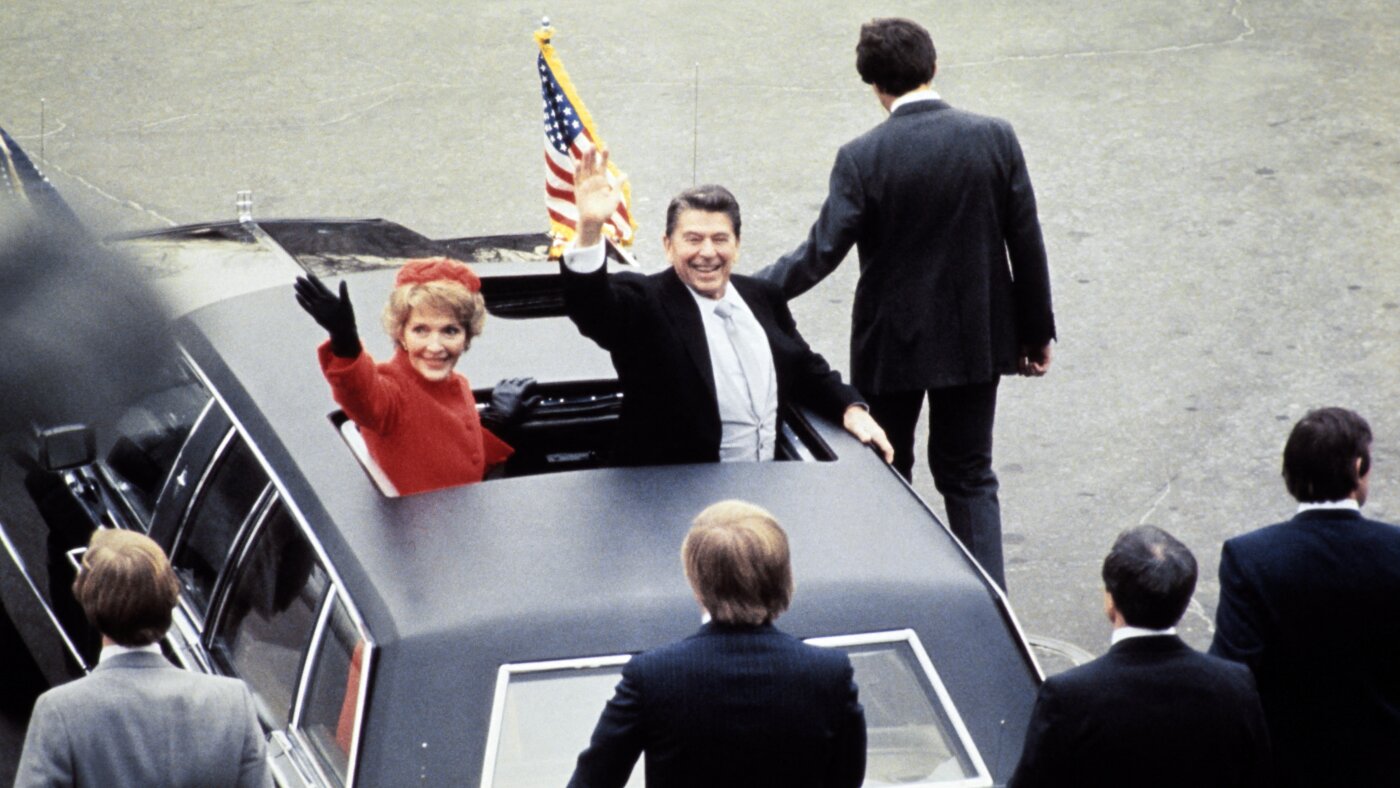
A new orchestral and video piece called "The Ronald Reagan Overture" was performed at the Ronald Reagan Presidential Library as part of the country's 250th anniversary programming. The New West Symphony received a $25,000 grant from the National Endowment for the Arts (NEA) — one of roughly 50 grants the agency awarded to create works tied to figures proposed for the "National Garden of American Heroes," a Trump-era sculpture-park concept still at the proposal stage. The article reports that the Trump Administration shifted NEA priorities toward patriotic programming, rescinded about $21 million in NEA grants in 2025, and eliminated the Challenge America grant program that supported organizations serving historically underserved communities. Some applicants were asked to certify they would not operate programs promoting diversity, equity, and inclusion (DEI) under new policies; a number of organizations declined grants for that reason, while others retooled proposals to fit the new guidelines. The Chicago-based Sones de México Ensemble reworked a denied corrido project to celebrate figures on the approved list and received a grant. Commenters in the story include the New West Symphony director, audience members at the Reagan event, the Reagan Foundation spokesperson, the ensemble’s cofounder, and a historian who described different forms of patriotism and warned that state-supported patriotic art can both unite and deepen political divides. The NEA said the anniversary is an opportunity to celebrate national artistic heritage.
Biblical Reflection
This article documents a concrete shift in public arts funding priorities that has real consequences for which stories receive support. From a Christian pastoral perspective, several tensions are important to name: stewardship of public resources requires fairness and care for the vulnerable; the arts reflect and shape public imagination, so who is elevated matters morally; and governmental influence on culture can either encourage civic virtues or silence prophetic, marginalized, or critical voices. The reporting appears fact-based about grant rescissions and policy changes, but its framing centers the cultural effects rather than arguing policy merits. Christians should recognize the legitimate desire for cultivating civic pride and shared memory, while also resisting cultural arrangements that marginalize minority perspectives or use art primarily as propaganda. Love of neighbor calls us to advocate that public funding preserve space for diverse voices and for art that holds power to account, not only for work that affirms prevailing political narratives. Practically, that means supporting artistic freedom, prudent stewardship of public funds, and civil engagement so cultural life can reflect truth, mercy, and the common good.
Scripture in context
This outlook does not yet include contextual Scripture citations. Do not treat a general biblical theme as an exegetical conclusion.
Faithful Response
No prescribed response is offered. Consider the reflection prompts below in your own church context.
Reflection and Discussion
- 1Who gains and who loses when public arts funding prioritizes patriotic themes over outreach to underserved communities?
- 2How might funding criteria shape which cultural stories become ‘official’ memory, and what are the moral implications of that selection?
- 3When government support steers artistic content, how should Christians weigh civic unity against the need for prophetic critique and minority representation?
Sources
Reporting links are evidence inputs; Sanctuary News' biblical reflection is commentary.
This outlook currently relies on fewer than two linked sources. Broaden verification before teaching from it.
- 1.Original reportprimary