News Summary
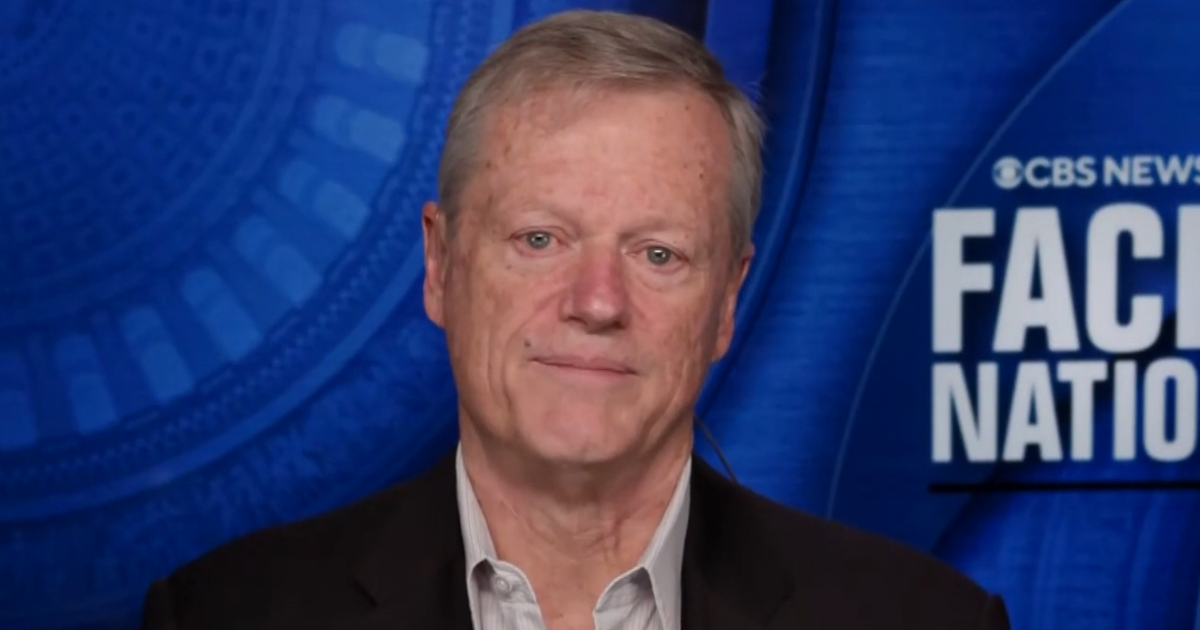
In a July 1 interview aired July 5, 2026, NCAA President Charlie Baker said he hopes to "dramatically limit" prop betting at the collegiate level and beyond, arguing it has changed fandom and demeaned student-athletes. He described fans directing bettors' instructions at players (e.g., "don't take the first shot") and called that abuse "disgraceful" and demoralizing. The article explains prop bets as wagers on individual players or discrete events rather than game outcomes. The NCAA cites prior research: a 2024 report that identified nearly 750 sports-betting-related abuse and match-fixing allegations (12% of abuse identified) and a 2025 study reporting that 36% of Division I men's basketball players experienced social-media abuse tied to betting in the prior year. The NCAA began advocating for stricter betting regulations in 2023 and has urged state gambling regulators and prediction-market overseers to limit or suspend prop markets. Baker described the NCAA's surveillance and integrity program that monitors social media at major championships, reports abusive or suspicious activity to platforms and authorities, and seeks to remove offending accounts. Baker also welcomed professional leagues' steps to restrict prop betting and said he hopes colleges and pro leagues can together reduce or eliminate harmful prop bets at the collegiate level.
Biblical Reflection
From a Christian perspective the core concern—protecting the dignity and safety of young people—is rightly prioritized here. The reports the NCAA cites show concrete harms: targeted abuse, pressure on individual players, and potential integrity risks. Christians should affirm efforts that defend vulnerable individuals from exploitation, verbal abuse, and practices that treat people as means to profit. At the same time, we should note institutional bias and incentives: the NCAA and professional leagues have reputations and financial interests tied to the health of their sports, which can legitimately motivate reform but also shape the narrative. Likewise, gambling businesses and media shape public perception around acceptable norms. The ethical issue runs deeper than regulation alone: a cultural appetite for monetizing every moment of performance reflects a worldview that commodifies persons. Christian wisdom calls for policies that protect people without unduly criminalizing or shaming students, provide pastoral care for those abused, promote transparency and fair enforcement, and address root causes—such as social-media culture and the normalization of extracting profit from others' bodies and choices. Finally, prudence is needed in crafting regulation so it reduces harm, preserves restorative pathways for youth who gamble, and upholds truth, mercy, and justice.
Scripture in context
This outlook does not yet include contextual Scripture citations. Do not treat a general biblical theme as an exegetical conclusion.
Faithful Response
No prescribed response is offered. Consider the reflection prompts below in your own church context.
Reflection and Discussion
- 1Who benefits financially from expanding prop betting, and which people—especially young athletes—are most likely to be harmed?
- 2Is the push for regulation primarily driven by sincere concern for student welfare, institutional self-interest, or both, and how does that affect how we weigh proposed solutions?
- 3How does treating players as objects of wagers change public attitudes toward athletes and their moral worth?
Sources
Reporting links are evidence inputs; Sanctuary News' biblical reflection is commentary.
This outlook currently relies on fewer than two linked sources. Broaden verification before teaching from it.
- 1.Original reportprimary