News Summary
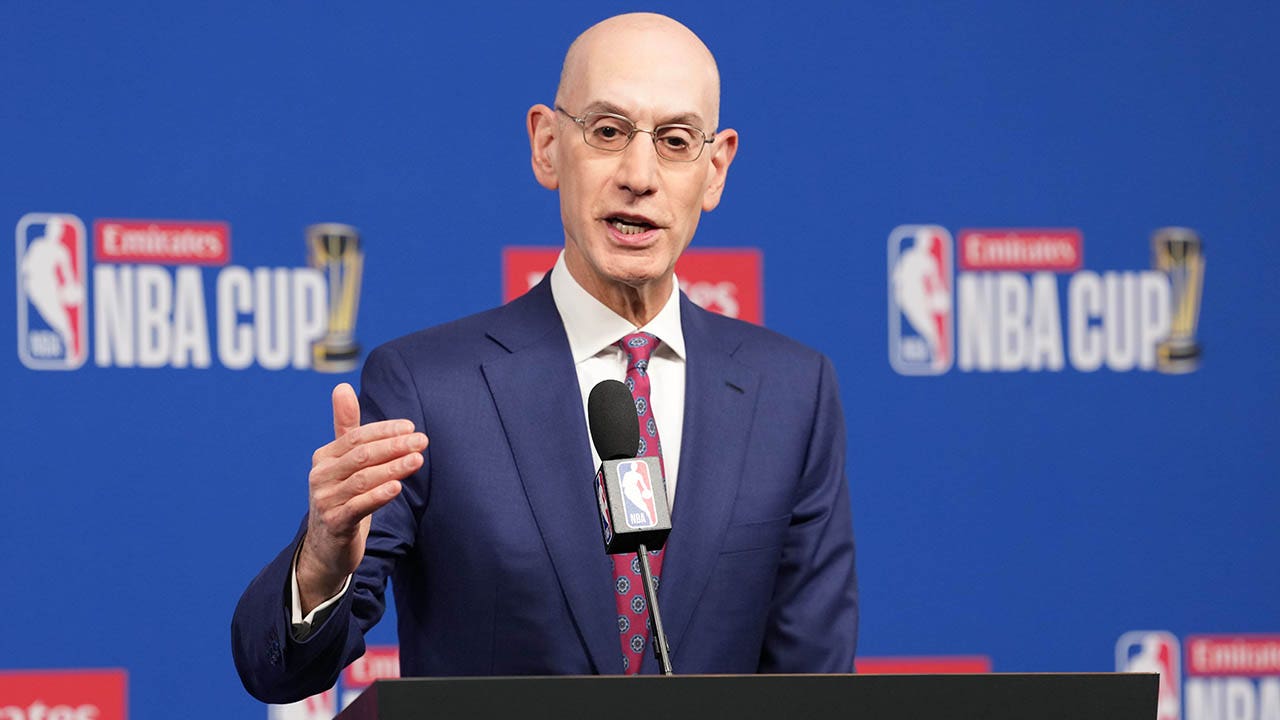
The NBA Board of Governors approved a new draft-lottery format by a 29–1 vote (Memphis Grizzlies dissenting). The plan, branded a '3-2-1' structure, expands lottery eligibility to 16 teams and redistributes top-pick odds: the league’s three worst teams no longer receive the most favorable odds for the No. 1 pick, while teams finishing fourth through 10th overall receive improved chances. Under the revision, the ninth- and 10th-worst teams will each have a 5.4% chance at the top overall pick—the same percentage assigned to the league’s bottom three teams. The new rules also add protections preventing a franchise from winning the No. 1 pick in consecutive seasons and from receiving a top-five pick in three straight drafts. Play-in outcomes factor into eligibility: the loser of the 7/8 play-in matchup becomes lottery-eligible and carries a 2.7% chance at the top pick, while the winner is locked into a late first-round slot. League leaders say the changes are intended to reduce blatant tanking; analysts warn the incentives may shift toward calculated mediocrity and late-season positioning by teams near the play-in/playoff bubble.
Biblical Reflection
The NBA’s stated goal—promoting fair competition by reducing deliberate losing—reflects a healthy desire for integrity in sport. The reforms attempt to change incentives rather than simply punish outcomes, which is a pragmatic approach. However, altering rules without addressing the economic realities that drive tanking (drafts as primary pipelines for star talent, market inequities, revenue structures) risks creating new perverse incentives. From a Christian perspective, this is a reminder that good intentions and regulatory fixes must be paired with wisdom about underlying structures and human motives. The article’s framing mixes factual reporting with speculative criticism and some dismissive language; readers should note the author’s tone and the leap from preventing blatant tanking to predicting a league-wide push for mediocrity—both are plausible, but the outcomes will depend on how teams respond in practice. Christians following the story can encourage virtues the reform aims to recover—fair play, stewardship, and concern for the common good—while praying for leaders to pair policy changes with broader reforms that reduce inequality and reward long-term faithful stewardship rather than short-term manipulation.
Scripture in context
This outlook does not yet include contextual Scripture citations. Do not treat a general biblical theme as an exegetical conclusion.
Faithful Response
No prescribed response is offered. Consider the reflection prompts below in your own church context.
Reflection and Discussion
- 1Does this rule change address the root economic and competitive incentives that encourage tanking, or only one visible symptom?
- 2Whose interests are most affected by the new lottery odds—small-market teams, large-market teams, players, or fans—and how might that shape future behavior?
- 3Are we as a fanbase and as citizens of community willing to value integrity of competition over the spectacle of a single franchise’s short-term success?
Sources
Reporting links are evidence inputs; Sanctuary News' biblical reflection is commentary.
This outlook currently relies on fewer than two linked sources. Broaden verification before teaching from it.
- 1.Original reportprimary