News Summary
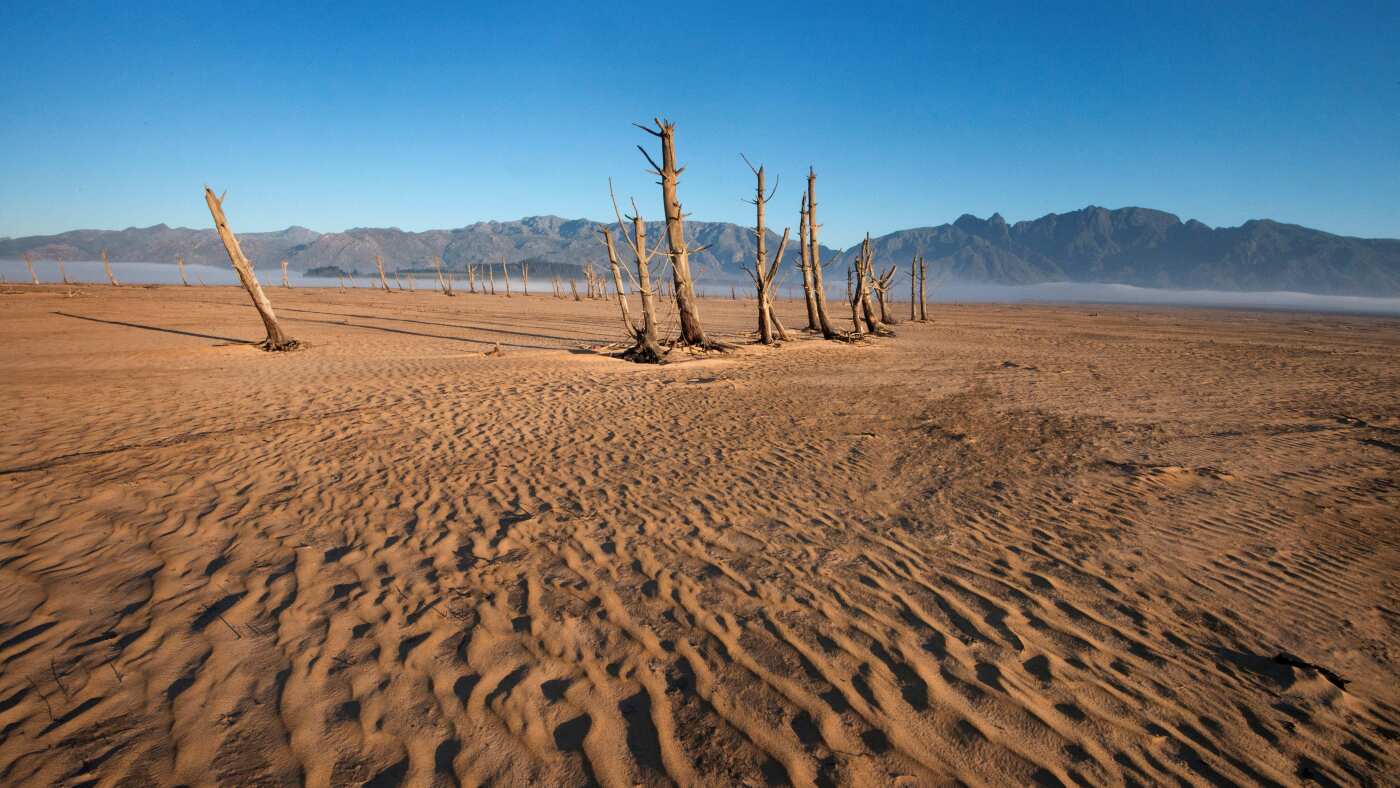
Researchers led by Dianne Newman report in Nature Microbiology that drier soils worldwide contain more genes for antibiotic production and more antibiotic-resistance genes. The team analyzed global soil samples and found a correlation between aridity (drought) and the abundance of genes linked to antibiotic production and resistance; laboratory experiments suggested that desiccation can concentrate antibiotic molecules in soil, selecting for organisms that tolerate them. The authors also identified several resistance genes found in dry soils that match genes seen in clinical bacterial samples, including one 100% identical match, and they note the potential for horizontal gene transfer from environmental bacteria to human pathogens. An ecological analysis comparing hospital resistance data across 116 countries showed a correlation between regional aridity and higher rates of antibiotic resistance, including when restricted to high-income countries. Some experts caution that correlation does not prove causation and that confounding factors (e.g., health system quality, sanitation) could contribute, so further research is needed to establish pathways and public-health impact.
Biblical Reflection
This study highlights how changes in the created order — here, increased drought — can have downstream effects on human health in ways that are complex and not immediately obvious. Biblically, God commissions humanity to steward creation (Genesis 2:15), and this research shows a practical cost when ecological conditions shift: microbial communities respond to environmental stressors in ways that can influence disease risk. The article is largely factual in reporting data and expert opinion, but readers should note the distinction between observed correlations and proven causal chains; some commentators in the piece correctly urge caution about over-interpreting the hospital-resistance link. From a Christian perspective we should neither panic nor ignore the findings. Instead, we should pursue wise, evidence-based responses: support scientific study, prudent antibiotic stewardship, improved water/sanitation and healthcare infrastructure (especially where systems are weak), and policies that care for fragile ecosystems. Spiritually, this invites humility — recognizing human vulnerability and the unintended consequences of environmental change — and responsible action rooted in love for neighbor and care for creation.
Scripture in context
This outlook does not yet include contextual Scripture citations. Do not treat a general biblical theme as an exegetical conclusion.
Faithful Response
No prescribed response is offered. Consider the reflection prompts below in your own church context.
Reflection and Discussion
- 1What assumptions does the study make when moving from environmental correlations to claims about human clinical risk, and what additional evidence would be needed to establish causation?
- 2How does this report challenge us to think about stewardship: are environmental changes like drought primarily an ecological problem, a public-health problem, or both, and how should that shape Christian concern and policy priorities?
- 3Which institutions or practices (research, sanitation, antibiotic stewardship, care for the poor) does this study suggest deserve more attention so that scientific knowledge translates into reduced risk for vulnerable communities?
Sources
Reporting links are evidence inputs; Sanctuary News' biblical reflection is commentary.
This outlook currently relies on fewer than two linked sources. Broaden verification before teaching from it.
- 1.Original reportprimary