News Summary
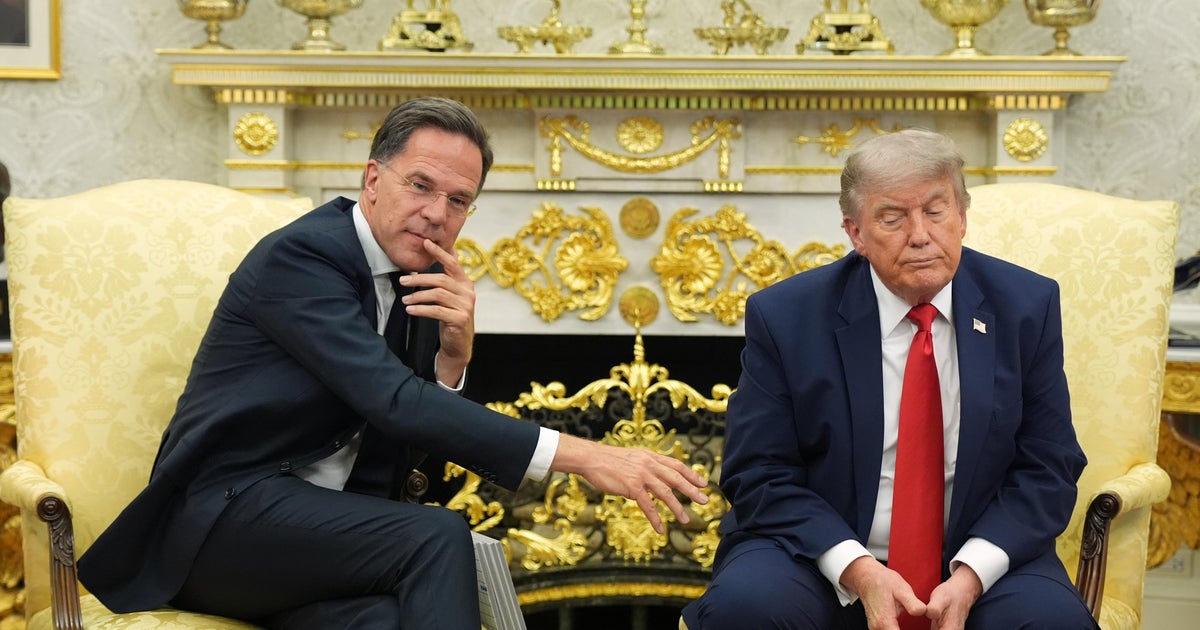
The NATO summit opened in Ankara as President Trump continued pressing alliance members to raise defense spending to 5% of GDP, a target allies agreed to at the 2025 Hague summit to be reached by 2035. The administration is pursuing a policy of “burden‑shifting,” reducing some U.S. military presence in Europe (including a planned withdrawal of about 5,000 troops from Germany and cuts to equipment) while expecting European allies to increase their capabilities and funding. U.S. officials and the U.S. ambassador to NATO framed the approach as enabling the United States to focus on other global priorities. The president’s rhetoric and actions have strained relations with some allies: a dispute with Italian Prime Minister Giorgia Meloni led to canceled visits and a public post by Mr. Trump; his interest in acquiring Greenland has unsettled Denmark and other Scandinavian partners; and he has criticized countries that decline the 5% pledge, including threatening trade measures against Spain. The summit takes place in Ankara, where the U.S. president has strengthened ties with Turkish President Recep Tayyip Erdoğan despite Turkey’s controversial record and complex ties with Russia. The international context includes a fragile ceasefire and negotiations involving Iran, U.S. military actions in the region, and continued concerns about the security of the Strait of Hormuz. Mr. Trump is scheduled to meet Ukrainian President Volodymyr Zelenskyy on the sidelines; Europe’s proximity to the Russia–Ukraine war means allied concerns about that conflict and regional defense will be prominent topics.
Biblical Reflection
From a Christian perspective, the report highlights legitimate responsibilities—stewardship of resources, care for national and allied security, and protecting civilians—that require wisdom and honest dialogue. At the same time, the tone and tactics described (public threats, transactional demands, unilateral posture changes, and talk of acquiring territory) risk eroding mutual trust, diminishing commitments made between nations, and treating allies as competitors rather than covenant partners. Christian virtues call for truthfulness about motives, humility in leadership, and a preference for peaceable solutions that protect the vulnerable. Practical security measures can be morally necessary, but when pursued in ways that disregard the sovereignty and dignity of other nations or that prioritize short‑term leverage over long‑term relationships, they conflict with neighbor‑love and peacemaking. Readers should note the article’s emphasis on U.S. policy choices and rhetoric—useful factual reporting—but also be aware that selective quotes and focus on controversy can amplify personal drama over substantive alliance deliberations. Christians should pray for leaders to pursue justice and safety without prideful dominance, and for alliances to be strengthened by mutual responsibility rather than coerced compliance.
Scripture in context
This outlook does not yet include contextual Scripture citations. Do not treat a general biblical theme as an exegetical conclusion.
Faithful Response
No prescribed response is offered. Consider the reflection prompts below in your own church context.
Reflection and Discussion
- 1Does shifting the financial burden of defense to allies build stronger collective security or weaken the trust and mutual obligations that sustain alliances?
- 2Are public threats and transactional diplomacy making it harder to resolve conflicts cooperatively and protect civilians, or are they an effective way to spur needed burden‑sharing?
- 3How should concerns for national security be balanced with respect for other nations’ sovereignty and the human dignity of peoples affected by military strategies?
Sources
Reporting links are evidence inputs; Sanctuary News' biblical reflection is commentary.
This outlook currently relies on fewer than two linked sources. Broaden verification before teaching from it.
- 1.Original reportprimary