News Summary
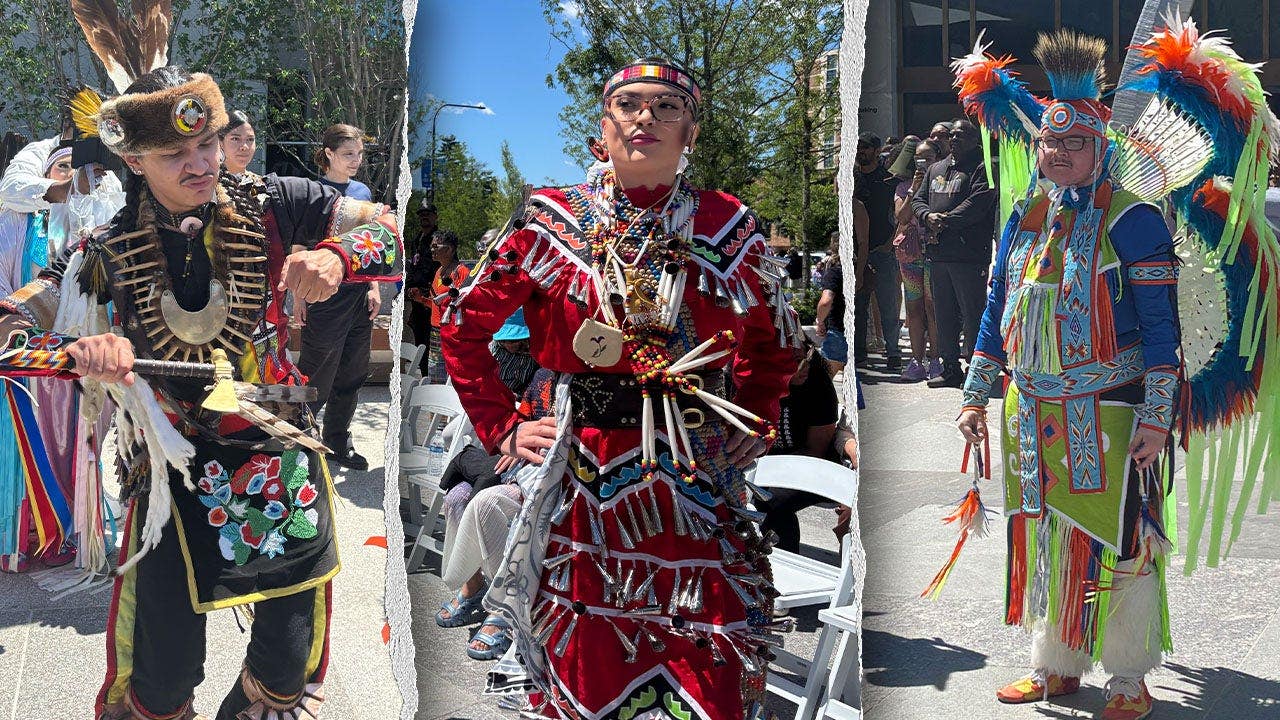
The Barack Obama Presidential Center opened in Chicago with a multi-day program of musical and cultural events. On June 20, the Black Hawk Performance Company, a Native American dance troupe with members from several Indigenous tribes including some Ojibwe performers, presented a roughly hour-long program in John Lewis Plaza featuring a drum circle, traditional dances and songs, and a piece honoring a Native American flag. The center’s opening ceremony earlier included a land acknowledgment read by Valerie Jarrett naming the Anishinaabe / Council of Three Fires (Ojibwe, Odawa, Potawatomi) and a placard recognizing indigenous peoples and referencing historical broken treaties; the sign also quoted Barack Obama on violated treaties. The article reports that social media users and conservative commentators criticized and mocked the land acknowledgment as performative, and it quotes several critics who argued the acknowledgment was hypocritical or insufficient without material restitution.
Biblical Reflection
The article reports a cultural event but is framed with partisan language and selection of critical voices that aim to portray the acknowledgment as hypocritical. Christians should notice two honest impulses at work: the legitimate need to remember and honor Indigenous history, and the legitimate demand for actions that repair past wrongs rather than mere words. The piece leans toward ridicule by amplifying social-media snark and conservative commentators; that editorial choice reveals a worldview that prefers exposing perceived hypocrisy over assessing the substance of either the acknowledgment or any concrete steps the foundation may or may not take. From a Christian perspective, truth requires both accurate reporting and fair context: it’s true that acknowledgments can be symbolic and deserving of scrutiny, and it’s also true that public recognition of past injustice can be a first step toward repentance and repair. Our call is to resist cynical mockery that closes off conversation, to insist on humility and concrete justice where possible, and to listen to Indigenous voices about what meaningful restitution and partnership should look like.
Scripture in context
This outlook does not yet include contextual Scripture citations. Do not treat a general biblical theme as an exegetical conclusion.
Faithful Response
No prescribed response is offered. Consider the reflection prompts below in your own church context.
Reflection and Discussion
- 1Whose voices does this article amplify and whose voices does it marginalize when judging the sincerity of a land acknowledgment?
- 2Are we evaluating acknowledgments by their symbolic words or by the concrete commitments and relationships that follow them?
- 3How does our Christian conviction about justice and neighbor-love shape how we respond to debates over historical harms and public remembrance?
Sources
Reporting links are evidence inputs; Sanctuary News' biblical reflection is commentary.
This outlook currently relies on fewer than two linked sources. Broaden verification before teaching from it.
- 1.Original reportprimary