News Summary
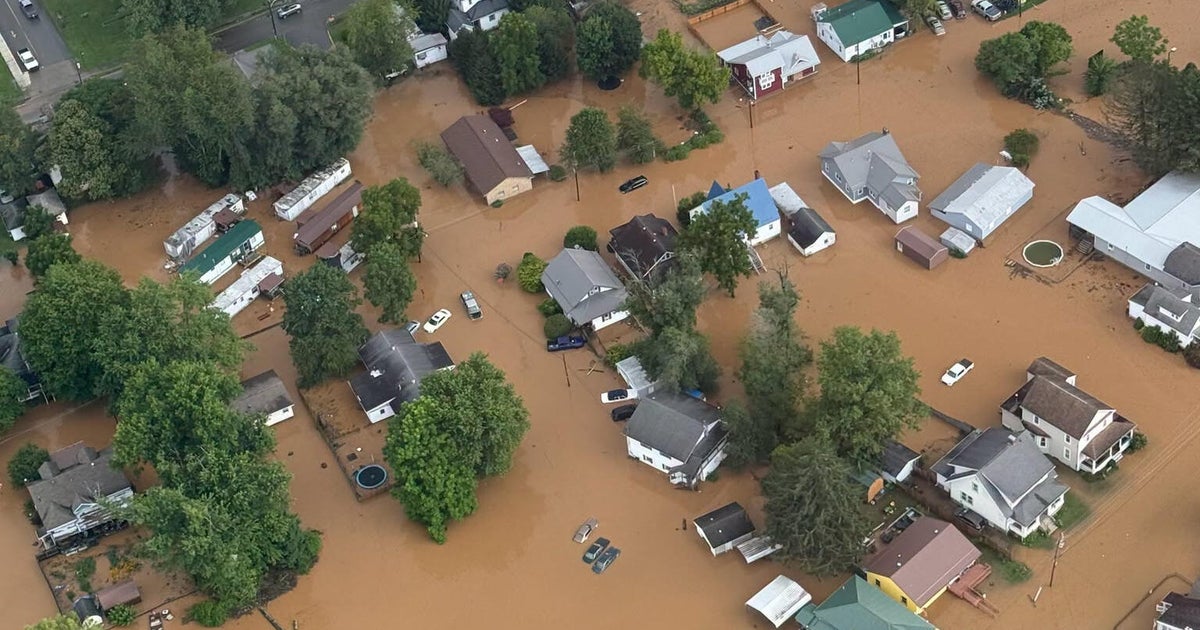
Reported facts: Heavy rains (about seven inches) fell in parts of West Virginia this week, producing flash floods that inundated homes and businesses, and prompting a National Guard deployment. Attributed claims: the CBS News article reports these events as occurring but provides no independent corroboration within the supplied package. Uncertainties: the article does not specify locations within the state, casualty or displacement counts, infrastructure damage extent, timeline of the Guard response, or longer-term recovery needs.
Source and Framing Analysis
The supplied report is brief and factual in tone but contains very limited detail. Material uncertainties that affect interpretation include the geographic scope within West Virginia, the number of people affected, fatalities or injuries (if any), and how long emergency conditions lasted. Because only one primary report is supplied, the story lacks corroborating sources and specific local details that would allow assessment of severity and needed responses.
Biblical Reflection
The article reports a local natural disaster and a mobilized emergency response without editorializing the causes or broader policy implications. Christians are called to notice both the immediate human need—neighbors displaced, property damaged, and communities shaken—and the institutional response intended to protect and assist them.
This kind of reporting invites a posture of truthful awareness and compassionate action. Truth requires acknowledging what is known (heavy rains, flooding, Guard deployment) and what the piece does not tell us (scope of injuries, long-term needs, causes). Christian wisdom urges us to move from informed concern to neighborly care: pray, give, volunteer, and support public efforts that protect vulnerable people.
At the same time, avoid quick conclusions about root causes that the article does not establish. The Bible calls us to care for those suffering now while stewarding creation and advocating for resilient infrastructure. Balance urgency to help with humility about what the reporting actually shows.
Scripture in context
- 1Matthew 25:31–46 (sheep and goats) — A teaching of Jesus about final judgment that identifies care for the hungry, thirsty, stranger, naked, sick, and imprisoned as the basis for commendation or condemnation; historically addressed to a community formed by Jesus' followers to live out mercy and justice in concrete acts. — The passage directs Christians to see practical service to those in urgent need as central to faithful life; responding to flood victims—providing shelter, food, and practical help—reflects that call without turning disaster into mere news sensation.
Faithful Response
Pray for those affected and for clear guidance for responders.
Give through reputable local or denominational disaster-relief channels and faith-based organizations coordinating on the ground.
Offer practical help: check on neighbors, donate needed supplies, host displaced persons when possible, or volunteer with local shelters and cleanup efforts.
Encourage public investment in emergency preparedness and infrastructure that protects vulnerable communities.
Reflection and Discussion
- 1How does the article's minimal detail shape our sense of urgency or calm about the situation?
- 2What assumptions do we bring about causes or responsibility when a short report names only rain and a Guard deployment?
Sources
Reporting links are evidence inputs; Sanctuary News' biblical reflection is commentary.
This outlook currently relies on fewer than two linked sources. Broaden verification before teaching from it.
Download source notes