News Summary
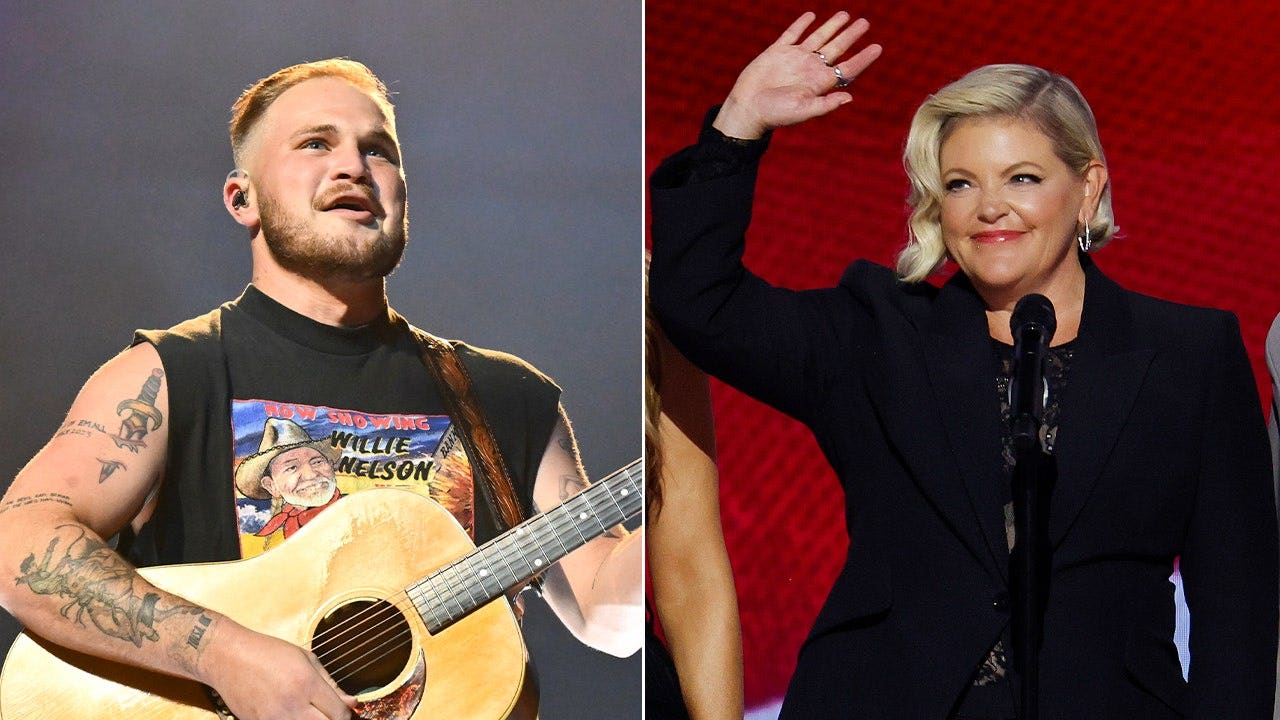
Natalie Maines, lead singer of The Chicks, posted a profanity-laced Instagram message criticizing President Donald Trump and saying “our democracy is disappearing,” prompting both support and backlash. A White House spokesperson called Maines a "despicable nobody" in response. The article recounts Maines' past controversy in 2003 when she criticized President George W. Bush, and notes prior public disputes between Maines and other country figures such as the late Toby Keith. It cites several other recent tensions within country music: Kacey Musgraves and Miranda Lambert moving from a previously strained relationship to collaboration; public disagreements involving Maren Morris, Brittany Aldean, Jason Aldean, and Oliver Anthony over political and cultural themes; and a near-physical confrontation between Gavin Adcock and Zach Bryan at a festival where Bryan climbed a fence and was held back by security. The piece frames these incidents as part of larger, ongoing feuds and debates about politics, authenticity, and culture within the country-music community.
Biblical Reflection
From a Christian perspective, this story highlights how public platforms and celebrity amplify both righteous concerns and sinful responses. Speaking truth to power can be a legitimate moral action when it is rooted in facts and pursued with humility and a desire for justice (Isaiah 1:17; Micah 6:8). At the same time, the tone and tactics described — profanity, personal invective, theatrical confrontations, and retaliatory insults — reflect the biblical warnings about harmful speech, pride, and divisiveness (James 3:5–10; Proverbs 15:1). The article and its framing also reveal wider cultural dynamics: media outlets often emphasize conflict because it drives attention, and partisan identity can turn artistic platforms into battlegrounds where nuance is lost. Christians should therefore be cautious of two errors: (1) uncritically celebrating all speech from figures we like as prophetic truth, and (2) reflexively dismissing all criticism from artists because of political disagreement. Both responses can become forms of idolatry—placing ideology or celebrity above truth and charity. A faithful Christian response is to weigh public claims against facts and Scripture, call out genuine injustice, pursue reconciliation where possible, and speak the truth in love (Ephesians 4:15). The spectacle of feuds also offers a pastoral reminder that cultural influence carries responsibility; words and actions from public figures shape listeners’ hearts and can either build up or tear down. Christians in the public square should model humility, restraint, and a commitment to truth, remembering that our witness is often judged as much by how we speak as by what we say.
Scripture in context
This outlook does not yet include contextual Scripture citations. Do not treat a general biblical theme as an exegetical conclusion.
Faithful Response
No prescribed response is offered. Consider the reflection prompts below in your own church context.
Reflection and Discussion
- 1How does the media’s emphasis on conflict shape our perception of cultural movements—are we seeing the whole story or mainly the most sensational moments?
- 2When celebrities speak about politics, are they offering accountable, fact-based critique or simply performing for an audience? What standards should we apply when discerning their claims?
- 3Are our reactions to public figures governed more by tribal loyalty and emotion than by Scripture’s call to truth, justice, and love?
Sources
Reporting links are evidence inputs; Sanctuary News' biblical reflection is commentary.
This outlook currently relies on fewer than two linked sources. Broaden verification before teaching from it.
- 1.Original reportprimary