News Summary
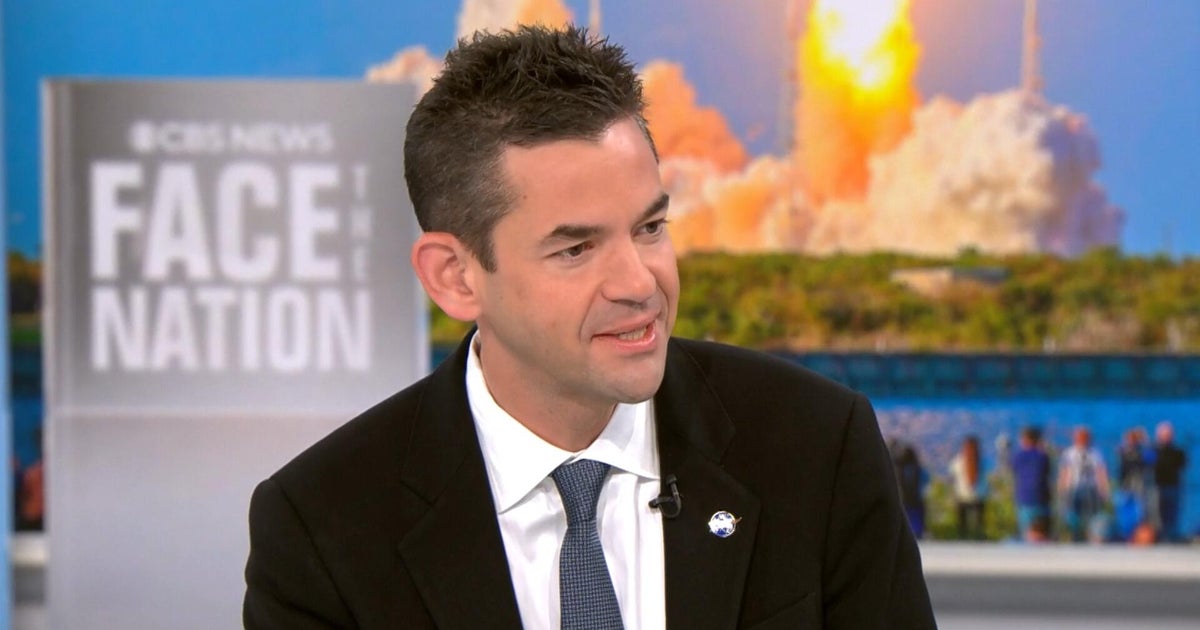
NASA Administrator Jared Isaacman said the United States is currently in a competitive period with China over returning humans to the moon and establishing a sustained lunar presence. Isaacman said China is proceeding quickly and is capable of landing astronauts on the moon, with Chinese planners thinking in 2029 and the U.S. targeting a landing by the end of 2028. He asserted that China will land taikonauts on the moon and posed the question of whether the U.S. will return first and build an enduring lunar base. Isaacman described upcoming steps in the Artemis program: Artemis III will test lunar landing systems and involve multiple heavy rockets working together in orbit, with Artemis IV in 2028 aiming for a landing, and a nearly monthly launch cadence in 2027 intended to begin building lunar base infrastructure. He predicted that base construction could begin next year and that by the early 2030s the lunar surface could host long-duration crews similar to the International Space Station. The article reports these statements and summarizes NASA's planned mission sequence and timelines.
Biblical Reflection
The article frames lunar activity as a geopolitical competition. Factually, both the U.S. and China have public plans for crewed lunar missions and for building longer-term infrastructure; projecting leadership in space carries strategic and symbolic importance. The 'space race' language echoes Cold War rivalry and can amplify nationalistic motivations, which risks prioritizing prestige over cooperative science and the peaceful stewardship of space. Christians can welcome technological and scientific advancement as a way to understand and care for creation, while remaining wary of rhetoric that turns discovery into a zero-sum contest. Truth demands careful scrutiny of timelines and claims — ambitious schedules often shift — and mercy and neighbor-love call the church to pray for safety, pursue cooperation where possible, and oppose militarization or exploitation of shared environments. Christians should encourage transparency, international collaboration in science, and investment decisions that serve human flourishing rather than only national pride.
Scripture in context
This outlook does not yet include contextual Scripture citations. Do not treat a general biblical theme as an exegetical conclusion.
Faithful Response
No prescribed response is offered. Consider the reflection prompts below in your own church context.
Reflection and Discussion
- 1Does labeling lunar efforts a 'race' help or hinder scientific cooperation and the responsible use of space?
- 2Whose needs and welfare are prioritized when nations invest heavily in prestige-driven space programs?
- 3How should Christian stewardship shape our response to advances that could benefit humanity but also increase strategic rivalry?
Sources
Reporting links are evidence inputs; Sanctuary News' biblical reflection is commentary.
This outlook currently relies on fewer than two linked sources. Broaden verification before teaching from it.
- 1.Original reportprimary