News Summary
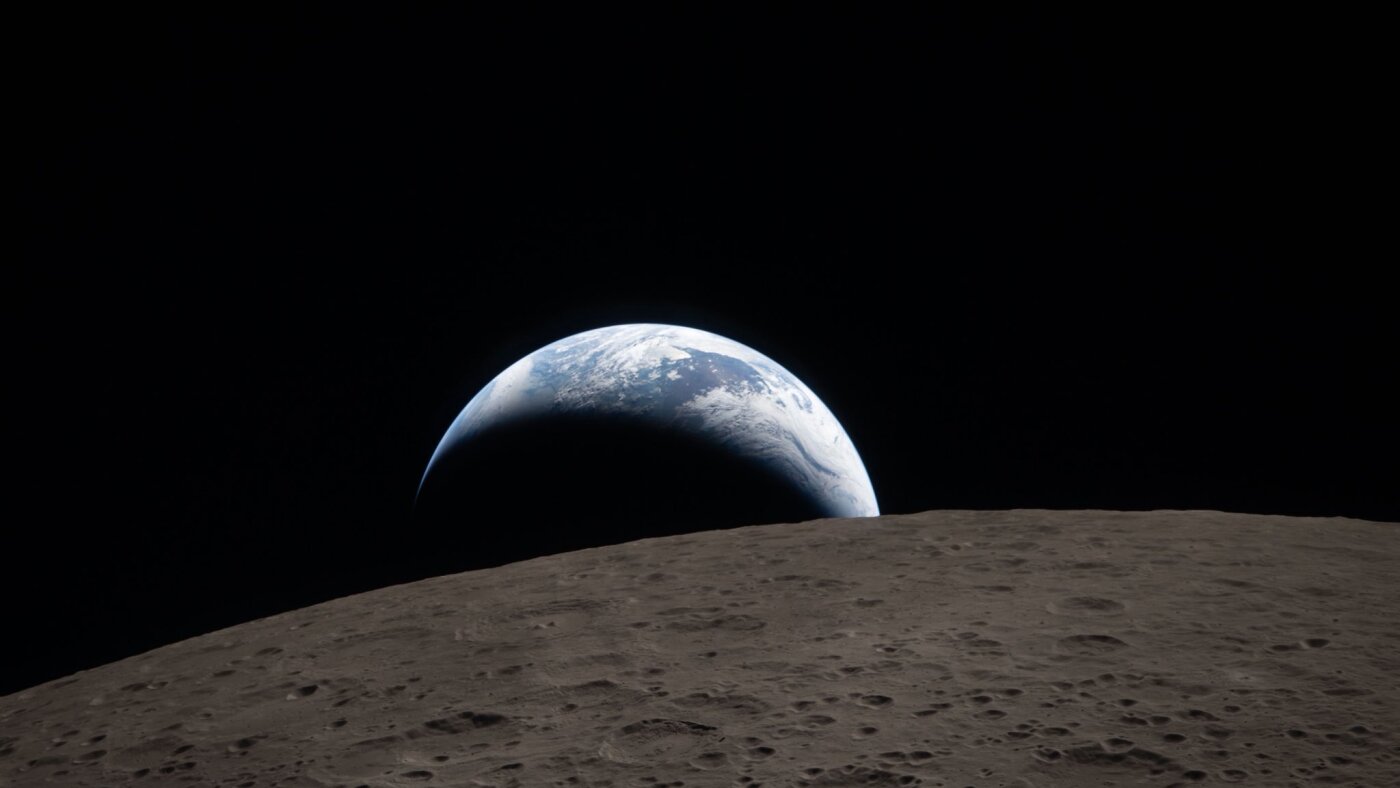
NASA released the first photos taken by the Artemis II crew during their lunar flyby. The four-person Orion spacecraft mission looped around the far side of the Moon — the first crewed passage around the lunar farside in more than 50 years — and captured thousands of images and direct geological observations of the lunar surface between April 2 and April 6. The released images include Earthset views through an Orion window, close views of the lunar terminator highlighting craters and basins (named features such as Ohm crater and Orientale basin are visible), interior shots of the crew in the capsule, and photos of a total solar eclipse as seen from deep space that produced about 54 minutes of totality from the crew's vantage point. The crew is scheduled to return to Earth with a splashdown off the coast of California; NASA said a crewed lunar landing is not planned until at least 2028.
Biblical Reflection
A Christian reading can celebrate this mission as an expression of human creativity, curiosity and technical skill — capacities that reflect the image of God in humanity (imago Dei) and our calling to explore and understand creation. The images themselves invite wonder at God's handiwork (the Earth and Moon) and at human ingenuity. At the same time, media coverage that focuses primarily on striking visuals and headline-making firsts can obscure other relevant realities: mission costs, opportunity costs, timeline limitations, and ethical questions about priorities and stewardship. Christians should avoid two extremes: idolizing technological achievement as ultimate good, and dismissing scientific exploration out of suspicion. Scripture commends humility before God and wise stewardship of resources (e.g., caring for creation and neighbor). Evaluate the story both for its genuine contributions to knowledge and for what it omits, holding scientific progress in tension with spiritual and moral priorities.
Scripture in context
This outlook does not yet include contextual Scripture citations. Do not treat a general biblical theme as an exegetical conclusion.
Faithful Response
No prescribed response is offered. Consider the reflection prompts below in your own church context.
Reflection and Discussion
- 1How does the article frame the mission: as scientific advancement, national prestige, human adventure, or entertainment — and what important details (costs, risks, long-term goals) are muted or missing?
- 2In what ways does celebrating human exploration honor God’s creativity rightly, and where might it become a substitute for the worship and trust due to God alone?
- 3Does the piece prompt careful thought about stewardship — of public resources, of scientific knowledge, and of creation — or mainly provoke wonder without follow-up reflection?
Sources
Reporting links are evidence inputs; Sanctuary News' biblical reflection is commentary.
This outlook currently relies on fewer than two linked sources. Broaden verification before teaching from it.
- 1.Original reportprimary