News Summary
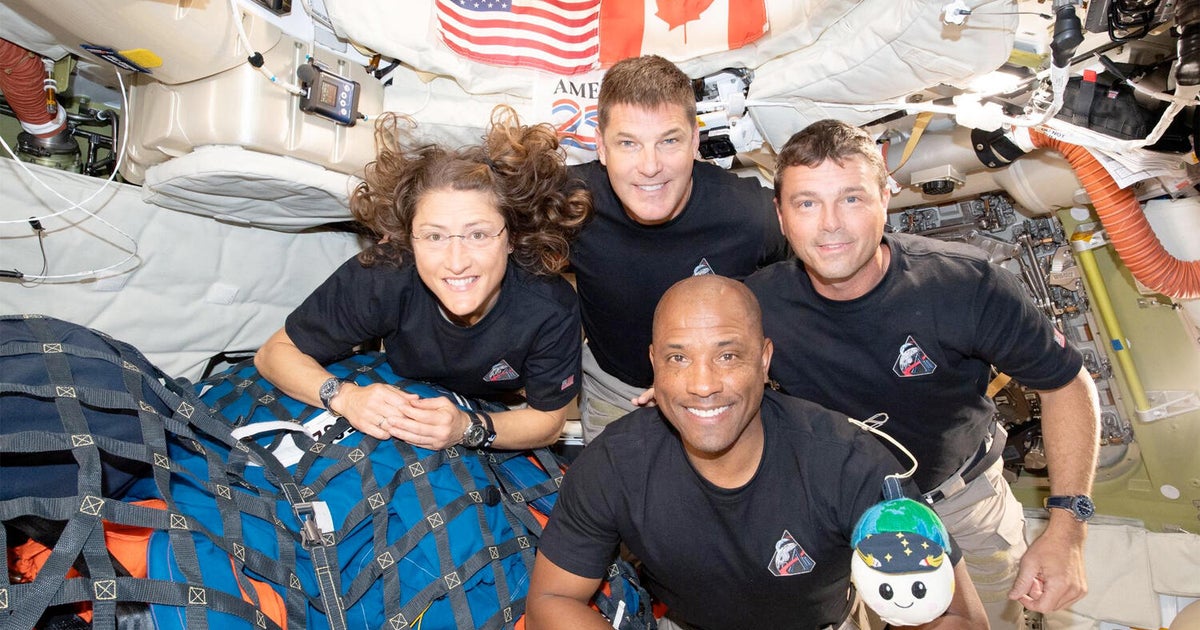
Artemis II, NASA's four-person crewed lunar flyby mission, is preparing for reentry and an expected splashdown off the southern California coast near San Diego at 8:07 p.m. EDT Friday. During a space-to-ground news conference, commander Reid Wiseman described an emotional moment when crewmates Victor Glover, Christina Koch and Canadian astronaut Jeremy Hansen radioed mission control to name a previously unnamed lunar crater for Wiseman's late wife, Carroll. The crew reported other notable experiences including viewing a solar eclipse from the Orion capsule and seeing Earth set behind the Moon, leaving the crew temporarily out of contact for about 40 minutes. Flight controllers canceled a planned multi-crew manual piloting test to troubleshoot a higher-than-expected pressure in one liquid-oxygen manifold in the service module; the isolated manifold is not required for return, but managers want to understand the anomaly for future flights. Navy recovery forces are en route to the splashdown site. Back at Johnson Space Center, scientists are reviewing thousands of photos and recordings from daylight passes over portions of the lunar far side—areas not previously seen directly by humans in daylight—providing new geological observations. The mission has proceeded largely on schedule, with only a small number of technical and habitability issues reported (including a malfunctioning overboard liquid-waste dump).
Biblical Reflection
This article highlights both human achievement and human vulnerability. The mission showcases teamwork, international cooperation, and technological competence—worthy of appreciation—but the crew's deeply emotional moment naming a crater reminds readers that even high-technology endeavors are measured in human relationships, loss, and compassion. The reporting balances scientific accomplishment (new daylight observations of the lunar far side, system tests) with human-interest elements (personal grief, wonder at cosmic sights). From a Christian perspective, the story invites gratitude for human creativity and curiosity as gifts, while also calling for humility: technological success does not remove our dependence on God or erase human frailty. The piece leans into awe and emotional narrative, which can be strengthening (drawing people to wonder and community) but can also obscure longer-term ethical and stewardship questions (e.g., how scientific priorities serve the common good, and how we name and claim parts of creation). Overall the article is fact-focused and not sensationalistic; the main bias is an emphasis on inspirational human stories and visual wonder rather than deep technical or policy analysis. Christians can celebrate the mission's contribution to knowledge and human solidarity, give thanks for compassion shown among crewmates, and resist any impulse to idolize technology as the source of ultimate meaning.
Scripture in context
This outlook does not yet include contextual Scripture citations. Do not treat a general biblical theme as an exegetical conclusion.
Faithful Response
No prescribed response is offered. Consider the reflection prompts below in your own church context.
Reflection and Discussion
- 1Does the article direct your wonder toward God as Creator or primarily toward human achievement—and how does that shape your response?
- 2What narratives are being emphasized (personal heroism, scientific progress, national prestige), and what practical or ethical questions might those narratives be leaving out?
- 3How does seeing human compassion (crewmates naming a crater for a fallen spouse) alongside technological triumph recalibrate our view of progress and honor?
Sources
Reporting links are evidence inputs; Sanctuary News' biblical reflection is commentary.
This outlook currently relies on fewer than two linked sources. Broaden verification before teaching from it.
- 1.Original reportprimary