News Summary
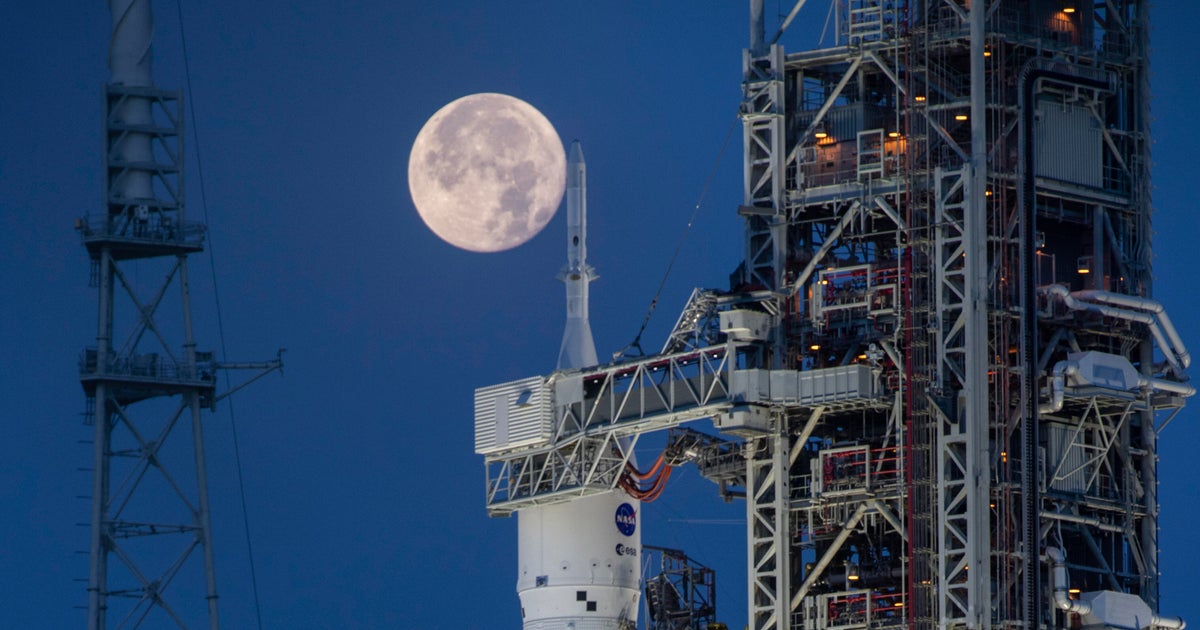
NASA announced it is introducing the four astronauts chosen for the next Artemis mission (Artemis III) at the Johnson Space Center; the crew will enter mission-specific training that may last a year or more. Artemis III is planned to launch next year into Earth orbit to practice rendezvous and docking with commercial moon landers being developed by SpaceX and Blue Origin, a critical verification step before attempting a crewed lunar landing in 2028. The mission will fly in an Orion capsule atop the Space Launch System and is intended as an orbital test of lunar landing operations similar to Apollo-era test flights. Artemis II, a lunar flyby completed in April, demonstrated part of the program. NASA currently plans Artemis III as the only planned crewed test flight before a landing attempt; however, the readiness of the required commercial landers and rockets is uncertain. Blue Origin suffered a May 28 pad explosion that damaged its New Glenn rocket and Cape Canaveral pad, delaying its schedules; SpaceX’s Super Heavy–Starship lander development also faces unresolved testing and timing questions. NASA says Artemis III may proceed if one lander is available and could adopt alternate mission plans if neither lander is ready. The broader Artemis program aims for a sustained lunar presence near the south pole beginning around 2029–2030, including robotic missions, lunar satellites, and construction of habitats, but faces schedule risks tied to vehicle and lander readiness and possible additional test flights. The article also frames part of NASA’s motivation as competing with China’s moon ambitions.
Biblical Reflection
The story reports a concrete step in human spaceflight—selecting the Artemis III crew—and highlights both the hopeful aims of scientific discovery and the practical uncertainties of complex technology. From a Christian perspective, human curiosity and the desire to explore can reflect stewardship and the pursuit of knowledge God has placed in creation, but the article’s emphasis on a “space race” and national leadership signals competitive, nationalistic motives that can distort priorities. The coverage is factual about technical risks (rocket and lander readiness, recent Blue Origin accident) but leans into program optimism; it may understate how likely further delays or added tests are. Christians should commend the courage, cooperation between public and private partners, and the pursuit of knowledge that can benefit many, while also asking whether nationalist rhetoric, commercial pressures, or promises of ambitious timelines are shaping decisions more than sober risk assessment and wise stewardship of public resources. The situation calls for humility about human limits, compassion for workers and communities affected by accidents, and a desire that scientific advances serve the common good rather than prestige alone.
Scripture in context
This outlook does not yet include contextual Scripture citations. Do not treat a general biblical theme as an exegetical conclusion.
Faithful Response
No prescribed response is offered. Consider the reflection prompts below in your own church context.
Reflection and Discussion
- 1How does framing lunar missions as a competition for leadership affect the way resources, risk, and cooperation are prioritized?
- 2Are commercial and national ambitions shaping timelines and messaging more than technical readiness and safety?
- 3What responsibilities do we have to ensure scientific progress also serves human needs and stewardship on Earth?
Sources
Reporting links are evidence inputs; Sanctuary News' biblical reflection is commentary.
This outlook currently relies on fewer than two linked sources. Broaden verification before teaching from it.
- 1.Original reportprimary