News Summary
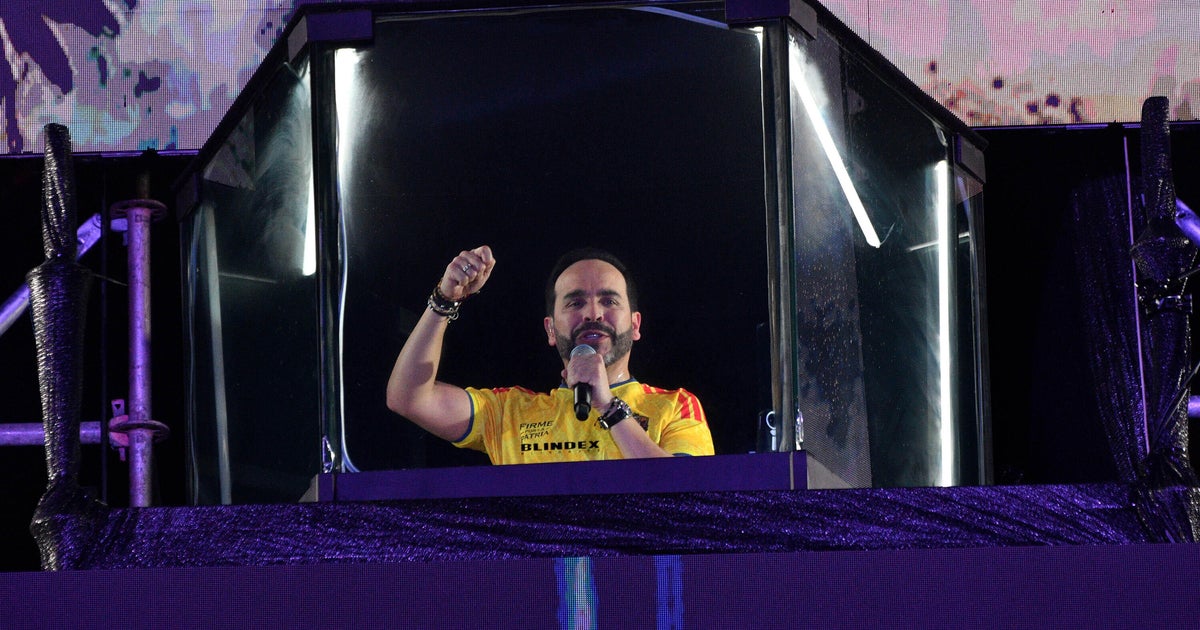
In Colombia's presidential runoff, Abelardo de la Espriella won narrowly with 49.66% versus Iván Cepeda's 48.70%, a margin of roughly 247,000 votes out of more than 26 million ballots cast (63% turnout). De la Espriella, a 47-year-old lawyer without prior public office and publicly supported by former U.S. President Donald Trump, proclaimed victory and promised an "iron fist" approach to guerrillas, including ending peace talks and launching a 90-day campaign of U.S.-backed airstrikes against dissident groups. His win drew congratulations from U.S. officials and right‑wing leaders, including U.S. Secretary of State Marco Rubio. Cepeda has not conceded and said final checks must be completed; while mathematically possible, overturning the result would require hundreds of thousands of votes. The announcement prompted large demonstrations in multiple cities, including violent clashes in Cali and Bogota where protesters burned flags and tires, hurled projectiles, and police used tear gas. The campaign had seen guerrilla bomb attacks and the murder of a conservative candidate. Observers note the result returns Colombia to right‑wing governance and poses potential tests to the decade‑old peace process amid ongoing cartel activity, dissident armed groups, high cocaine exports, and stark economic inequality.
Biblical Reflection
The article reports a contested, close election that surfaces real pastoral concerns: the potential dismantling of negotiated peace, rhetoric that prizes force over reconciliation, and palpable social fracture evidenced by street unrest. The reporting foregrounds political alignment (including U.S. endorsements) and security promises, which may reflect a worldview that equates order with strength and sees military solutions as primary. Christians should weigh both the legitimate desire for public safety and the biblical call to protect the vulnerable, seek justice, and pursue peace. Scrapping dialogue with armed groups and escalating strikes risks civilian harm and undermines long-term reconciliation; political victories celebrated with exclusionary or triumphalist language deepen divisions. The piece is mostly factual but uses framing words (e.g., "flamboyant," "hard right," "iron fist") that emphasize polarization—readers should separate reported facts (vote totals, policy promises, protests) from descriptive emphasis that shapes emotional response. Pastoral discernment calls for careful attention to who will bear the cost of security policies, vigilance against dehumanizing opponents, and insistence that leaders be judged by whether their actions secure justice, mercy, and human flourishing for all citizens.
Scripture in context
This outlook does not yet include contextual Scripture citations. Do not treat a general biblical theme as an exegetical conclusion.
Faithful Response
No prescribed response is offered. Consider the reflection prompts below in your own church context.
Reflection and Discussion
- 1Does the emphasis on "iron fist" security address root causes of violence and inequality, or primarily offer short‑term order at potential long‑term cost?
- 2Whose safety and dignity are most at risk if peace negotiations are halted and military action is prioritized?
- 3How does foreign political endorsement shape public perception and national sovereignty in this election's aftermath?
Sources
Reporting links are evidence inputs; Sanctuary News' biblical reflection is commentary.
This outlook currently relies on fewer than two linked sources. Broaden verification before teaching from it.
- 1.Original reportprimary