News Summary
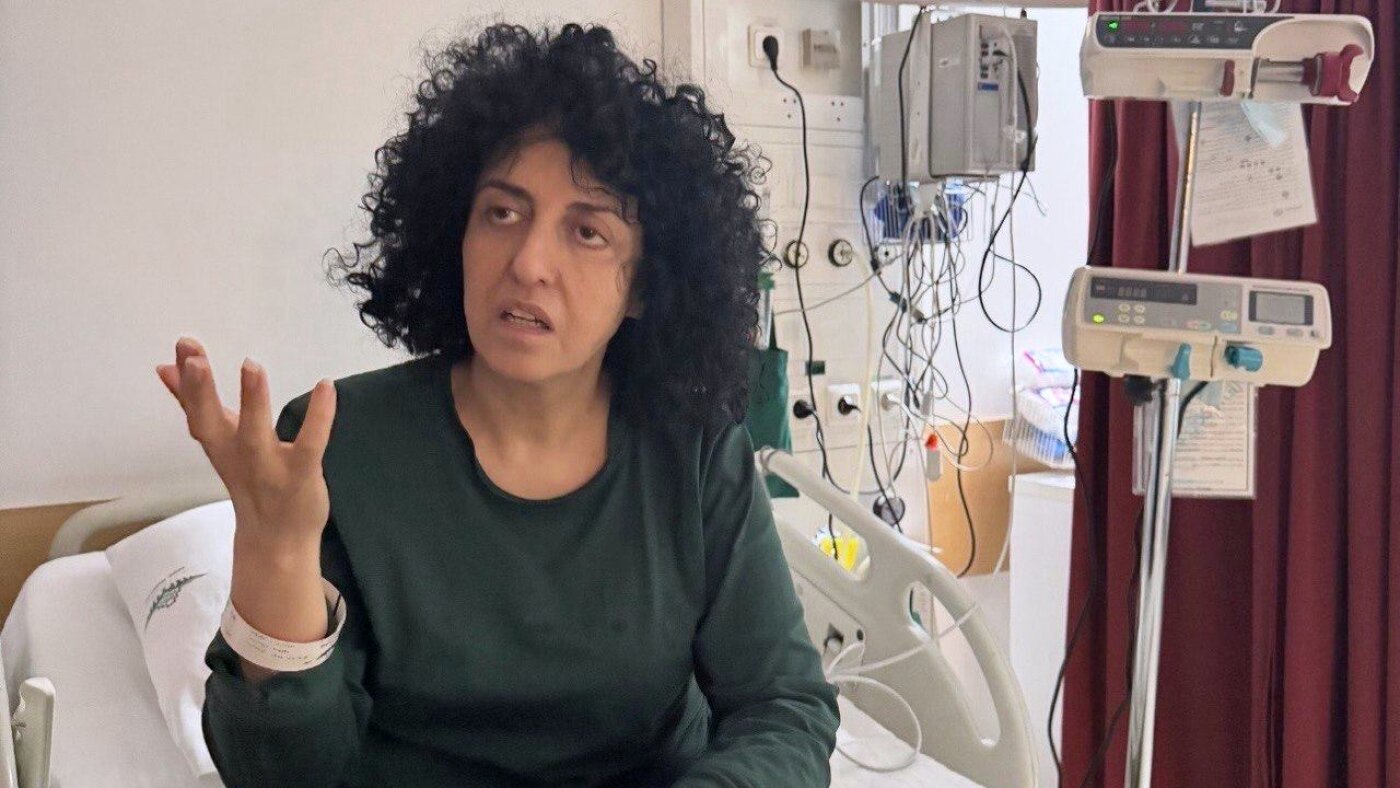
Narges Mohammadi, a 53-year-old Iranian human-rights and women's-rights activist and 2023 Nobel Peace Prize laureate, was transferred to a hospital in Tehran more than a week after collapsing in Zanjan prison. Her foundation said she had been granted a suspension of her prison sentence on bail; the foundation did not specify the suspension's duration and called for her unconditional release and dismissal of charges, saying she needs permanent, specialized care and must not return to prison to face the roughly 18 years remaining on her sentence. Mohammadi had been imprisoned since December after an arrest in Mashhad. She lost consciousness twice and was first taken to a local hospital on May 1. Her family and lawyer say her health deteriorated in custody—she reportedly suffered a heart attack in March, has a preexisting pulmonary blood clot requiring blood thinners, was beaten during her arrest according to family claims, and experienced wide blood-pressure swings and oxygen dependence while at Zanjan's cardiac care unit. Mohammadi's Iran-based lawyer said the Legal Medicine Organization recommended transfer for continued treatment under her own medical team; there was no immediate comment from Iranian authorities. Her brother said earlier Tehran-transfer recommendations were previously blocked and blamed Iran's intelligence agency. The Nobel committee and other advocates had called for her transfer to specialized care, warning that her life is at risk.
Biblical Reflection
The article reports medical and legal developments from Mohammadi's supporters, lawyer, and the Nobel committee and notes the absence of an immediate response from Iranian authorities. From a Christian perspective, several truths stand out: human beings are made in God's image and deserve medical care, mercy, and justice (Genesis 1:27; Matthew 25:36). The reporting aligns with this moral concern by highlighting urgent health needs and credible calls for transfer to specialized care. At the same time, readers should note the article's primary voices are Mohammadi's foundation, family, and international advocates—sources invested in her welfare and freedom—while the state perspective is not presented beyond procedural references to the Legal Medicine Organization and no official government comment. That does not invalidate the claims, but it requires careful discernment: distinguish documented medical facts (hospital transfers, medical examiner recommendations) from contested allegations (who blocked transfers, beatings during arrest) and be cautious about assuming motive without corroboration. Spiritually, Christians should respond with compassion and a pursuit of truth: pray for the sick, seek reliable facts, defend the vulnerable, and call for fair legal processes. At the same time, avoid turning the story into partisan fodder or accepting unverified accusations; loving justice means both advocating for the oppressed and insisting upon careful, honest witness. Finally, the piece reflects a broader worldview that prioritizes individual rights and accountability for state power—values compatible with biblical concerns for the oppressed—while the state's likely counter-narrative (security, public order) points to the real moral tension between authority and conscience that Scripture addresses (e.g., when human laws conflict with God's law). Christians should hold to mercy, truth, and the dignity of every human person while seeking reliable information before forming definitive public judgments.
Scripture in context
This outlook does not yet include contextual Scripture citations. Do not treat a general biblical theme as an exegetical conclusion.
Faithful Response
No prescribed response is offered. Consider the reflection prompts below in your own church context.
Reflection and Discussion
- 1Which voices are present in this report and whose perspective is missing or underrepresented—how does that shape the story we receive?
- 2How can Christians hold together convictions about the rule of law and the obligation to oppose unjust punishment or denial of medical care?
- 3Are we quick to accept allegations that confirm our sympathies, and how can we practice patient discernment while still advocating for urgent care and justice?
Sources
Reporting links are evidence inputs; Sanctuary News' biblical reflection is commentary.
This outlook currently relies on fewer than two linked sources. Broaden verification before teaching from it.
- 1.Original reportprimary