News Summary
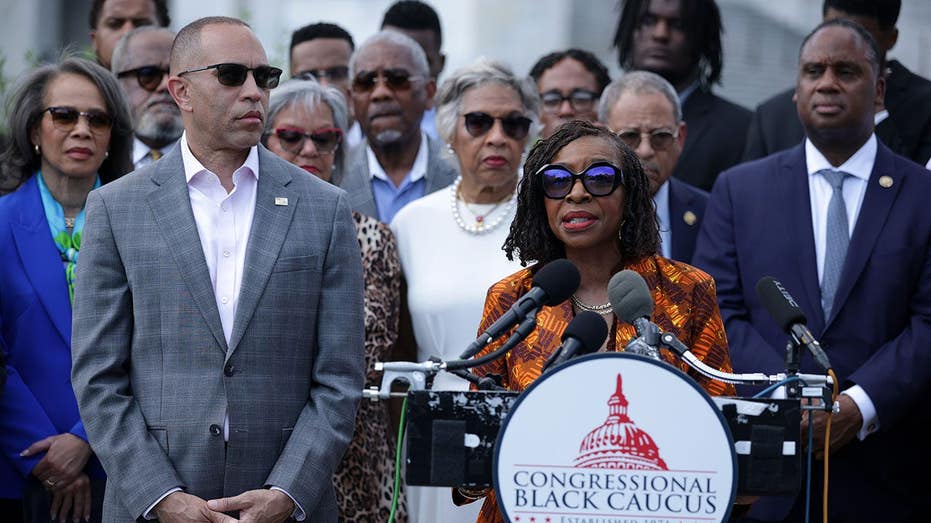
Reported facts: Rep. Nancy Mace introduced a resolution intended to bar race-based House caucuses; the article states this would effectively force the Congressional Black Caucus and similar caucuses to dissolve. Attributed claims: the article quotes or paraphrases Mace calling race-based caucuses 'federally sanctioned segregation.' Uncertainty: the article does not provide the actual text of the resolution, legal or constitutional analysis, votes or procedural calendar information, or responses from the Congressional Black Caucus or other members.
Source and Framing Analysis
The single supplied source is a Fox News report that summarizes the proposed resolution and includes a charged quote in its headline. The report names the sponsor and the intended effect but omits primary evidence (the resolution text), procedural context (how House rules would be changed and enforced), reactions from the affected caucuses, and analysis about potential legal or First Amendment implications. Those omissions materially affect assessment of the claim that the resolution would 'force dissolution' and of its broader legal and political consequences.
Biblical Reflection
This story raises questions about how institutions represent and protect minority voices within political structures. Christians should be cautious about framing such measures solely in partisan terms and instead attend to how policy changes affect the dignity, voice, and ability to pursue justice for vulnerable communities.
The biblical witness repeatedly calls God's people to defend the marginalized and to seek justice (prophetic calls against oppression) while also urging humility and love in public discourse. When a law or rule change threatens a group's ability to organize around shared experiences and needs, the ethical question is whether the change advances genuine equality or instead silences necessary advocacy. Christians should weigh claims about 'equality' that are used to erase particular protections against the lived realities of those who have been historically excluded from power.
Practically, the article lacks key evidence that would allow a fair judgement about motives and effects. We should resist quick moral certainty: demand transparency (the resolution text and legal analysis), listen first to those who would be affected, and pursue a posture that seeks truth, mercy, and the common good in evaluating any proposed rule change.
Scripture in context
- 1Galatians 3:28 — Paul argues that in Christ traditional ethnic, social, and gender divisions do not determine a person's standing before God; this is part of a theological argument about unity and the new identity of believers. — This passage challenges Christians to seek unity that transcends divisions, but it does not erase the biblical concern for justice or the responsibility to hear and respond to the particular needs of different communities.
- 2James 2:1-9 — James warns against showing partiality and discriminating based on social status; he frames favoritism as incompatible with the faith community's commitment to justice and mercy. — The passage calls Christians to resist unjust exclusion and to treat all with dignity; it also requires careful thought about whether policies are truly impartial or whether they reproduce injustice under the guise of neutrality.
Faithful Response
Seek the primary documents: read the resolution text and impartial legal analysis before forming a final judgment.
Listen to and amplify the voices of those directly affected—members of the Congressional Black Caucus and the communities they represent.
Engage civically: contact representatives to ask clarifying questions about intent, enforcement, and anticipated impacts on representation.
Practice public charity: speak truthfully and respectfully, resisting dehumanizing rhetoric and centering the common good.
Reflection and Discussion
- 1Does barring race-based caucuses promote neutral equality or remove an avenue for historically marginalized groups to advocate for justice?
- 2Who stands to gain or lose power if groups organized around shared identity are prohibited from formal organizing in Congress?
- 3How should Christians weigh the desire for institutional unity against the need for particular communities to make their concerns heard?
Sources
Reporting links are evidence inputs; Sanctuary News' biblical reflection is commentary.
This outlook currently relies on fewer than two linked sources. Broaden verification before teaching from it.
- 1.GOP firebrand moves to dissolve Congressional Black Caucus: ‘Federally sanctioned segregation’primary_reporting