News Summary
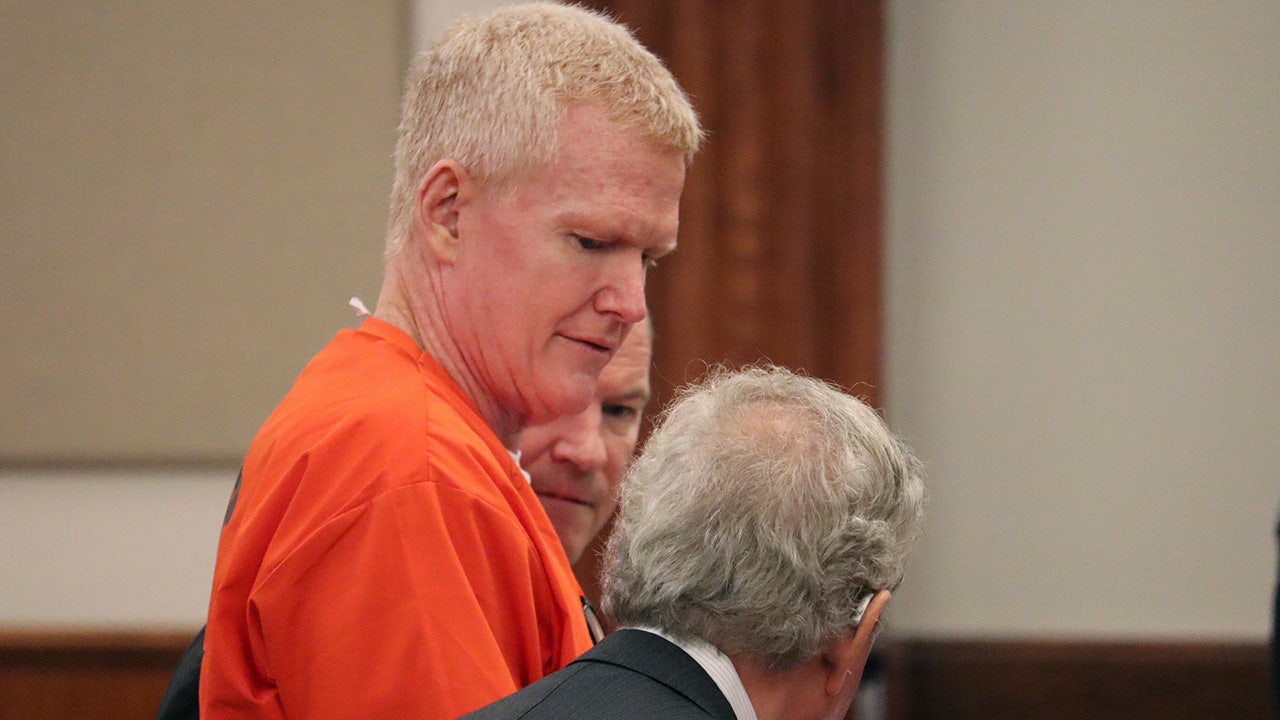
Alex Murdaugh’s defense filed several motions in Colleton County seeking: (1) an independent laboratory review of DNA evidence recovered from underneath Maggie Murdaugh’s left-hand fingernails (SLED Item No. 70), which the South Carolina Law Enforcement Division had reported as belonging to an unknown male and which had not undergone further analysis; (2) permission to transfer the trial out of the 14th Judicial Circuit, arguing pervasive local publicity and potential prejudice tied to the Murdaugh name; and (3) authorization for Murdaugh, currently incarcerated, to review voluminous electronic case materials on an encrypted, internet‑disabled laptop at his expense. The defense also contacted Othram Inc., a forensic genetic genealogy company, which indicated it could perform additional testing but would require time and a rush order. No court rulings on the motions were included in the filings. The filings note Murdaugh’s prior guilty plea to 22 financial crimes and his current incarceration; defense attorney Dick Harpootlian indicated decisions such as whether Murdaugh will testify at retrial depend on how evidence and testimony develop.
Biblical Reflection
From a Christian perspective, the defense requests reflect basic principles of justice: pursuing fuller forensic review and asking for a fair, impartial venue seek to ensure truth is established before final judgment. The push for independent testing highlights how scientific evidence can change the factual picture and why courts must allow reliable methods to be applied. At the same time, media saturation and the Murdaugh family’s local prominence create a high risk of prejudgment; Christians should be cautious of narratives that conflate unrelated crimes or allow public outrage to override due process. The story also raises ethical questions about new forensic methods (like commercial genetic genealogy) — the technology can serve truth, but it brings privacy, speed, and interpretive risks that demand humility and careful oversight. Pastoral response should hold together compassion for victims, a commitment to the rule of law, and a readiness to accept whatever the evidence shows rather than clinging to convenient narratives.
Scripture in context
This outlook does not yet include contextual Scripture citations. Do not treat a general biblical theme as an exegetical conclusion.
Faithful Response
No prescribed response is offered. Consider the reflection prompts below in your own church context.
Reflection and Discussion
- 1How might intense local media coverage and long-standing local ties to a family shape our instincts about guilt before the court decides?
- 2What weight should we give to new forensic techniques when they can materially change a case — and how do we balance that with concerns about privacy and error?
- 3Are we holding to principles of fairness and due process even when the accused is already unpopular or morally compromised in other ways?
Sources
Reporting links are evidence inputs; Sanctuary News' biblical reflection is commentary.
This outlook currently relies on fewer than two linked sources. Broaden verification before teaching from it.
- 1.Original reportprimary