News Summary
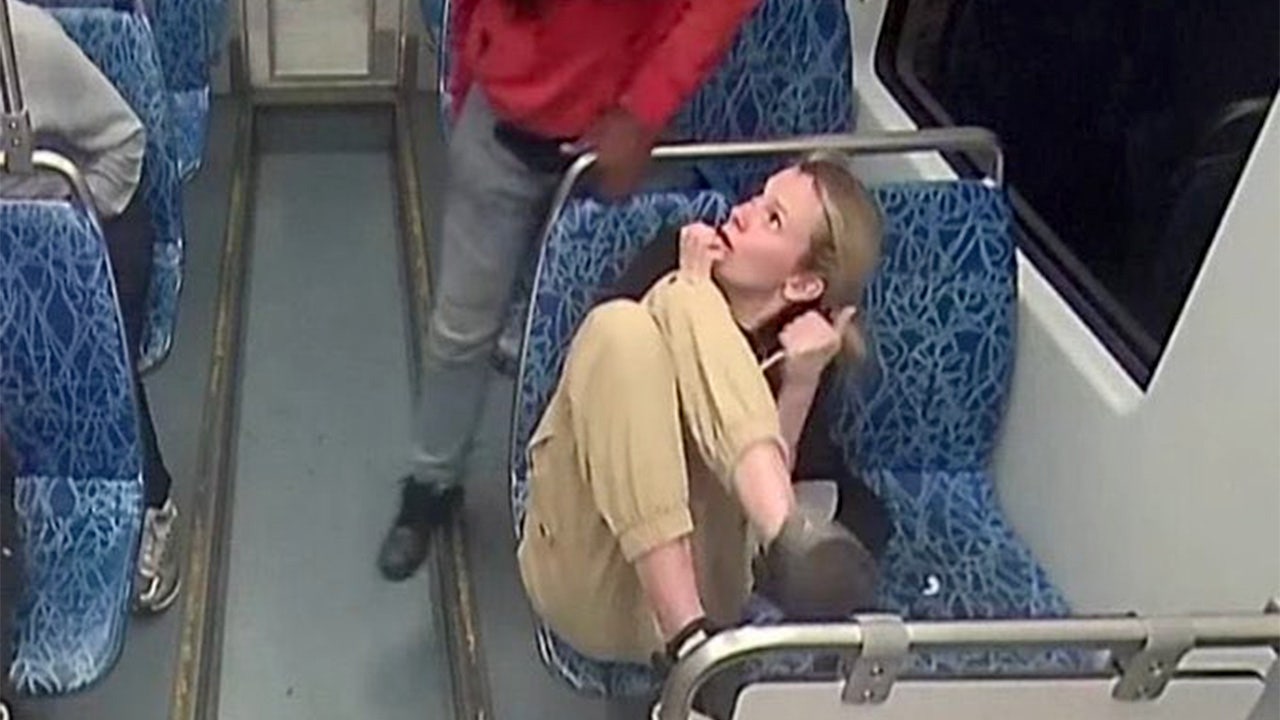
After local opposition and public comments from Providence Mayor Brett Smiley, a planned mural honoring Ukrainian refugee Iryna Zarutska was removed from the exterior wall of The Dark Lady, an LGBT bar in downtown Providence. Artist Ian Gaudreau began painting the mural but the project was paused and then cancelled at that site following criticism described in the article as coming from left-wing activists and the mayor. A Providence restaurant, Opa the Phoenician in Federal Hill, owned by immigrants, agreed to display the mural; co-owner Francois Karam and the artist said the restaurant’s immigrant background motivated their decision to honor Zarutska. The article notes Zarutska was stabbed and killed on Aug. 22, 2025, aboard a Charlotte light-rail train; the suspect, Decarlos Brown Jr., has prior convictions, and is charged in her killing. Mayor Smiley issued a statement calling the intent behind murals like this one “divisive” and “misguided” and encouraged support for local artists whose work he said brings the community together.
Biblical Reflection
This story raises several overlapping concerns Christians should weigh carefully: compassion for a victim and her family, the impulse to memorialize suffering in public art, the civic role of elected officials, and how public pressure can shape cultural expression. Honoring the dignity of a slain person and recognizing immigrant experience are consistent with biblical calls to care for strangers and mourn with those who mourn (e.g., Romans 12:15; Leviticus 19:34). At the same time, Christians should be wary of quick politicization of suffering — when a memorial becomes a proxy in culture wars it can deepen division rather than promote healing.
The article’s framing contains partisan language (for example, labeling opponents as “left-wing activists” and saying a business was “browbeaten”), which signals a slant that may shape readers’ sympathies. The piece largely presents the perspective of proponents of the mural and the restaurant owner, with the mayor’s quoted concern that the murals are “divisive,” but it does not fully explain why others found the image inappropriate or what specific community harms were claimed. That omission makes it harder to evaluate the substance of critics’ concerns beyond the label of opposition.
From a scriptural worldview, Christians should call both for truth and for charity: truth in seeking accurate motives and context, and charity in protecting the dignity of victims and immigrants. The appropriate Christian posture here is neither reflexive censorship nor uncritical amplification; rather it is careful listening, refusal to weaponize grief for partisan ends, and insistence on justice (ensuring the legal case and community safety are addressed) while pursuing peace and reconciliation in the public square. In practical terms, Christians can advocate for memorials that center the victim’s dignity and the community’s healing, push public officials to explain policies transparently, and resist the impulse to let any one cultural faction monopolize public memory.
Scripture in context
This outlook does not yet include contextual Scripture citations. Do not treat a general biblical theme as an exegetical conclusion.
Faithful Response
No prescribed response is offered. Consider the reflection prompts below in your own church context.
Reflection and Discussion
- 1Are calls to remove or relocate this mural primarily motivated by concern for community unity and safety, or by political signaling — and how would you tell the difference from the available reporting?
- 2How should communities honor victims and immigrant stories in ways that promote healing rather than deepen political division?
- 3What responsibilities do public officials and private property owners each bear when public art addresses traumatic events?
Sources
Reporting links are evidence inputs; Sanctuary News' biblical reflection is commentary.
This outlook currently relies on fewer than two linked sources. Broaden verification before teaching from it.
- 1.Original reportprimary