News Summary
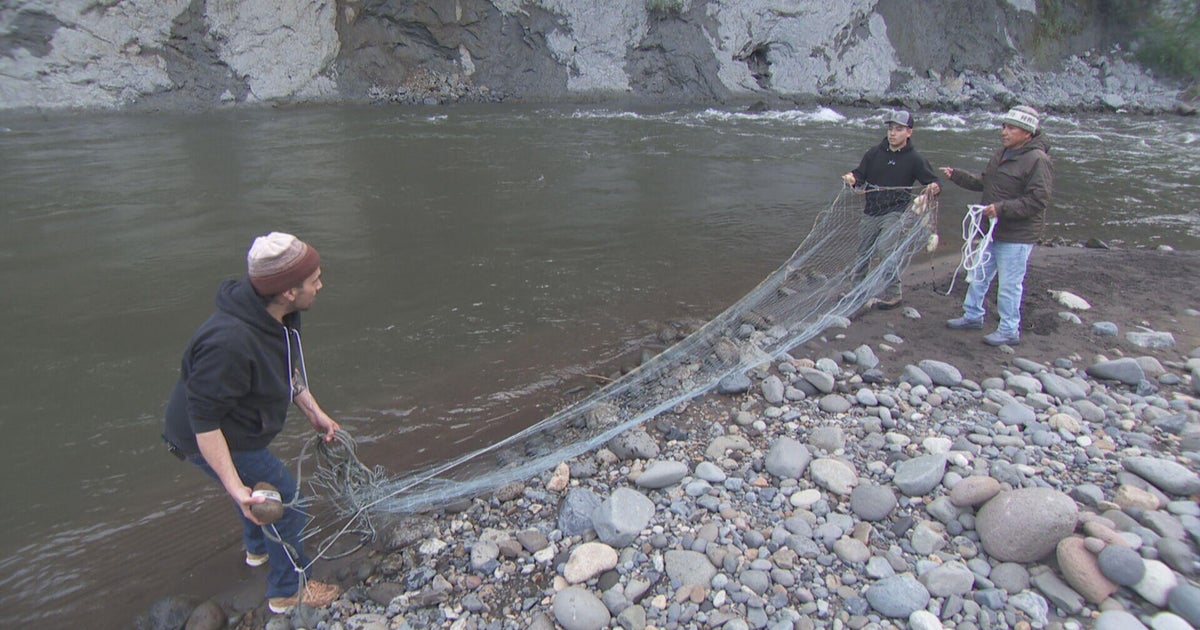
The Muckleshoot tribe, descended from the Duwamish and Upper Puyallup peoples and known as the Salmon People, emphasizes protecting salmon as essential to its culture, spirituality and livelihood. Tribal members continue traditional riverbank fishing and annual ceremonies that honor the first salmon and the relationship between people and fish. The article recounts historical restrictions on Indigenous fishing, including an 1892 citation and the 1960s "Fish Wars," and notes the 1974 Boldt Decision that allocated tribes half of harvestable salmon. Today the tribe's fishers account for roughly 2% of overall wild salmon harvest; the tribe supports about 500 fishers and more than 200 boats. Primary challenges are environmental: ongoing habitat loss (reported by tribe leaders as about 5% per year) and water quality and quantity issues. The Muckleshoot tribe reports decades of investment in habitat protection, restoration and negotiated water settlements, which tribal leaders say helped reverse population declines from the 1990s and sustain both cultural practices and economic fishing opportunities.
Biblical Reflection
This story highlights several Christian concerns: care for God’s creation, respect for neighbors, and the pursuit of justice. The Muckleshoot focus on salmon conservation models stewardship—protecting the habitats and waters that sustain life. Their spiritual framing of salmon as relatives is different from Christian doctrine but reflects an honest, relational stewardship of creation that Christians can respect and learn from. The article centers tribal voices and rightly connects cultural survival to environmental health and legal rights; it does not deeply probe scientific data or broader policy responsibilities, so readers should note that some claims (for example exact percentages of habitat loss or harvest share) are presented from tribal sources without outside corroboration in the piece. Pastoral response calls for humility and solidarity: support for measures that protect ecosystems and uphold treaty obligations aligns with loving one’s neighbor and defending the vulnerable. At the same time, Christians are invited to witness to the gospel with gentleness, affirming human dignity and creation care while acknowledging cultural differences in spiritual language.
Scripture in context
This outlook does not yet include contextual Scripture citations. Do not treat a general biblical theme as an exegetical conclusion.
Faithful Response
No prescribed response is offered. Consider the reflection prompts below in your own church context.
Reflection and Discussion
- 1How does the tribe’s relational language about salmon challenge or expand how you think about stewardship of creation?
- 2In what ways do legal and historical realities (treaties, court rulings, past prohibitions) shape current environmental and cultural outcomes, and how should Christians weigh historical justice when thinking about present policy?
- 3When news centers Indigenous voices about land and life, what assumptions should you set aside to listen and learn well before forming conclusions?
Sources
Reporting links are evidence inputs; Sanctuary News' biblical reflection is commentary.
This outlook currently relies on fewer than two linked sources. Broaden verification before teaching from it.
- 1.Original reportprimary