News Summary
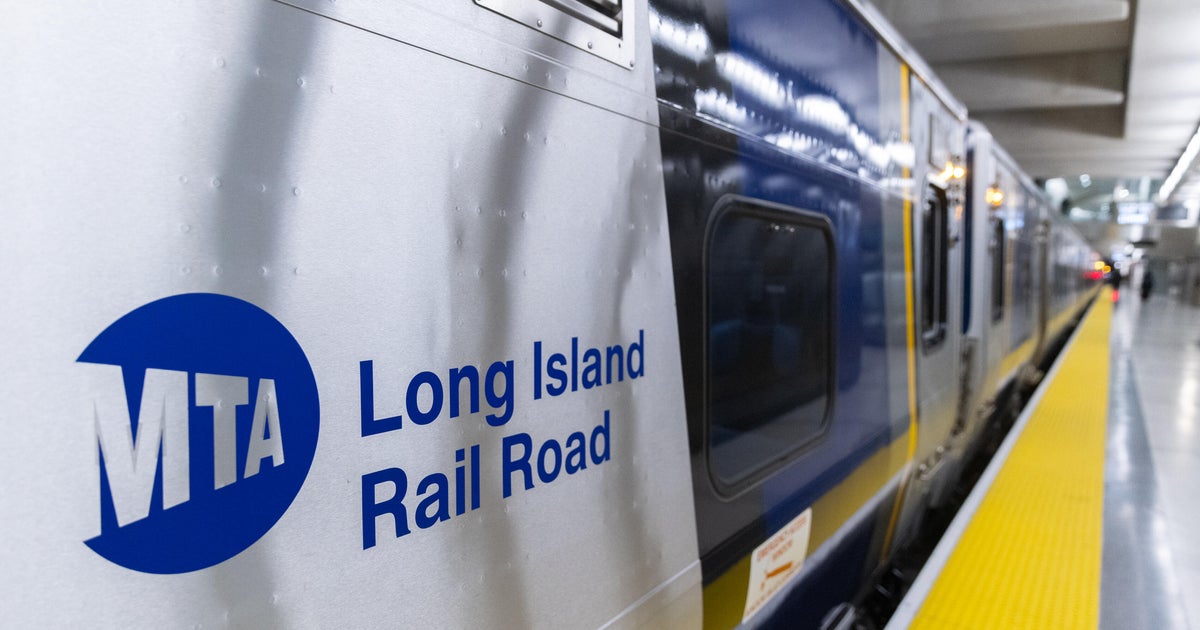
After a three-day work stoppage by roughly 3,500 unionized Long Island Rail Road workers, the MTA and five LIRR unions reached a tentative agreement announced late Monday. The deal was reached following resumed bargaining mediated by the National Mediation Board; full terms were not immediately disclosed. New York Governor Kathy Hochul and MTA officials said the agreement delivers raises without raising taxes or fares. The strike was to officially end at midnight Tuesday, with phased LIRR service resuming at noon and full peak service by the afternoon rush after mandatory inspections and employee recall. Contingency shuttle buses were used during the outage; buses will remain in use Tuesday morning. The agreement must still be ratified by the unions. The report notes this was the first LIRR strike since 1994 and that conductors and maintenance workers had been without a contract for two and a half years. Media and commuter accounts described significant disruption and added travel time for many riders.
Biblical Reflection
From a biblical perspective this story raises familiar tensions between just compensation for workers and the wider public good. Scripture affirms the dignity of labor and fair treatment of workers while also calling leaders to protect the vulnerable and steward public resources. The article largely reports facts but relies on officials' characterizations such as 'fair deal' while withholding contract specifics; that limited transparency invites healthy Christian discernment about truth, power, and public accountability. Christians should resist simplistic siding with only one party; instead we can pray and advocate for outcomes that honor worker justice, protect those dependent on public services, and require honesty from leaders. The negotiators' use of mediation and compromise reflects civic processes for resolving conflict, which can be commended when they seek the common good. At the same time, the disruption of essential services highlights our responsibility as a society to care for the needy and to value covenantal trust between public institutions and the people they serve.
Scripture in context
This outlook does not yet include contextual Scripture citations. Do not treat a general biblical theme as an exegetical conclusion.
Faithful Response
No prescribed response is offered. Consider the reflection prompts below in your own church context.
Reflection and Discussion
- 1Who benefits most from the public language used by officials (for example, calling the deal 'fair') and what information is still needed to assess that claim?
- 2How should Christians weigh the rightful claims of workers for fair pay against harms caused to commuters who rely on public services?
- 3What structures of accountability and transparency should we expect from public authorities and unions to reflect biblical justice?
Sources
Reporting links are evidence inputs; Sanctuary News' biblical reflection is commentary.
This outlook currently relies on fewer than two linked sources. Broaden verification before teaching from it.
- 1.Original reportprimary