News Summary
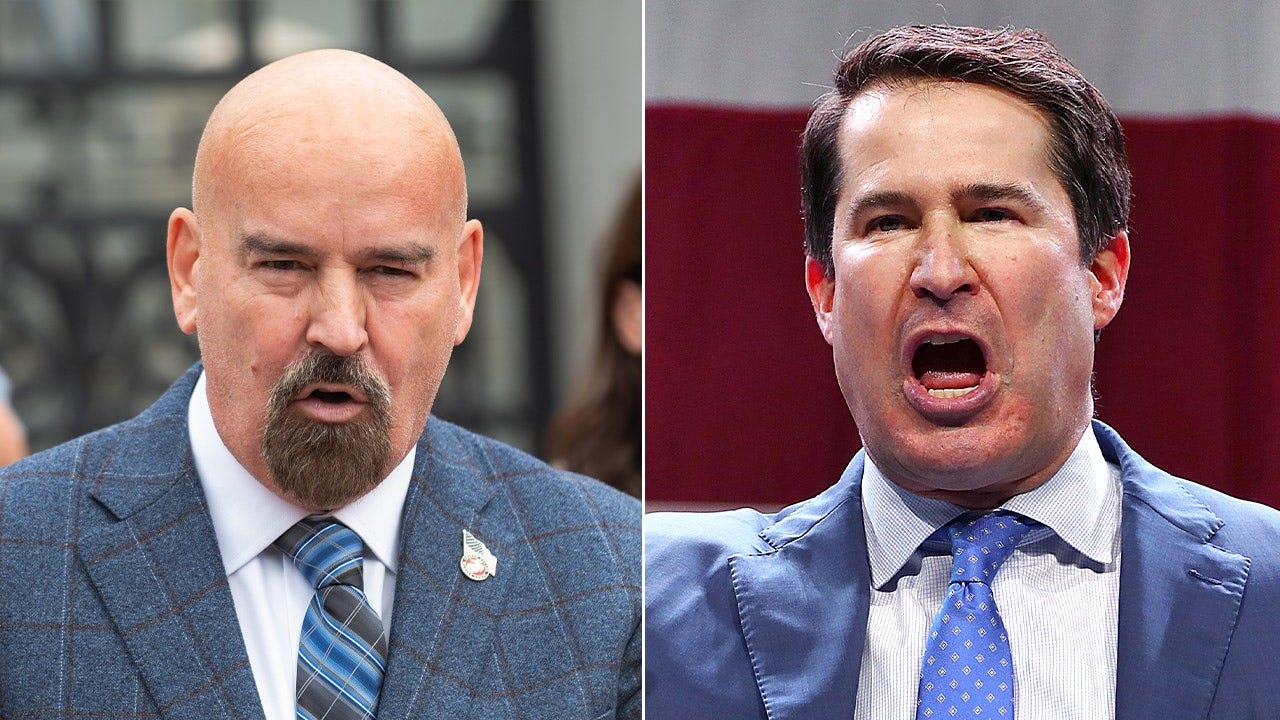
At a Massachusetts debate Tuesday night, Democratic Rep. Seth Moulton and Republican John Deaton exchanged sharp attacks on issues including ties to former President Donald Trump, immigration enforcement, and foreign aid to Israel. Incumbent Sen. Ed Markey did not attend the event and was criticized by Deaton for his absence; Moulton defended Markey’s record while arguing for generational change. Moulton sought to tie Deaton to Trump’s agenda despite Deaton saying he has never voted for Trump; Deaton used strong language to criticize both parties and framed himself as a defender of working Americans. On immigration, Moulton called for prosecuting ICE officials involved in mass deportations under the Trump administration, while Deaton advocated expanding legal immigration and maintaining strict enforcement against illegal crossings and rejected calls to abolish ICE. On foreign aid, Deaton said he would not support additional funding for Israel, Ukraine or other countries unless it clearly served American interests; Moulton supported conditional aid to Israel and said he returned donations from AIPAC. The article notes polling context: Moulton trails Markey in the Democratic primary; Deaton is described as an underdog who previously lost a statewide Senate race.
Biblical Reflection
The article reports a partisan debate in which each candidate used contrast and sharp rhetoric to define the other. Its dominant worldview is electoral competition — highlighting conflict, personality, and strategic messaging rather than deep policy nuance. As Christians called to truth and neighbor-love, we should note three things: first, strong rhetoric and put-downs can obscure real policy effects on people (immigrants, veterans, families dependent on foreign-policy outcomes); second, media accounts that emphasize conflict and memorable lines risk encouraging tribalism and scorched-earth politics rather than sober evaluation of character and common good; third, some issues raised (immigration enforcement, accountability for officials, conditional foreign aid) have moral dimensions that require careful, evidence-based discernment rather than partisan labels. The reporter quotes inflammatory lines and frames the event as "fiery," which may amplify discord; readers should check candidates’ records, specific policy proposals, and likely impacts on vulnerable neighbors. Christians should evaluate candidates on honesty, stewardship of resources, commitment to justice and mercy, and willingness to pursue peace — not merely on whose rhetoric lands best.
Scripture in context
This outlook does not yet include contextual Scripture citations. Do not treat a general biblical theme as an exegetical conclusion.
Faithful Response
No prescribed response is offered. Consider the reflection prompts below in your own church context.
Reflection and Discussion
- 1Does the article prioritize spectacle and sharp soundbites over substantive description of policies and likely outcomes?
- 2Which candidate claims can be verified by voting records and past actions, and which are primarily rhetorical attacks?
- 3How would each candidate’s stated approach to immigration and foreign aid affect vulnerable people and the common good in measurable ways?
Sources
Reporting links are evidence inputs; Sanctuary News' biblical reflection is commentary.
This outlook currently relies on fewer than two linked sources. Broaden verification before teaching from it.
- 1.Original reportprimary