News Summary
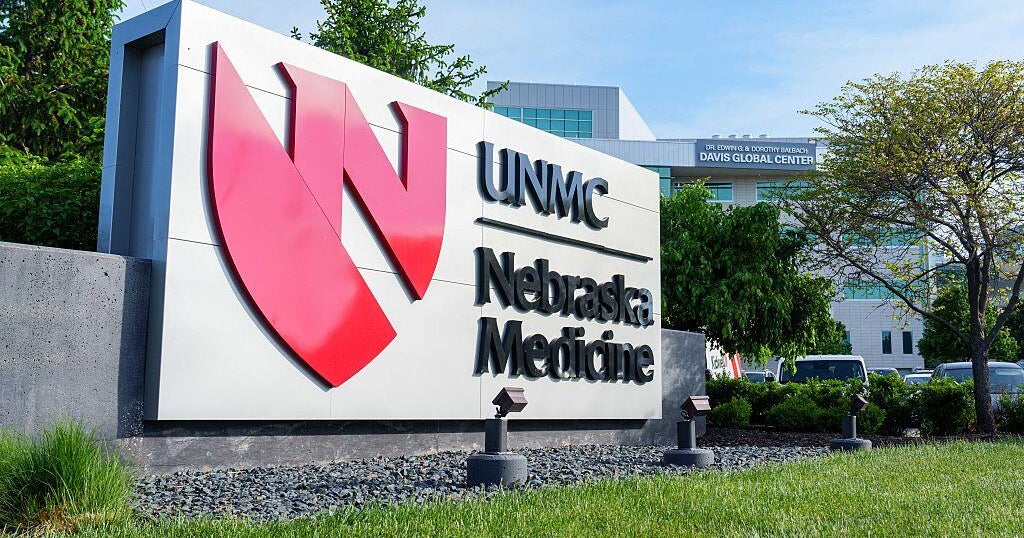
Americans evacuated from a cruise ship affected by a hantavirus outbreak were flown back to the United States and most were taken to the University of Nebraska Medical Center (UNMC) in Omaha. Fifteen people are being monitored in UNMC’s National Quarantine Unit, a federally funded facility with 20 single-occupancy rooms designed for well individuals who need observation. The quarantine rooms have individual negative air pressure systems, filters, private bathrooms, exercise equipment and Wi‑Fi; visitors are restricted to medical staff. If quarantined individuals develop symptoms, they can be transferred to the Nebraska Biocontainment Unit on the same campus, which provides hospital-level care with biocontainment air systems and has capacity that varies by pathogen (typically up to about 10 patients for airborne diseases, and fewer for quickly progressing illnesses like hantavirus). One passenger from the cruise was moved from the quarantine unit to the Nebraska Biocontainment Unit and is reported to be doing well. Two other passengers were taken to Emory University’s biocontainment facility in Atlanta. UNMC officials noted the facility has been used previously for evacuations and treatment during the COVID-19 pandemic and the 2014 Ebola response and emphasized that staff train with federal and state partners to manage infectious threats while protecting patients, staff and the community.
Biblical Reflection
The article is primarily informational and emphasizes institutional preparedness and public‑health safeguards. Its framing reassures readers that specialized, federally supported facilities exist to monitor exposed but asymptomatic people and to treat those who become ill, and it quotes officials to underscore competence and safety. From a Christian perspective, this is encouraging: the use of trained, well‑equipped institutions to care for the vulnerable reflects stewardship of knowledge and resources and a commitment to protecting the broader community. At the same time, the coverage focuses on facilities and logistics rather than on the personal, emotional, or spiritual needs of those affected — a common media tendency that prioritizes technical response over human stories. Christians should neither yield to fear nor neglect caution: the Bible calls us to wise stewardship, to love and care for the sick, and to seek truth rather than panic. Evaluate reassurances about capacity realistically (e.g., limits on biocontainment beds were noted) and watch for narratives that downplay ongoing risks or that suggest technology alone solves communal vulnerability. Pray for patients, caregivers, and public‑health workers; support practical measures that protect public safety while advocating for compassionate attention to those who are unwell or isolated.
Scripture in context
This outlook does not yet include contextual Scripture citations. Do not treat a general biblical theme as an exegetical conclusion.
Faithful Response
No prescribed response is offered. Consider the reflection prompts below in your own church context.
Reflection and Discussion
- 1What assumptions does the article make about where safety and hope are found — in medical institutions, government coordination, or elsewhere — and how does that compare with a Christian understanding of God’s sovereignty and our responsibility to care for others?
- 2Does the factual, facility‑focused reporting risk minimizing the emotional and spiritual needs of patients and families; how should Christians and churches respond to fill that gap?
- 3Are we allowing reassurance about preparedness (specialized units, trained staff) to lull us into complacency about prevention, community support, and prayerful vigilance?
Sources
Reporting links are evidence inputs; Sanctuary News' biblical reflection is commentary.
This outlook currently relies on fewer than two linked sources. Broaden verification before teaching from it.
- 1.Original reportprimary