News Summary
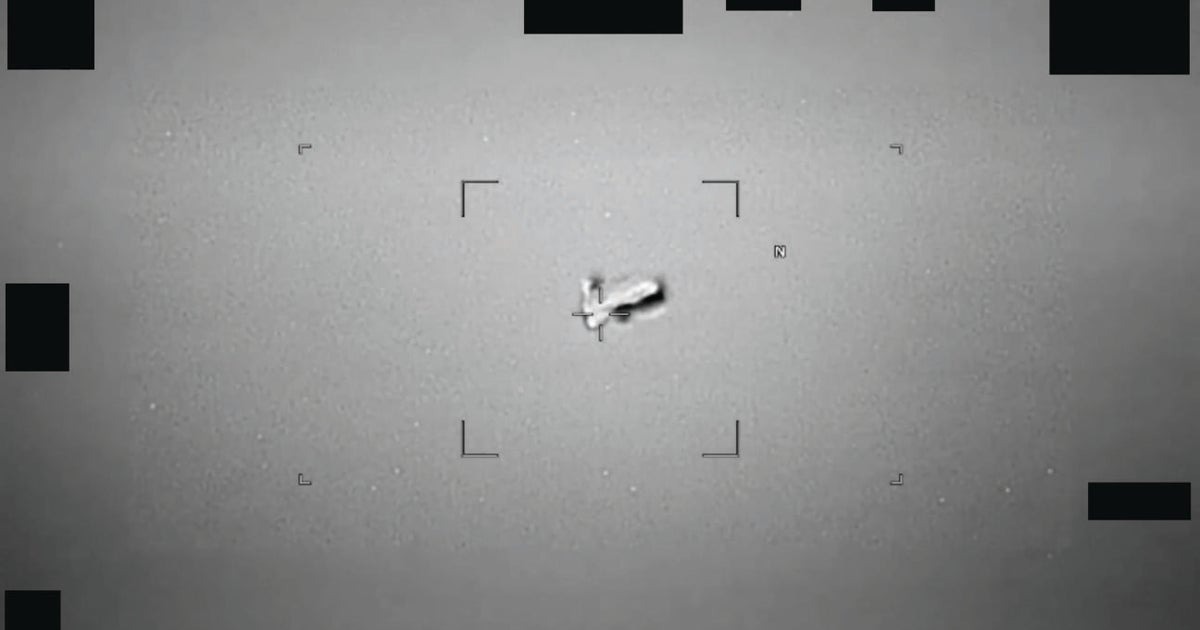
A CBS News/YouGov survey of 2,023 U.S. adults (June 2–4, 2026; ±2.8 points) finds most Americans now believe intelligent life exists on other planets; about 17% report personally seeing something they thought was a UFO and roughly one in five say they believe extraterrestrials have already made contact. Many respondents say they would react with curiosity more than fear if face-to-face encounters occurred, though a plurality would feel nervous. The survey reports that public belief in extraterrestrial intelligence has risen since 2010. Four in 10 Americans watched recently released government videos related to UAPs, and three in 10 say those materials made them more likely to believe aliens have visited (rising to four in 10 among those who watched the videos). A large majority across party lines believes the government knows more about UAPs than it has disclosed.
Biblical Reflection
This story documents a cultural shift in belief and trust rather than presenting new scientific proof of extraterrestrial life. The reporting is survey-based and reflects perceptions shaped by media coverage and government releases. The piece reasonably differentiates between belief, self-reported sightings, and official evidence; it does not claim proof of alien visitation. From a Christian pastoral perspective, the article surfaces two important realities: humans have a deep curiosity about creation and an appetite for mystery, and that curiosity can be amplified by incomplete information and distrust in institutions. Christians should value honest inquiry and civic transparency while resisting fear-driven speculation or conspiratorial certainties. Theologically, the possibility of life elsewhere should expand, not replace, our worship of the Creator and our responsibilities toward one another. Practically, Christians can model humble discernment — valuing evidence, asking good questions, and treating fellow believers and skeptics with patience and charity rather than derision.
Scripture in context
This outlook does not yet include contextual Scripture citations. Do not treat a general biblical theme as an exegetical conclusion.
Faithful Response
No prescribed response is offered. Consider the reflection prompts below in your own church context.
Reflection and Discussion
- 1How does widespread curiosity about extraterrestrial life reveal deeper cultural longings or anxieties, and how might that shape how people interpret ambiguous evidence?
- 2When information is incomplete, are we more prone to assume secrecy or to seek patient verification — and how does that inclination reflect humility or distrust?
- 3Does the hope for contact with other intelligence tempt us to elevate discovery above ethical obligations to our neighbors and to truth?
Sources
Reporting links are evidence inputs; Sanctuary News' biblical reflection is commentary.
This outlook currently relies on fewer than two linked sources. Broaden verification before teaching from it.
- 1.Original reportprimary