News Summary
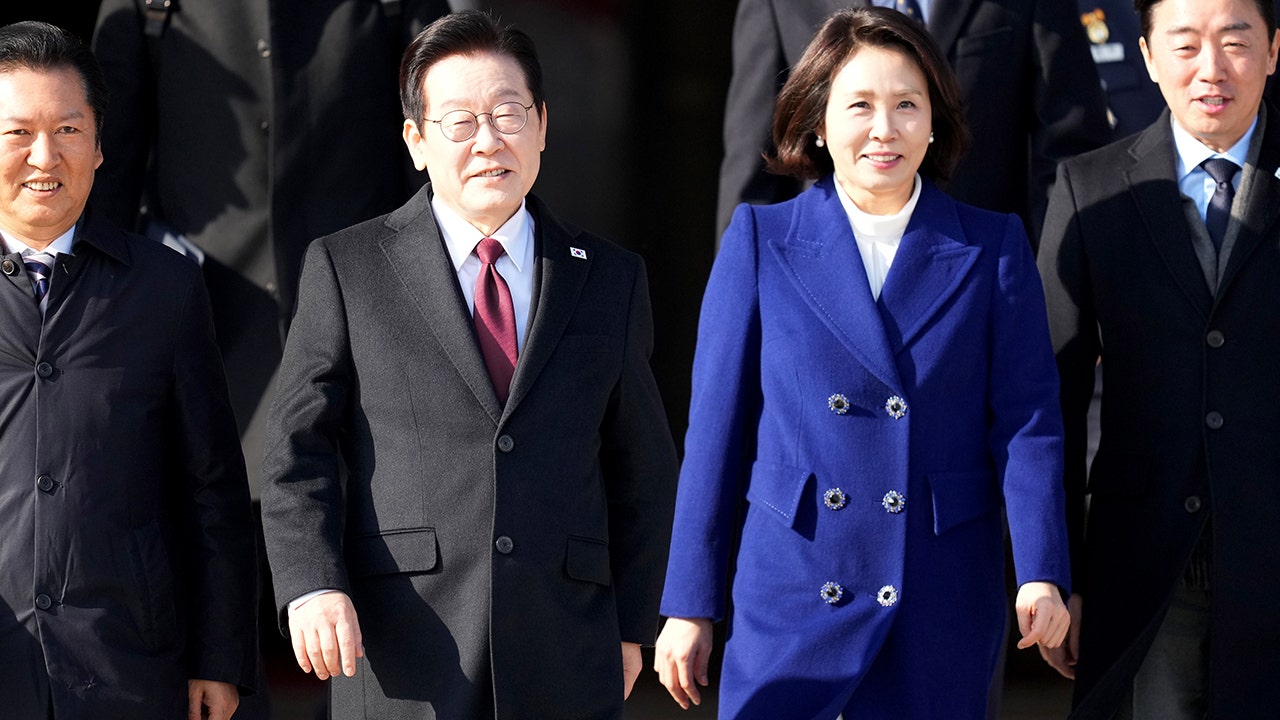
More than 50 U.S. House members led by Rep. Darrell Issa have raised concerns about proposed South Korean regulations they say would disadvantage American tech firms. A Competere Foundation economic model estimates that if South Korea adopts the Online Platform Fairness Act and related regulatory measures, U.S. states could lose $525 billion in economic activity over the next decade (with estimated losses by state including $123 billion for California, $48.7 billion for Texas, $33.9 billion for New York, and $27.4 billion for Washington). The Competere report and a referenced analysis estimate $1 trillion in combined damage to the U.S. and South Korean economies and about $4,000 lost per U.S. household over ten years. The bill, backed by the Korea Fair Trade Commission (KFTC) and supported by President Lee Jae-myung, would broaden KFTC powers; critics say such measures could favor Korean firms and open space for Chinese competitors, while South Korean officials have defended enforcement actions (for example, a ~ $410 million fine against Coupang for a data breach) as proportionate. U.S. lawmakers sent a letter to South Korea's ambassador expressing concern about what they call discriminatory practices. The legislation remains pending and the economic projections are model-based estimates rather than observed outcomes.
Biblical Reflection
This story mixes geopolitical concern, economic modeling, and regulatory debate. Christians should weigh both the legitimate interests of sovereign nations to regulate markets and protect data or competition, and the very real economic and strategic consequences such regulations can have for workers, companies, and alliances. The article relies heavily on a single think‑tank model and partisan voices that frame the issue as an alignment with China; that framing may overstate intent and understate South Korea’s stated regulatory rationales. Models can be useful tools but rest on assumptions about firm responses, market substitution, and policy implementation—so treat projected dollar losses as conditional, not inevitable. Gospel-shaped wisdom calls for truth-seeking (verify claims and assumptions), humility (avoid alarmist certainty), and neighbor-love (advocate for fair commerce that protects consumers and livelihoods). Christians can pray for wise, transparent diplomacy between allies and for policies that balance justice, stewardship, and the common good.
Scripture in context
This outlook does not yet include contextual Scripture citations. Do not treat a general biblical theme as an exegetical conclusion.
Faithful Response
No prescribed response is offered. Consider the reflection prompts below in your own church context.
Reflection and Discussion
- 1What assumptions and counterfactuals underlie the Competere model, and how might different business responses or policy changes alter its conclusions?
- 2Are regulatory actions being portrayed primarily as economic hostility, or are there legitimate public-interest reasons (data protection, competition) that the reporting underemphasizes?
- 3How does framing these regulations as evidence of geopolitical alignment shape public fear and U.S. policy responses toward an ally?
Sources
Reporting links are evidence inputs; Sanctuary News' biblical reflection is commentary.
This outlook currently relies on fewer than two linked sources. Broaden verification before teaching from it.
- 1.Original reportprimary