News Summary
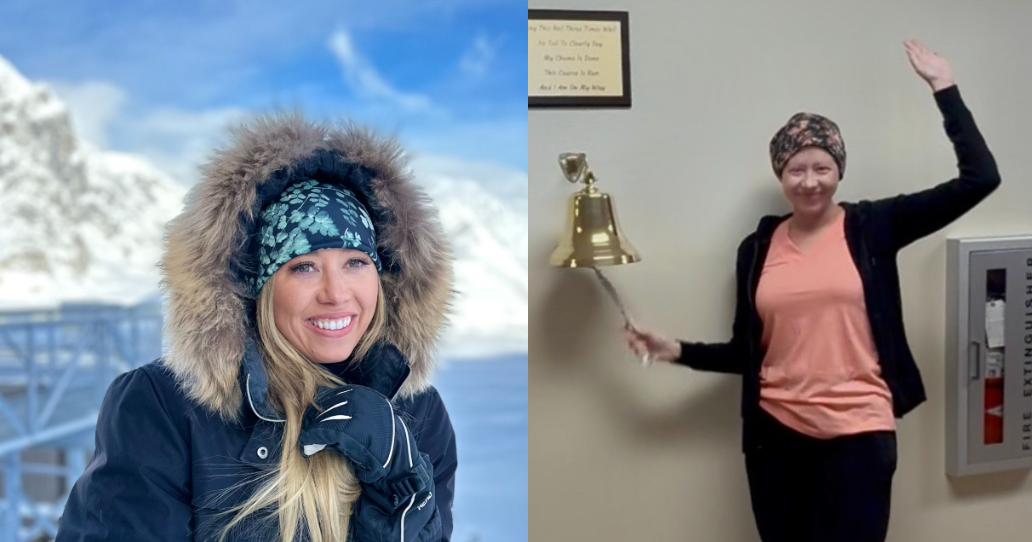
Facts reported: Alison McCullough found a lump, waited nearly two months for diagnosis, was diagnosed with triple‑negative breast cancer and a BRCA2 mutation, faced scheduling delays for chemotherapy in Alaska, received expedited care at City of Hope in Phoenix, completed six months of chemotherapy, underwent a double mastectomy, and was told she was cancer‑free in May. Attributed claims: the mobile mammogram provider turned her away for being under 40 (patient’s account), an Alaska infusion center could not see her for over a month (patient’s account), and City of Hope provided rapid access (patient’s account). Expert context: Dr. Erica Mayer explained what triple‑negative breast cancer is, its prevalence (10–15% of cases), and noted improving treatment outcomes. Uncertainties: the article does not corroborate the mobile mammography policy or the Alaska infusion center’s scheduling constraints with those institutions or with health‑system data, nor does it quantify how delays affected prognosis.
Source and Framing Analysis
Source role: single primary human‑interest report by CBS News centered on a patient’s first‑person narrative, supplemented by expert commentary from Dr. Erica Mayer. Framing: the piece foregrounds personal experience and successful treatment transfer, framing the story as a trajectory from discovery to recovery. Missing voices: representatives from the mobile mammography provider, the Alaska infusion center or state health officials, the Alaska oncologist referenced, and public‑health or policy experts on rural screening and referral systems. Incentives: as human‑interest coverage, the article aims to inform and inspire readers through an individual story; that emphasis can underplay systemic analysis. Disputed or unverified claims: whether the age cutoff policy and local scheduling delays are typical or exceptional requires independent verification. What needs independent verification: clinic policies, average wait times for diagnostics and infusion scheduling in Alaska, and whether the reported delays affected clinical outcomes.
Biblical Reflection
This is a human-interest account of sudden serious illness, medical system limits, and the relief of timely care. The story is truthful in its factual account and includes appropriate medical context. Its underlying worldview centers on personal vigilance (knowing one's body), individual advocacy (seeking a different center), and gratitude for competent care. It also implicitly highlights systemic inequities: screening guidelines, age thresholds, referral requirements, provider availability, and geographic disparities can delay diagnosis and treatment for symptomatic patients. From a Christian pastoral perspective, the article calls us to compassion for those who face medical fear and to humility about the limits of institutions; it invites practical neighbor-love—advocating for fair access, supporting people who must travel for care, and holding health systems accountable without dehumanizing individual clinicians. It is also wise to resist turning a single positive outcome into a universal promise: while McCullough's recovery is cause for thanksgiving, many still face worse outcomes, and Christians should offer steady care and advocacy regardless of publicity.
Scripture in context
- 12 Corinthians 1:3-7 — Paul writes to the Corinthian church from personal hardship, explaining that God comforts believers in their troubles so they can comfort others who face similar trials; the passage addresses suffering in the early Christian community and models mutual consolation. — The passage encourages Christians to be present for those undergoing illness—receiving compassion and then extending it—so congregations become networks of practical and emotional care rather than communities satisfied only with pity or applause for individual resilience.
Faithful Response
Pray regularly for people undergoing cancer treatment and for caregivers and clinicians; offer specific prayer support rather than vague sympathies.
Provide practical help: meals, transportation, childcare, and company during treatments; compile a local resource list for patients needing expedited referrals.
Learn local screening guidelines and referral pathways so you can guide neighbors proactively, and consider advocating for improved access where gaps exist.
Reflection and Discussion
- 1What additional sources would confirm whether the delays McCullough experienced are common in her region?
- 2Does the article’s focus on one successful transfer to specialty care obscure broader policy failures that leave other patients behind?
- 3Are we tempted to treat survivor narratives as evidence that systems work, and how should that affect our civic and charitable responses?
Sources
Reporting links are evidence inputs; Sanctuary News' biblical reflection is commentary.
This outlook currently relies on fewer than two linked sources. Broaden verification before teaching from it.
- 1.Model Diagnosed with Aggressive Breast Cancer After Lumpprimary_reporting