News Summary
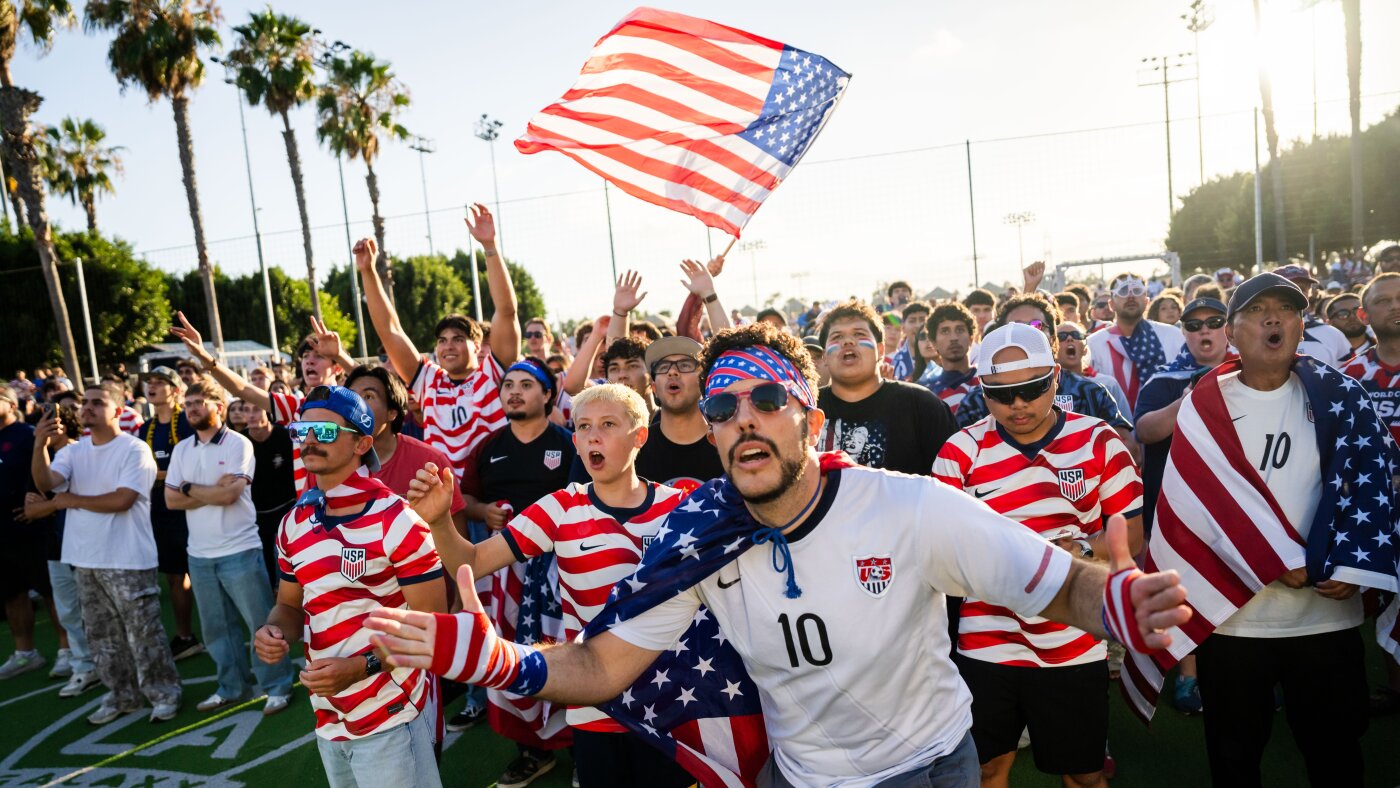
Reported facts: NPR reports the Chicago Fire invested just under $3 million to convert a bar called Recess into a World Cup watch site that drew an estimated 60,000 visitors over the tournament; MLS now has 30 teams and says all games are televised on Apple TV; MLS launched an eight-figure marketing campaign titled “Thanks World, We'll Take It From Here,” featuring Lionel Messi; 22 MLS clubs are offering free tickets to first-time attendees. Attributed claims: MLS executives say the World Cup and Messi’s presence will encourage players to come to MLS and convert casual fans into regular attendees; league officials say they worked to have World Cup teams use MLS facilities as training sites so visiting teams would experience MLS venues. Uncertainties: NPR’s reporting relies primarily on MLS officials and team executives for assessment of the campaign’s expected effectiveness; independent measures of campaign impact, actual conversion rates of casual viewers to repeat MLS attendees, and long-term player transfer decisions are not provided.
Source and Framing Analysis
Source role and framing: NPR acts as a national news outlet reporting on MLS’s campaign, relying heavily on quotes from MLS executives and team presidents. The article frames the World Cup as an accelerant MLS can and should leverage. Missing voices: independent sports economists, fan advocates, lower-income community members, neutral attendance or viewership analysts, and critics of public/private sports investments. Incentives: MLS and team officials have clear incentives to present the campaign positively (promote ticket sales, attract players, justify investments). What requires independent verification: the $3 million spend, the 60,000 attendance estimate at the Chicago watch venue, how many first-time attendees convert to repeat supporters, and whether MLS facilities make a consequential difference in player transfer choices.
Biblical Reflection
This article describes a largely promotional effort by MLS to turn global attention on the World Cup into long-term domestic growth. The intentions — growing community, drawing new participants, and improving league quality — are understandable and carry potential social benefits (more recreation for youth, community gathering). But the article largely relays the league's perspective and promotional claims without independent evaluation. Christians should discern between wholesome community-building and unchecked commercial ambition; the use of public attention to sell tickets and merchandising is not inherently wrong, but it invites questions about stewardship of resources, priorities, and who benefits. Practically, this moment offers a chance for hospitality, neighborliness, and service in local communities through shared events; it also should prompt healthy skepticism about marketing claims of transformation, and care for inclusion so new fans from diverse socioeconomic backgrounds can participate.
Scripture in context
- 11 Corinthians 9:19-23 — Paul explains his willingness to become 'all things to all people' so that he might win some to Christ, arguing for adaptability in ministry methods without compromising the gospel. Historically this passage addresses tensions between Jewish and Gentile practices and Paul's mission strategy in diverse cultural settings. — Use this passage as a lens to evaluate cultural engagement: it supports adapting methods to reach others, but it also requires that the underlying motive remain the good of others (mission, service) rather than personal gain or prestige — a useful test for churches or ministries partnering with popular cultural events.
Faithful Response
Be hospitable and neighbor-focused: use public sports events as opportunities for welcoming relationships (free access, refreshments, volunteer greeters) rather than primarily a fundraising pitch.
Support youth access and stewardship: advocate or sponsor low-cost youth soccer programs, prioritizing inclusion over marketing profit.
Maintain critical generosity: celebrate community-building while asking hard questions about how resources are allocated and who benefits from large promotional expenditures.
Pray and discern together as a congregation before formal partnerships with commercial entities; clarify mission-alignment and boundary conditions.
Reflection and Discussion
- 1Whose voices are missing when a story relies mainly on league executives and marketing materials, and how does that shape the claims we’re asked to accept?
Sources
Reporting links are evidence inputs; Sanctuary News' biblical reflection is commentary.
This outlook currently relies on fewer than two linked sources. Broaden verification before teaching from it.
Download source notes