News Summary
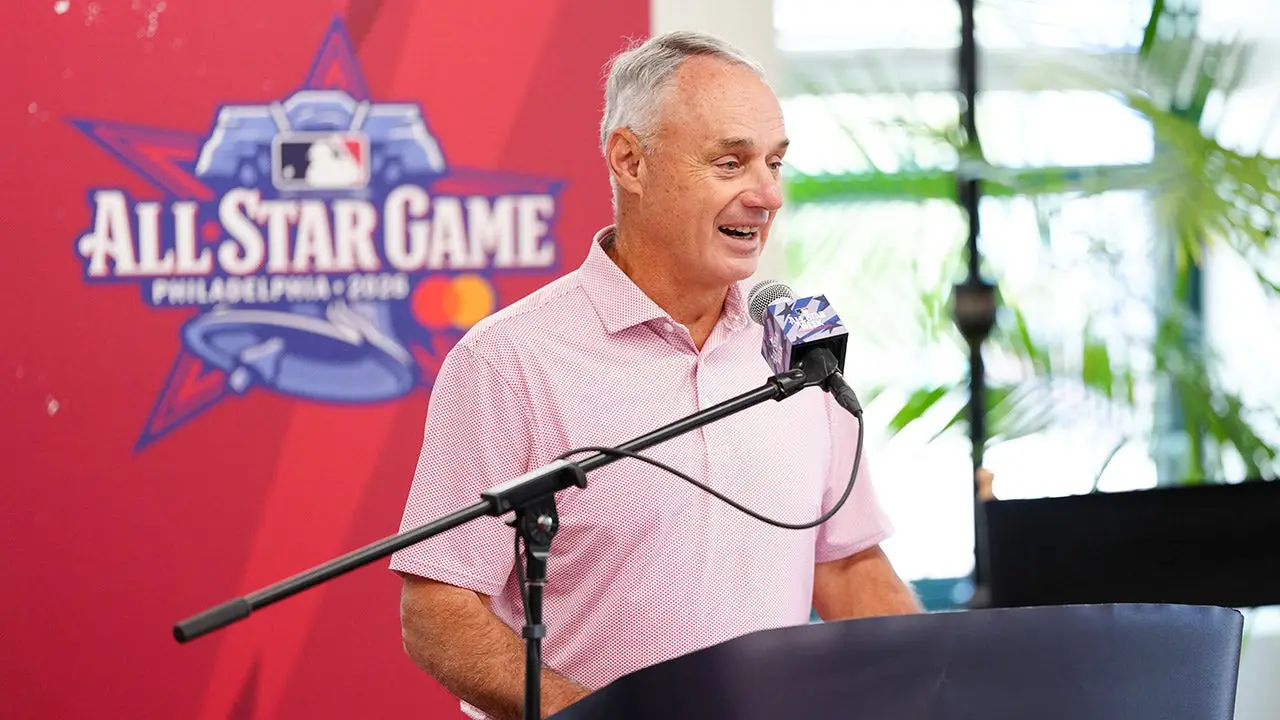
Major League Baseball's current collective bargaining agreement expires Dec. 1, 2026. Team owners, led publicly by Commissioner Rob Manfred, have proposed implementing a salary cap, strict contract-length limits, and other changes intended to address competitive imbalance between large- and small-market clubs. Owners have discussed options including splitting local TV-rights revenue and capping contract length and percentages of a proposed cap for re-signing and new-team deals. The players' union (MLBPA) has firmly rejected a salary cap, calling it unacceptable, and has instead sought earlier free-agent eligibility and protections against service-time manipulation. The parties exchanged public remarks around the 2026 All-Star Game era: Manfred argued owners are responding to fan concerns about competitive balance; interim MLBPA leader Bruce Meyer said a salary cap would be harmful to competition and fans. Owners have signaled willingness to lock out players if no deal is reached; a lockout could jeopardize the start of the 2027 season. The article cites high-profile contract examples (Shohei Ohtani, Juan Soto) and contrasts team payroll disparities (e.g., Dodgers vs. Marlins) to illustrate the dispute. Players offered a temporary 28-man roster proposal; owners countered with caps and contract limits. Manfred called himself an optimist about reaching a deal, but the stalemate on salary cap vs. no-cap is presented as central to whether the season will proceed normally.
Biblical Reflection
This is a dispute between labor and capital framed as a fight for the game's future. Owners are appealing to concerns about fairness and the health of the league; players are defending labor rights, career earnings, and market freedom. The piece emphasizes owner statements and market examples, which can incline readers to see the problem as one of runaway spending by a few teams; it quotes the union but frames the players' stance primarily as refusal. Christians should evaluate the story by seeking truth about both economic realities (payroll gaps, local economic impact) and human costs (players' livelihoods, staff jobs, communities that depend on games). The Christian ethic calls for honesty about power and stewardship: owners steward communal institutions and should consider how policies affect workers and local communities; players and unions should steward their bargaining power with clarity and willingness to pursue fair compromises. Beware of simple-if-true narratives that cast one side as solely greedy and the other as purely righteous — labor disputes are complex and involve competing legitimate goods (competitive balance, fair pay, long-term sustainability). Pray for negotiators to practice humility, pursue justice for vulnerable workers, and seek solutions that protect livelihoods and the common good of the sport.
Scripture in context
This outlook does not yet include contextual Scripture citations. Do not treat a general biblical theme as an exegetical conclusion.
Faithful Response
No prescribed response is offered. Consider the reflection prompts below in your own church context.
Reflection and Discussion
- 1Whose interests are centered in the coverage — team owners, star players, rank-and-file players, or fans — and how does that shape what solutions seem reasonable?
- 2Are proposals framed as technical fixes (caps, revenue sharing) or moral remedies (fairness, community health), and what values are driving each framing?
- 3When institutions we love are threatened, do we rush to pick sides or ask how agreements can protect the most vulnerable workers and local communities tied to the institution?
Sources
Reporting links are evidence inputs; Sanctuary News' biblical reflection is commentary.
This outlook currently relies on fewer than two linked sources. Broaden verification before teaching from it.
- 1.Original reportprimary