News Summary
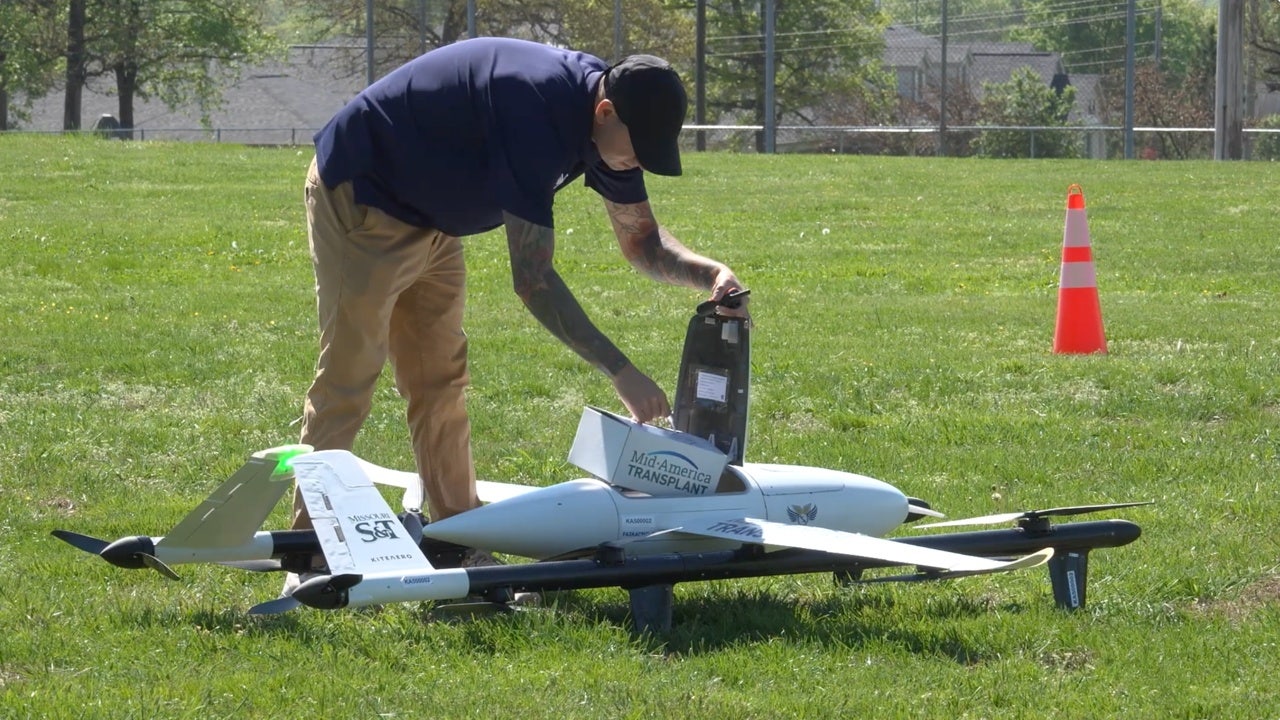
A test program in Missouri is trialing medical drones to speed delivery of critical supplies such as blood, lab samples and tissue between smaller communities and larger hospital hubs. Tests are taking place at a site in Rolla in partnership with a drone company and Missouri University of Science and Technology. The proposed test corridor would connect Springfield, Rolla and the St. Louis region, with aircraft reportedly capable of roughly 100 miles per hour. Flights are monitored in real time with maps, weather tools and air-traffic data. Partners cited potential uses for faster diagnoses and transplant logistics, and said official flights are hoped to begin this summer with an initial focus on transporting medical samples and later expanding to transplant-related materials. The article notes the broader context of rural health access challenges and cites that more than 130 rural hospitals closed between 2010 and 2021.
Biblical Reflection
From a Christian perspective, this technology seeks a commendable end: reducing delays that can worsen suffering and limit access to care for rural patients. Using innovation to serve vulnerable populations reflects the Biblical call to care for neighbors and the sick. At the same time, the article presents a largely optimistic, promotional view and omits several important questions Christians should notice and pray about: who will control access and pricing for these services, how safety and privacy will be ensured, whether rural communities themselves are being consulted, and whether the technology will deepen or alleviate existing inequities. The worldview shaping the piece is largely techno-optimistic—assuming faster delivery is an unalloyed good—without fully addressing ethical, regulatory, or stewardship concerns. Christians can affirm the intent to alleviate suffering while pressing for transparency, equitable access, safety, and humility regarding unintended consequences. Prayerful support for innovations that reduce harm is appropriate, paired with advocacy that innovations serve the poor and vulnerable rather than primarily commercial or convenience interests.
Scripture in context
This outlook does not yet include contextual Scripture citations. Do not treat a general biblical theme as an exegetical conclusion.
Faithful Response
No prescribed response is offered. Consider the reflection prompts below in your own church context.
Reflection and Discussion
- 1Who benefits most from this technology, and who might be left out or harmed if implementation focuses on convenience or profit rather than equity?
- 2What safety, privacy, and regulatory questions are not addressed in this report, and how should Christians advocate for safeguards that protect the vulnerable?
- 3Does the article assume technological progress is sufficient on its own, and how should believers balance enthusiasm for innovation with calls for justice and care?
Sources
Reporting links are evidence inputs; Sanctuary News' biblical reflection is commentary.
This outlook currently relies on fewer than two linked sources. Broaden verification before teaching from it.
- 1.Original reportprimary