News Summary
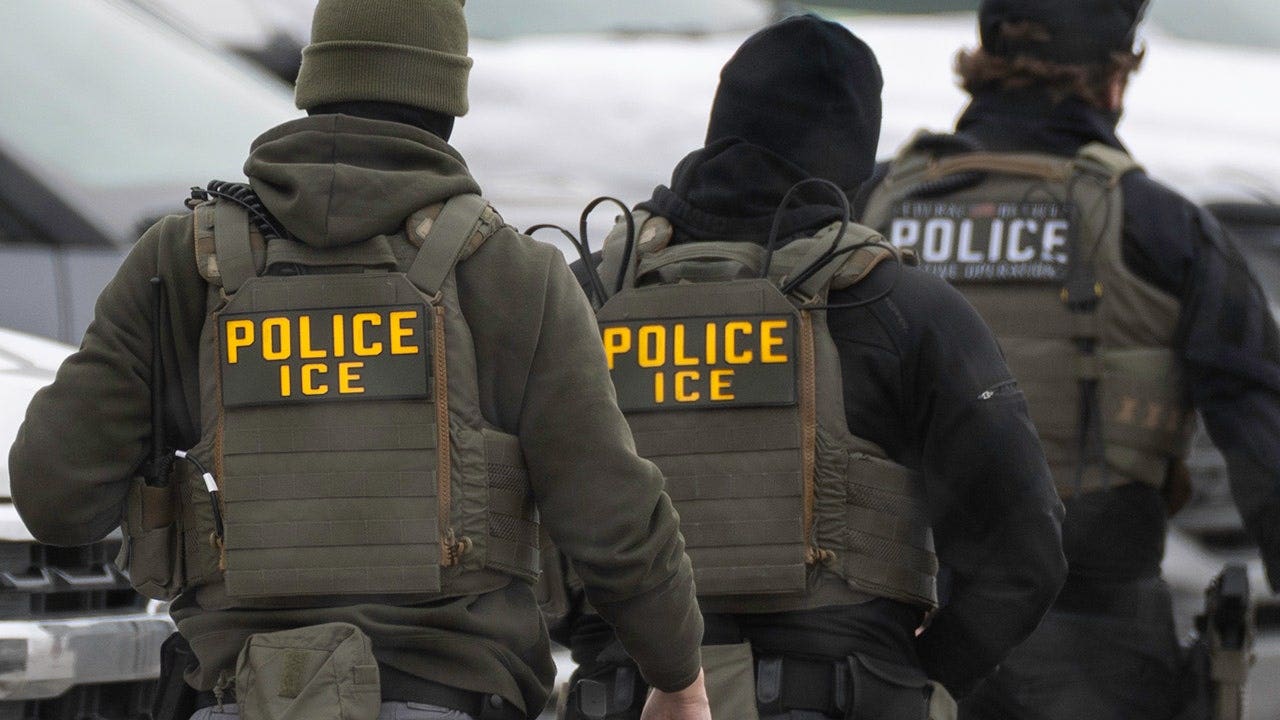
The Minnesota Senate passed a bill on a 34–33 party-line vote that would: (1) restrict federal agents from concealing their identities (with specified exceptions such as medical needs); (2) create a private cause of action allowing Minnesota residents to sue over alleged constitutional violations tied to civil immigration enforcement in the state; (3) require schools, day cares, and health-care facilities to deny access to agents seeking to conduct civil immigration enforcement on their premises without a signed judicial warrant (with exceptions); (4) prohibit certain civil immigration arrests of people attending court proceedings; (5) authorize state officials to investigate deaths involving federal agents’ use of force; and (6) create penalties or civil liability in some cases for failure to render aid after a shooting. Sponsors cited recent immigration raids and fatal shootings in Minneapolis as motivation; Republicans argued the bill risks undermining cooperation with federal authorities and could expose the state to litigation and public-safety risks. Similar measures have been proposed or advanced in other states; parts of comparable laws have faced federal-court challenges. The measure now goes to the Minnesota House, which is evenly split and where its prospects are uncertain.
Biblical Reflection
This bill sits at the intersection of two biblical concerns: the imperative to protect the vulnerable and hold power to account, and the call to respect lawful authority and the common good. The sponsors’ stated intent — increased transparency and accountability where force was used and rights may have been violated — resonates with biblical demands for justice (e.g., defending the oppressed). At the same time, opponents’ warnings about public-safety risks and legal conflict with federal authority point to legitimate concerns about order and the rule of law. The article’s framing (sourced to a conservative outlet) emphasizes conflict and quotes sharpened rhetoric on both sides; readers should note emotive language from lawmakers that frames the issue as either protection from terrorizing masked agents or as hampering law enforcement. Objectively, the measure raises real questions: will state restrictions meaningfully prevent abuses and provide remedies for victims, or will they produce legal preemption fights and unintended effects on public safety and cooperation? From a Christian worldview, the priority should be justice lived with mercy — protecting persons (including immigrants) from unlawful violence, ensuring accountability for abuse, and seeking prudent public policies that preserve safety and lawful order. Christians should also be wary of partisan amplification that turns legitimate grievances into dehumanizing rhetoric. Finally, remember legal realities: federal supremacy and ongoing court challenges mean the bill may face judicial limits; pursuit of justice must be pursued within legal avenues and with humility about consequences.
Scripture in context
This outlook does not yet include contextual Scripture citations. Do not treat a general biblical theme as an exegetical conclusion.
Faithful Response
No prescribed response is offered. Consider the reflection prompts below in your own church context.
Reflection and Discussion
- 1Whose experiences and voices are centered in coverage and lawmaking here — victims of alleged abuses, immigrant communities, federal law-enforcement perspectives, or political leaders — and how does that shape public perception?
- 2Does the proposed legislation prioritize accountability and protection of vulnerable people, or does it primarily constrain federal enforcement in ways that could produce other harms? What evidence would settle that question?
- 3How should Christians balance respect for civil authorities and public safety (Romans 13) with the biblical call to defend strangers and seek justice for the oppressed (Leviticus 19:33–34, Micah 6:8)?
Sources
Reporting links are evidence inputs; Sanctuary News' biblical reflection is commentary.
This outlook currently relies on fewer than two linked sources. Broaden verification before teaching from it.
- 1.Original reportprimary