News Summary
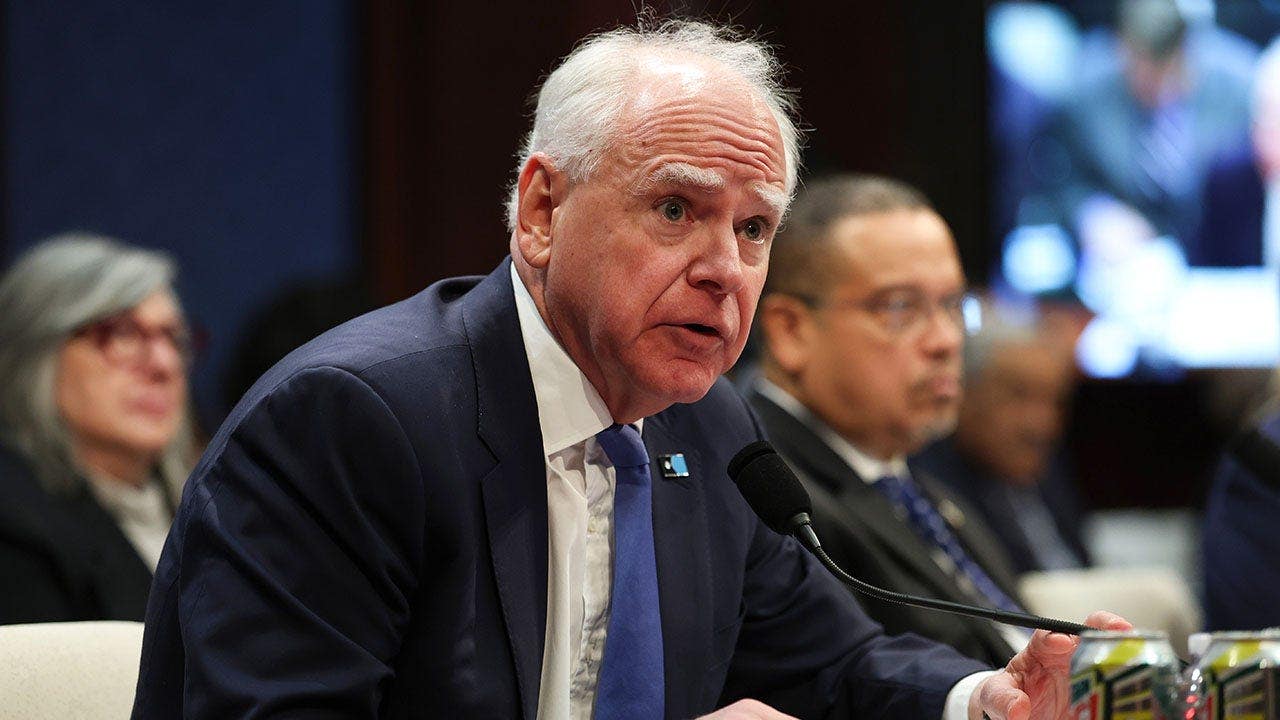
On June 10, 2026 the Minnesota Board of Pardons — composed of Governor Tim Walz, Attorney General Keith Ellison, and Chief Justice Natalie Hudson — granted a pardon to Tou Lue Vang, a Laotian national convicted in 2006 of first‑degree criminal sexual conduct against a 10‑year‑old. The Minnesota Clemency Review Commission recommended the pardon after its April vote (four in favor, two opposed, three absent); the board has final authority. Vang pleaded guilty in 2006 in a plea deal that avoided a prison term; his immigration status, granted in 1994, was revoked following the conviction and he had a final order of removal. Federal authorities detained Vang in 2025 under an enforcement operation. The pardon restores a clean record under state law and affects state-level consequences; federal immigration authorities and DHS have criticized the decision. The story notes a recent similar pardon of another Laotian citizen and includes statements from DHS and Fox News' outreach to state and federal officials.
Biblical Reflection
This story sits at the intersection of competing goods: the public’s need for safety and accountability for serious crimes, and the biblical call to mercy, restoration, and concern for the marginalized. The article reports facts but is framed with charged language and political emphasis that foregrounds immigration status and partisan dispute; readers should distinguish verified facts (the pardon, the conviction, vote counts, participants) from rhetorical framing designed to inflame. From a Christian perspective, mercy or a pardon does not erase the harm done or the duty to protect vulnerable people — churches and leaders must prioritize care and justice for victims while allowing for genuine repentance and rehabilitation. Public officials carry a stewardship responsibility: ensure transparency, prioritize public safety, and communicate clearly why clemency is granted so trust is not eroded. Christians should resist dehumanizing rhetoric toward immigrants and also refuse to minimize the reality of sexual violence; both truth and grace are required.
Scripture in context
This outlook does not yet include contextual Scripture citations. Do not treat a general biblical theme as an exegetical conclusion.
Faithful Response
No prescribed response is offered. Consider the reflection prompts below in your own church context.
Reflection and Discussion
- 1Are we letting political labels shape our response more than the underlying facts about victim safety, accountability, and legal process?
- 2Does a civil pardon change moral responsibility or the need for communal care for victims — and how should leaders explain such decisions to maintain trust?
- 3How does media framing influence whether we respond with righteous concern or reactive scapegoating toward vulnerable groups?
Sources
Reporting links are evidence inputs; Sanctuary News' biblical reflection is commentary.
This outlook currently relies on fewer than two linked sources. Broaden verification before teaching from it.
- 1.Original reportprimary