News Summary
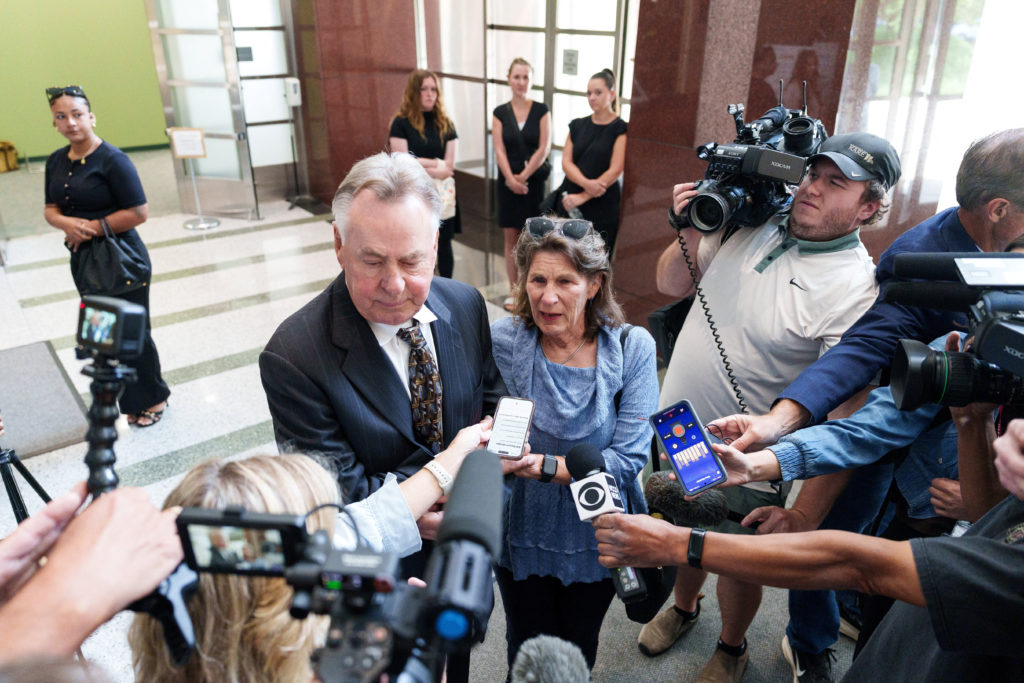
Reported facts: A defendant pleaded guilty to the murder of Minnesota Democratic lawmaker Melissa Hortman and was sentenced to two life terms plus 40 years on Thursday; friends and family publicly described trauma, loss, fear and anger caused by the killing. Attributed claims: Statements about the perpetrator failing to eliminate Hortman's legacy and causing enduring fear and fury are attributed to friends and family. Uncertainties: The article does not name the defendant, provide a motive, give details about the crime scene or the date of the killing, or include law-enforcement or court documents beyond the sentence.
Source and Framing Analysis
The article centers family testimony and the legal outcome; that framing highlights personal harm and accountability but leaves important factual gaps (defendant identity, motive, crime specifics) that limit readers' ability to evaluate broader civic implications. The emotional emphasis on trauma and legacy is appropriate for victims' perspectives but should not substitute for fuller factual reporting where relevant to public policy or safety assessments.
Biblical Reflection
This killing is a stark reminder of human brokenness and the real costs of violent crime. The factual reporting centers on legal consequences and the emotional testimony of loved ones; it does not speculate about motive or broader political implications. Christians are called to hold both truth and compassion: to seek justice for wrongdoers while mourning with those who mourn and resisting dehumanizing rhetoric. The family's testimony about fear and grief calls the church to vulnerable presence — offering care, practical help, and a faithful witness to hope in sorrow.
At the same time, Christians should watch for missing facts the article does not supply (the perpetrator's name, motive, details of the attack, law-enforcement findings) before drawing conclusions about causes or public-policy responses. The article's framing — emphasizing the family's pain and the sentence — aligns with both the need for accountability and the need to center victims; a faithful response from believers keeps both concerns in view: truthful reporting and pastoral care.
Finally, this event challenges Christians to resist simplified narratives that turn persons into symbols. While civic institutions must enforce penalties proportionate to crime, the gospel calls believers to advocate for safety and for redemption where possible, to love neighbors affected by violence, and to pray for a society where such losses are fewer.
Scripture in context
- 1Psalm 34:18; Romans 12:17-21 — Psalm 34 arises from personal deliverance and acknowledges God's nearness to the brokenhearted; Romans 12 is a New Testament section offering ethical instruction to Christians on responding to wrongdoing and living peaceably within a hostile world. — These texts together comfort those who mourn and call believers to pursue justice without repaying evil in kind—offering presence to the grieving while insisting on lawful accountability and resisting vengeance as our primary response.
Faithful Response
Pray privately and publicly for the bereaved family, for just legal process, and for community healing.
Offer concrete help to those directly affected (meals, childcare, accompaniment to hearings) rather than only expressing opinions online.
Encourage church teaching and small-group conversations about lament, restorative pastoral care, and how to support public safety initiatives that protect vulnerable neighbors.
Reflection and Discussion
- 1In what ways should Christians demand truthful, full information before forming public policies or statements about a violent crime?
- 2How can the church provide space for righteous anger without allowing it to become dehumanizing or vengeful?
- 3What concrete steps should Christian communities take to accompany families affected by political or public violence?
Sources
Reporting links are evidence inputs; Sanctuary News' biblical reflection is commentary.
This outlook currently relies on fewer than two linked sources. Broaden verification before teaching from it.
- 1.Man who killed Minnesota lawmaker sentenced to life as her family describes trauma, lossprimary_reporting