News Summary
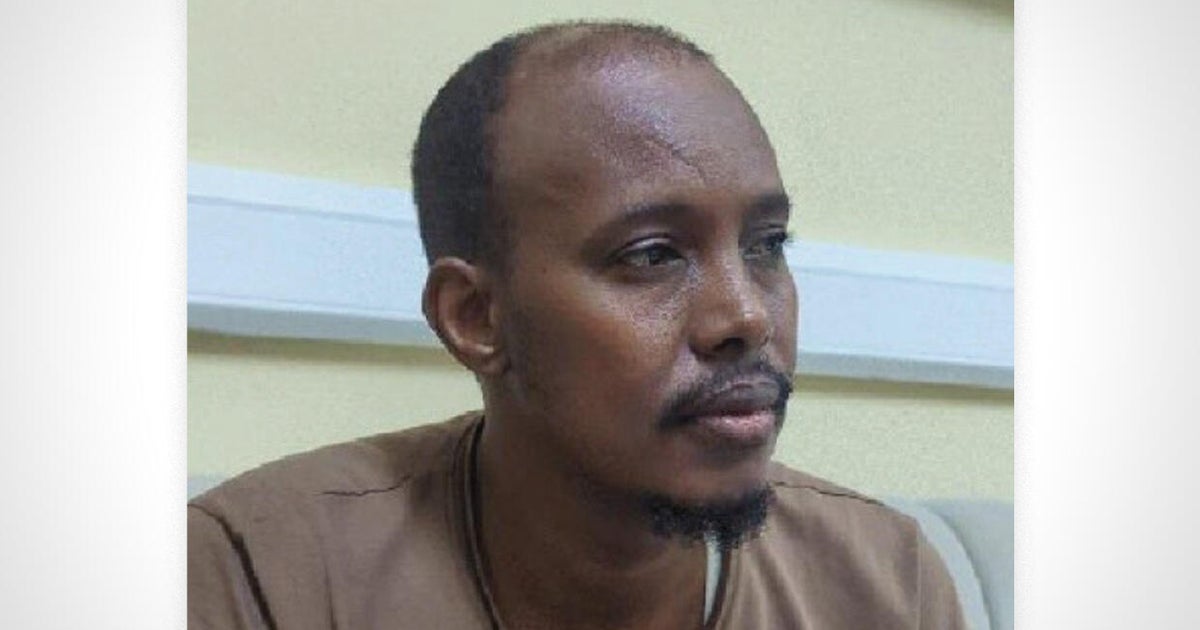
Federal officials say Abdikerm Eidleh, 43, was arrested in Mogadishu, Somalia, this week in an FBI-coordinated daytime raid with Somali intelligence after more than four years on the run. Eidleh was indicted in September 2022 in the Feeding Our Future investigation, described by prosecutors as a pandemic-era fraud scheme that targeted Minnesota school-meal reimbursements. Authorities allege Eidleh was a key leader, second in command to convicted ringleader Aimee Bock, and that he instructed restaurants and caterers to inflate receipts submitted to the Minnesota Department of Education; prosecutors say he personally collected about $5 million in bribes and kickbacks. The wider investigation has led to charges against 79 people (most of Somali descent), with 66 convicted or pleading guilty; state prosecutors estimate total fraud in Minnesota connected to similar schemes could exceed $1 billion. Officials billed the arrest as evidence of U.S. law enforcement’s global reach; the article does not report extradition details or trial dates for Eidleh.
Biblical Reflection
This story highlights both the real harm that large-scale fraud does to public programs and the need for just, measured responses. The allegations, if true, describe deliberate deception that diverted taxpayer funds intended for children’s meals and other social services — a serious breach of public trust and of Christian responsibilities to care for the vulnerable. At the same time, coverage that emphasizes ethnicity or nationality (noting that most charged are of Somali descent and that the arrest took place in Somalia) risks encouraging stereotyping or scapegoating; the church should resist collective blame while supporting accountability for individuals. From a biblical perspective, pursuit of justice for wrongs, protection for the vulnerable, and stewardship of communal resources are imperative. Yet Christian wisdom also calls for mercy, the possibility of repentance, and restorative approaches that repair harm. Readers should watch for due process as the case moves forward, avoid dehumanizing rhetoric about suspects or communities, and consider how systemic weaknesses in oversight and support for low-income providers may have made such schemes possible.
Scripture in context
This outlook does not yet include contextual Scripture citations. Do not treat a general biblical theme as an exegetical conclusion.
Faithful Response
No prescribed response is offered. Consider the reflection prompts below in your own church context.
Reflection and Discussion
- 1Am I letting reports of criminality shape my view of an entire community, or can I hold individuals accountable without stereotyping others?
- 2What systems or oversight failures might have enabled large-scale fraud, and how should Christians advocate for both accountability and better safeguards for public programs?
- 3How can our response balance a desire for justice with opportunities for repentance, restitution, and healing for victims and communities?
Sources
Reporting links are evidence inputs; Sanctuary News' biblical reflection is commentary.
This outlook currently relies on fewer than two linked sources. Broaden verification before teaching from it.
- 1.Original reportprimary