News Summary
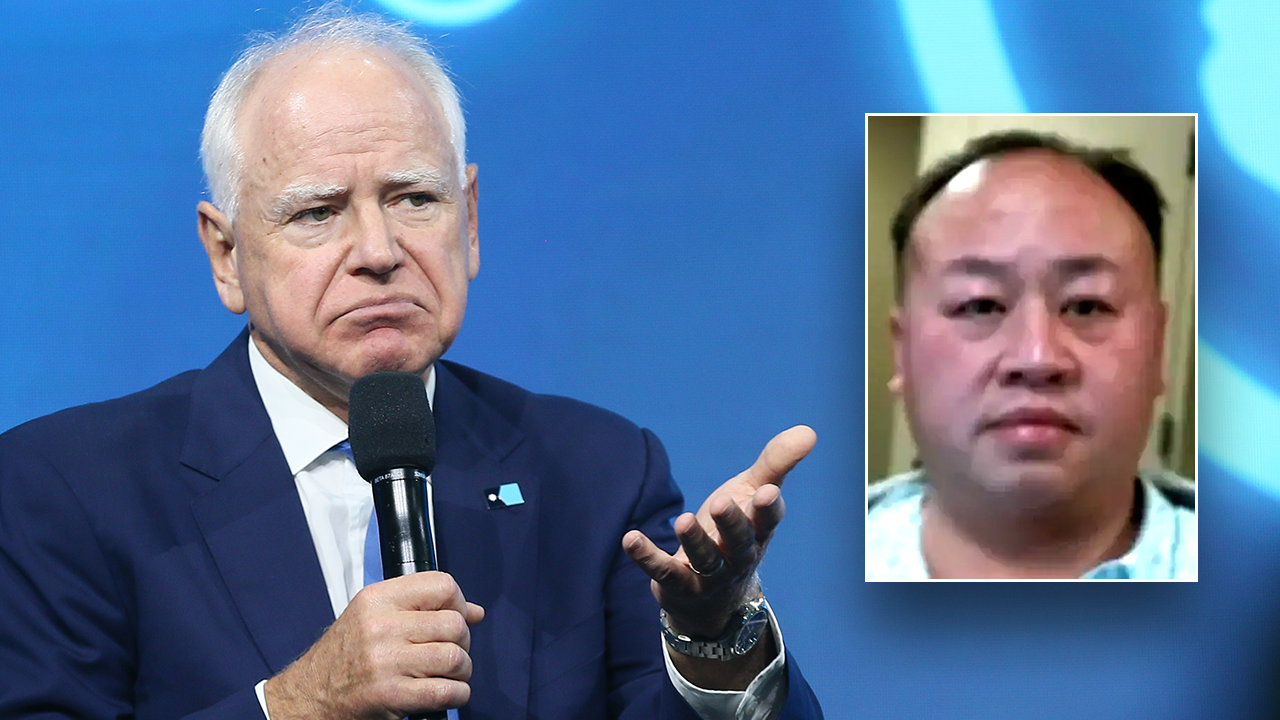
Minnesota Clemency Review Commission voted 4–2 to recommend clemency for Tue Lue Vang, a Laotian national convicted of repeatedly raping a girl beginning when she was about 10; commissioners cited immigration and family concerns among reasons supporting clemency and noted evidence of remorse and claimed victim support. The Minnesota Board of Pardons (Governor Tim Walz, Attorney General Keith Ellison, and Chief Justice Natalie Hudson) issued a full pardon on June 10, which would clear Vang’s conviction. Vang had been sentenced to 12 years (the sentence was stayed in favor of 30 years supervised probation, including one year local confinement) and served eight months; he was discharged from probation early in 2019. Federal officials criticized the pardon and the Secretary of State (Marco Rubio) announced termination of Vang’s legal status and that Vang was removed to Laos. Department of Homeland Security and other federal actors condemned the state pardon as allowing a convicted child sexual offender to remain in the U.S.; state prosecutors and a county attorney had opposed clemency in filings.
Biblical Reflection
This story raises a painful moral tension between mercy for a person who claims rehabilitation and the need to protect the vulnerable and honor victims. The clemency process appears to have weighed immigration and family stability heavily alongside assertions of remorse; at the same time prosecutors and at least two commissioners opposed the pardon on grounds of the offense’s severity. Christians should be careful to hold two truths together: the call to offer forgiveness and restoration to repentant sinners, and the biblical imperative to seek justice and safeguard the weak, especially children. The public and political reaction—federal officials reversing state clemency by terminating status—also shows how legal forgiveness (a pardon) can be overtaken by other jurisdictions and political pressures, which may reflect competing understandings of safety, national sovereignty, and compassion. Pay attention to procedural transparency (how victim input was collected and documented), the genuineness of repentance (evidence beyond statements), and whether community safety and the victim’s welfare were centered rather than secondary to immigration concerns.
Scripture in context
This outlook does not yet include contextual Scripture citations. Do not treat a general biblical theme as an exegetical conclusion.
Faithful Response
No prescribed response is offered. Consider the reflection prompts below in your own church context.
Reflection and Discussion
- 1Does the clemency process privilege family unity and immigration concerns over victim-centered justice and public safety?
- 2How transparently were the victim’s views documented, and how might public statements of forgiveness be influenced by pressure, reconciliation efforts, or differing understandings of safety?
- 3What does the federal intervention tell us about how forgiveness, legal authority, and political priorities interact in cases involving serious crimes and immigration status?
Sources
Reporting links are evidence inputs; Sanctuary News' biblical reflection is commentary.
This outlook currently relies on fewer than two linked sources. Broaden verification before teaching from it.
- 1.Original reportprimary