News Summary
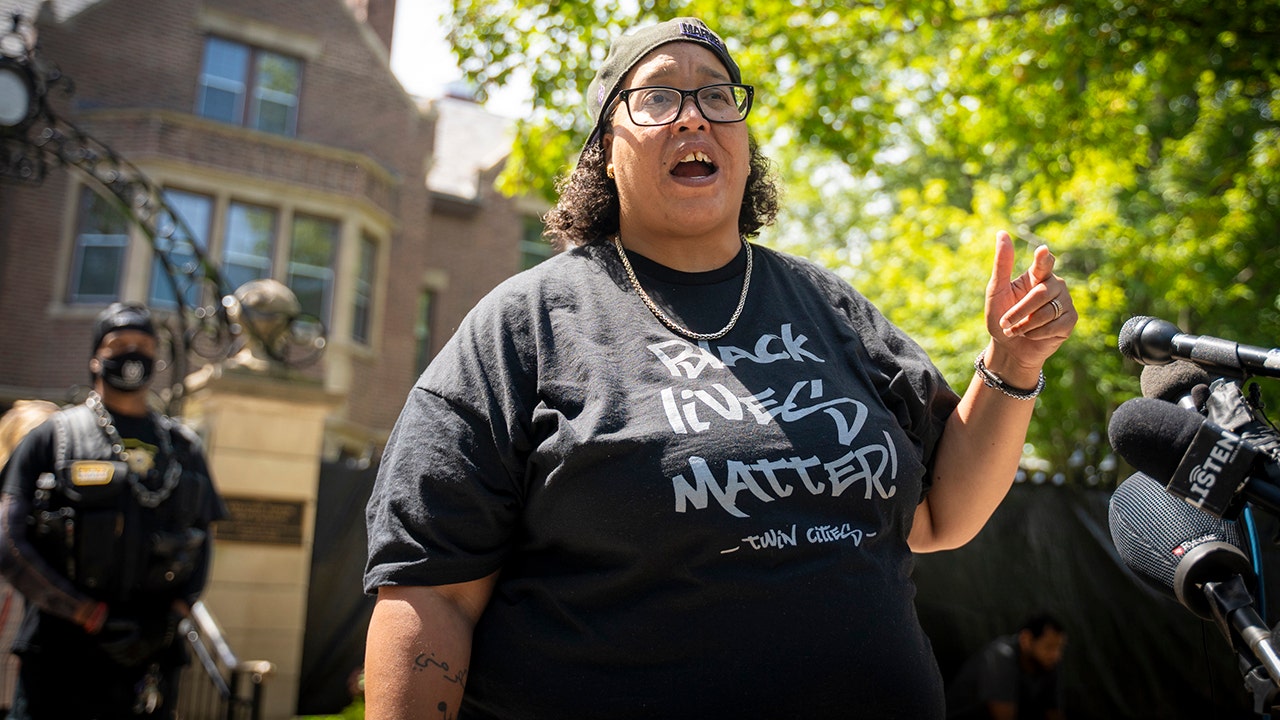
Chauntyll Allen, clerk for the St. Paul Public Schools Board of Education and leader of Black Lives Matter Twin Cities, posted on a Facebook page supporting Minnehaha Off‑Leash Dog Park suggesting dogs should be allowed to urinate in Christian cemeteries and writing that people should "leave indigenous land sacred and piss on the White corpses." The remarks came amid debate over closing the Minnehaha dog park because it lies within Mni Owe Sni (Coldwater Spring), a Dakota sacred site where unmarked graves are believed to exist. Allen faces separate federal felony charges for participating in a January 18 protest that entered Cities Church in St. Paul during services; the church’s pastor condemned that protest. The St. Paul Board of Education said it was aware of the social media post and declined further comment; Allen did not immediately respond to requests for comment.
Biblical Reflection
From a Christian perspective, the article displays multiple tensions: a legitimate concern for protecting indigenous sacred places and for protesting perceived injustice exists alongside rhetoric that dehumanizes persons of a particular religious and racial identity. The use of inflammatory, vindictive language by a public official undermines trust, wounds neighbors, and obscures moral clarity. Christians are called to pursue justice for the oppressed and to defend the vulnerable, but Christian witness also requires speaking truth without cruelty, honoring the dignity of all made in God's image, and seeking reconciliation where possible. The context of activism and historic injustices helps explain anger, but it does not excuse advocacy that demeans others or targets cemeteries and the dead. Responsible public leadership demands accountability, measured speech, and engagement with affected communities—including indigenous people and local congregations—to pursue restoration rather than escalation. Readers should note both the legitimate cultural and legal questions about sacred land and that incendiary language often deepens division and distracts from constructive remedies.
Scripture in context
This outlook does not yet include contextual Scripture citations. Do not treat a general biblical theme as an exegetical conclusion.
Faithful Response
No prescribed response is offered. Consider the reflection prompts below in your own church context.
Reflection and Discussion
- 1How should the responsibilities of public office shape how officials express anger or call for protest in public forums?
- 2When defending sacred spaces and historical justice, how can activists avoid language that dehumanizes others and undermines their cause?
- 3What steps would promote repair and dialogue between Indigenous communities, local congregations, and civic leaders in conflicts over sacred land?
Sources
Reporting links are evidence inputs; Sanctuary News' biblical reflection is commentary.
This outlook currently relies on fewer than two linked sources. Broaden verification before teaching from it.
- 1.Original reportprimary