News Summary
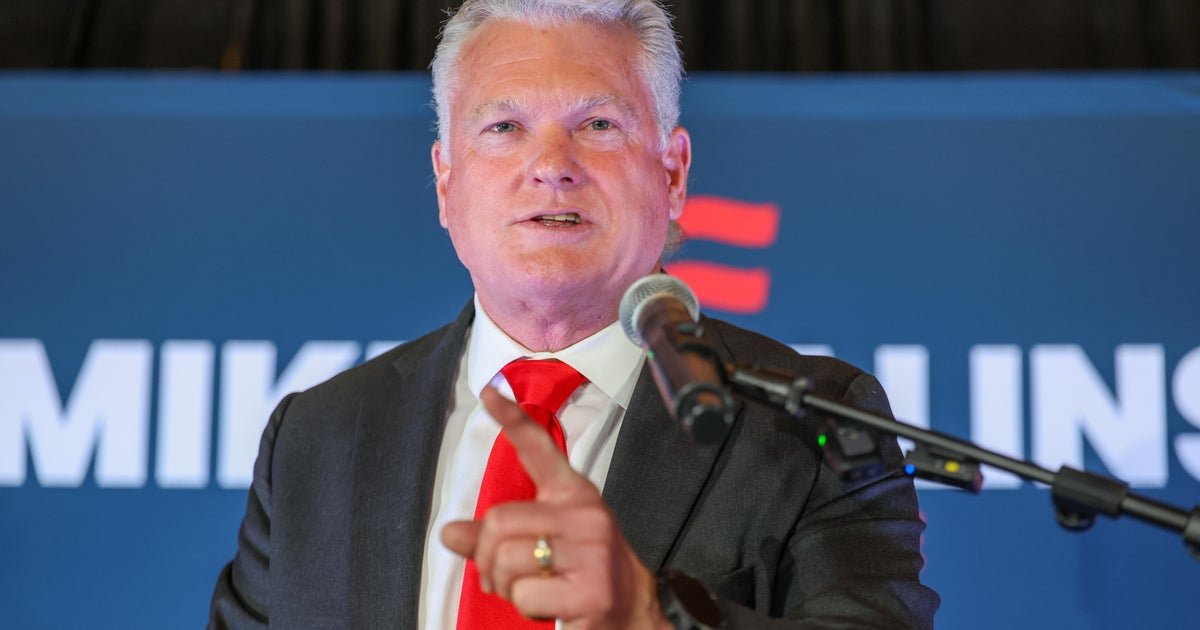
Rep. Mike Collins won the Georgia Republican Senate runoff, defeating Derek Dooley after no candidate reached 50% in the primary; Collins received about 41% of the runoff vote while Dooley trailed near 30%. The primary had earlier eliminated Rep. Buddy Carter. President Trump endorsed Collins shortly before the runoff, intensifying a visible intra-GOP dynamic between Trump and Governor Brian Kemp, who had backed Dooley. Collins has emphasized alignment with Trump and highlighted sponsorship of an immigration bill named after Laken Riley. Dooley positioned himself as an outsider who would nonetheless work with the president. Collins will face Democratic Sen. Jon Ossoff in the November general election. Ossoff, who won his seat in a 2021 runoff and is the only Democrat from a state Trump won in 2024 seeking reelection, is viewed as vulnerable and has built a significant campaign fund. The article notes the race could be decisive for control of the Senate. The piece also reports that Collins is under investigation by the House Ethics Committee over allegations he misused congressional funds; Collins denies the allegations. Both campaigns are framing the general election in nationalized terms, with Republicans portraying Ossoff as aligned with national Democrats and Democrats highlighting Collins's closeness to Trump and the ethics inquiry.
Biblical Reflection
This result is another example of how personality, national endorsements, and intra-party conflicts shape modern campaigns. The article is primarily factual but mixes reporting with interpretation about electoral consequences and political strategy. Christians should notice three moral issues: (1) the power of political celebrity and endorsements to shape outcomes apart from substantive evaluation of character and policy, (2) the ease with which opponents are framed as existential threats rather than neighbors with differing convictions, and (3) the moral necessity of truth and accountability where allegations of misconduct exist. Biblical wisdom calls for pursuing truth, practicing humility amid partisan passion, and seeking the common good over factional advantage. That means scrutinizing claims from all sides, refusing to reduce political life to loyalty to a person, and insisting that public servants be held to honest standards. At the same time, Christians should resist cynicism: civic engagement and prudent political choices are forms of stewardship when done with integrity and love for neighbor.
Scripture in context
This outlook does not yet include contextual Scripture citations. Do not treat a general biblical theme as an exegetical conclusion.
Faithful Response
No prescribed response is offered. Consider the reflection prompts below in your own church context.
Reflection and Discussion
- 1How does a high-profile endorsement change which qualities voters notice—substance or loyalty—and how should Christians weigh that influence?
- 2Are we treating political rivals as enemies to be defeated rather than neighbors to be loved and held accountable with truth and justice?
- 3What standards of character and public accountability should Christians insist on for elected officials, regardless of party?
Sources
Reporting links are evidence inputs; Sanctuary News' biblical reflection is commentary.
This outlook currently relies on fewer than two linked sources. Broaden verification before teaching from it.
- 1.Original reportprimary