News Summary
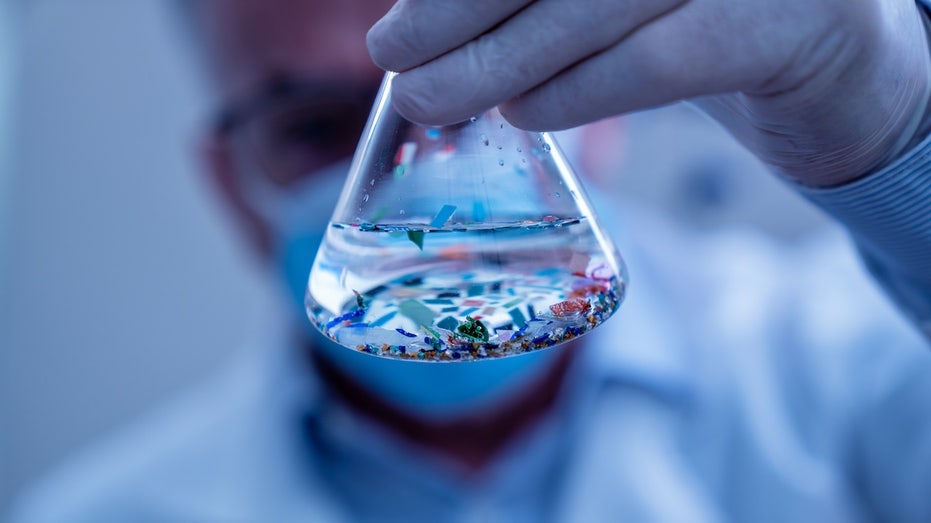
Reported facts: The article reports a study finding detectable microplastics in coronary artery blood from patients with severe heart attacks—nearly 84% had detectable microplastics and polyethylene was present in 97% of positive samples. Attributed claims: The article frames the results as 'startling' and highlights prevalence figures but does not include methodological details, sample size, peer-review status, or control comparisons. Uncertainties: The report does not establish causation between microplastics and heart attacks, lacks accessible methodological detail in the supplied text, and offers no information about clinical significance, contamination controls, or whether similar levels occur in non–heart-attack populations.
Source and Framing Analysis
Material uncertainties that affect the story: the supplied article lacks key methodological details (sample size, selection criteria, laboratory contamination controls, analytical technique, and whether the study is peer-reviewed). Those absences materially limit interpretation—detection alone does not equal causation or clinical harm. The article’s language (e.g., 'startling') frames the finding as alarming without providing the scientific context needed to evaluate risk. Because only one news report is supplied and it does not link to the original study, independent corroboration is missing and would materially affect how seriously the public and policymakers should respond.
Biblical Reflection
This report raises an important stewardship and public-health concern, but Christians should receive it with both honesty and restraint. The factual claims—high prevalence of microplastic particles (especially polyethylene) in coronary artery blood samples from severe heart-attack patients—demand further scientific scrutiny before drawing broad clinical conclusions. We should resist alarmism that leaps from detection to definitive harm without clear evidence of causation or scope.
From a Christian perspective, this story touches on two interwoven responsibilities: caring for God’s creation and protecting vulnerable human life. If synthetic pollution is reaching people’s circulatory systems, that amplifies the moral imperative to pursue truth, advocate for research and regulation, and care for communities disproportionately exposed to environmental harms. At the same time, humility is required: the report as presented leaves major evidentiary gaps; Christians should not present the finding as settled proof that microplastics cause heart attacks.
Practically, faithfulness here looks like praying for wisdom, supporting rigorous research and public-health responses, reducing personal and communal plastic waste where reasonable, and defending policies that protect public health and creation. We practice mercy by caring for those at risk and truthfulness by demanding and communicating careful, evidence-based conclusions.
Scripture in context
- 1Genesis 2:15 — In the creation narrative, humanity is placed in the garden to 'work' and 'keep' it, which in context implies responsible stewardship of the environment God gave humanity. — This passage calls Christians to care for creation in ways that protect human flourishing; concerns about pollution reaching people’s bodies are a stewardship and moral concern that invites responsible action and public care.
- 2Luke 10 (parable of the Good Samaritan) — Jesus tells a story about who is a true neighbor, showing mercy across boundaries and urging practical care for those in need. — If environmental harms disproportionately affect the poor or vulnerable, Christians are called to be neighbors—advocating, caring, and addressing real harms, while avoiding fearmongering that harms public trust.
Faithful Response
Pray for researchers, clinicians, and policymakers to have discernment and for those affected by environmental harm to receive care.
Support and advocate for transparent, peer-reviewed research and public-health investigation before assuming causation.
Reduce personal and congregational plastic waste where feasible and encourage community recycling and reduction programs as expressions of stewardship.
Care for vulnerable neighbors by supporting local health clinics, environmental justice initiatives, and policies that limit harmful pollution while listening to affected communities.
Reflection and Discussion
- 1Does detection of a contaminant automatically justify urgent policy or personal change, or do we need stronger causal evidence first?
- 2Who is most likely to be harmed by plastic pollution, and how should concern for the vulnerable shape Christian responses?
- 3How can Christians hold together humility before scientific uncertainty and active stewardship of creation?
Sources
Reporting links are evidence inputs; Sanctuary News' biblical reflection is commentary.
This outlook currently relies on fewer than two linked sources. Broaden verification before teaching from it.
- 1.Microplastics detected in most heart attack patients' blood in startling new studyprimary_reporting