News Summary
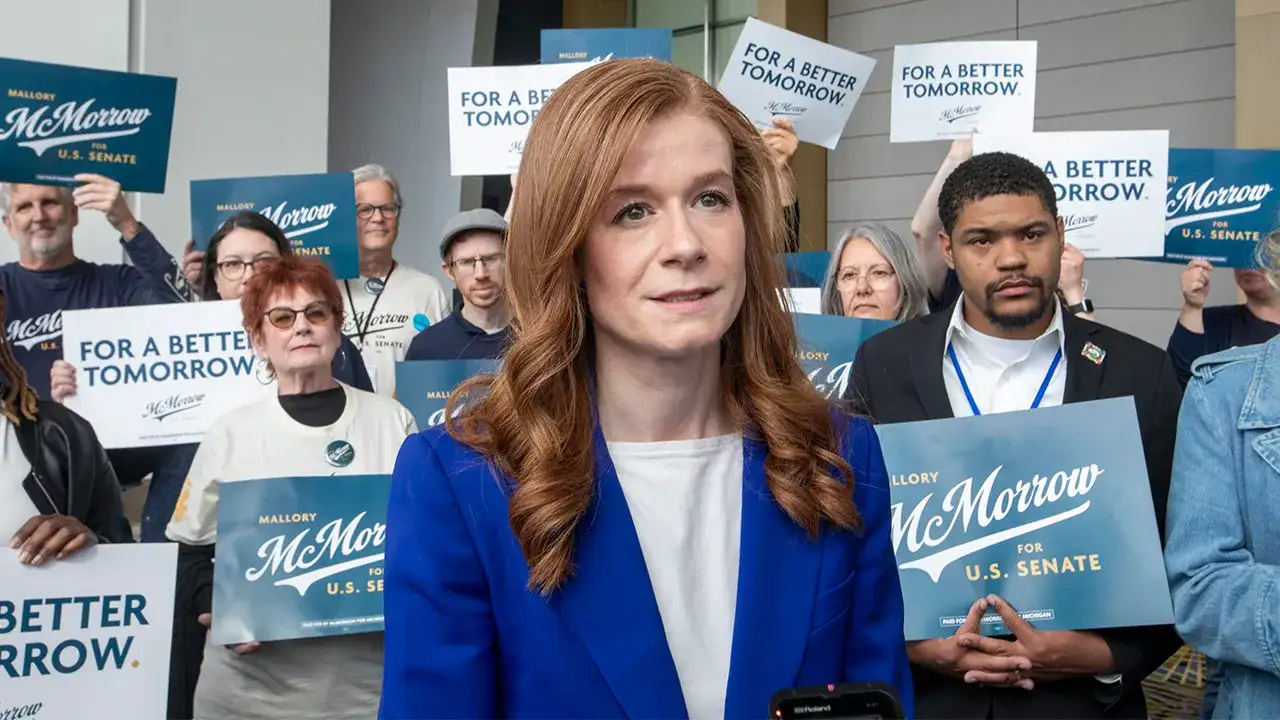
Michigan state Sen. Mallory McMorrow, a Democratic candidate in the 2026 U.S. Senate primary, told pro‑Palestinian podcasters she would consider how to support defensive systems for Palestinians and Lebanese civilians while arguing no one should live in fear of being bombed. After the interview, a McMorrow spokesperson clarified that her openness would not apply to Palestinians in areas controlled by Hamas. McMorrow said her priority is ending the war and achieving lasting peace, expressed a desire for missile defenses to be unnecessary for anyone, and said she would have supported Sen. Bernie Sanders’s resolution that sought limits on certain weapons sales to Israel (a measure that failed in April). During the podcast she did not explicitly name Hezbollah when discussing rockets fired from Lebanon and did not push back when hosts criticized Israel. McMorrow framed her stance as an attempt to hold the Democratic coalition together in a competitive primary that also includes Rep. Haley Stevens and Abdul El‑Sayed. The Fox News article highlights these remarks and emphasizes reaction from hosts and the candidate’s campaign clarifications.
Biblical Reflection
From a Christian perspective, the impulse to protect innocent civilians and to seek an end to violence reflects core biblical commitments to human dignity and peace. ‘‘Do no harm’’ and care for the vulnerable are faithful priorities. At the same time, the proposal to arm or provide defensive systems to civilian populations raises practical and moral questions: who controls the weapons or technology, how would such defenses avoid empowering violent actors, and who bears accountability when abuses occur? The article itself mixes factual reporting with framing choices (e.g., highlighting controversial associations, using charged phrases like “eyebrow‑raising”) that may nudge readers toward skepticism or alarm. Christians should note both the positive motive (protecting civilians) and the risks (condoning or enabling violence, failure to name aggressors). Politically, the candidate’s language aims for coalition building by emphasizing safety and peace, but vagueness on perpetrators and tactical realities can obscure justice questions — justice and peace are linked in Scripture (true peace requires righting wrongs, not merely removing symptoms). Practically, believers should hold to compassion for all victims, insist on truthful naming of violence and perpetrators where appropriate, and advocate solutions that protect the innocent while refusing to legitimize terror. Discernment is needed when media stories highlight provocative moments: separate the underlying ethical concern (protect civilians, end suffering) from the political theater and rhetorical tactics used to win constituencies.
Scripture in context
This outlook does not yet include contextual Scripture citations. Do not treat a general biblical theme as an exegetical conclusion.
Faithful Response
No prescribed response is offered. Consider the reflection prompts below in your own church context.
Reflection and Discussion
- 1Whom does the story name as responsible for violence, and where does it leave out key actors — how does that affect our understanding of justice and responsibility?
- 2Does the coverage emphasize motives (protecting civilians, seeking peace) or merely the political theater around those motives — how should Christians weigh both when forming an opinion?
- 3Are proposals framed in the article realistically evaluated for their practical and moral consequences (control, accountability, unintended empowerment of violent actors)?
Sources
Reporting links are evidence inputs; Sanctuary News' biblical reflection is commentary.
This outlook currently relies on fewer than two linked sources. Broaden verification before teaching from it.
- 1.Original reportprimary