News Summary
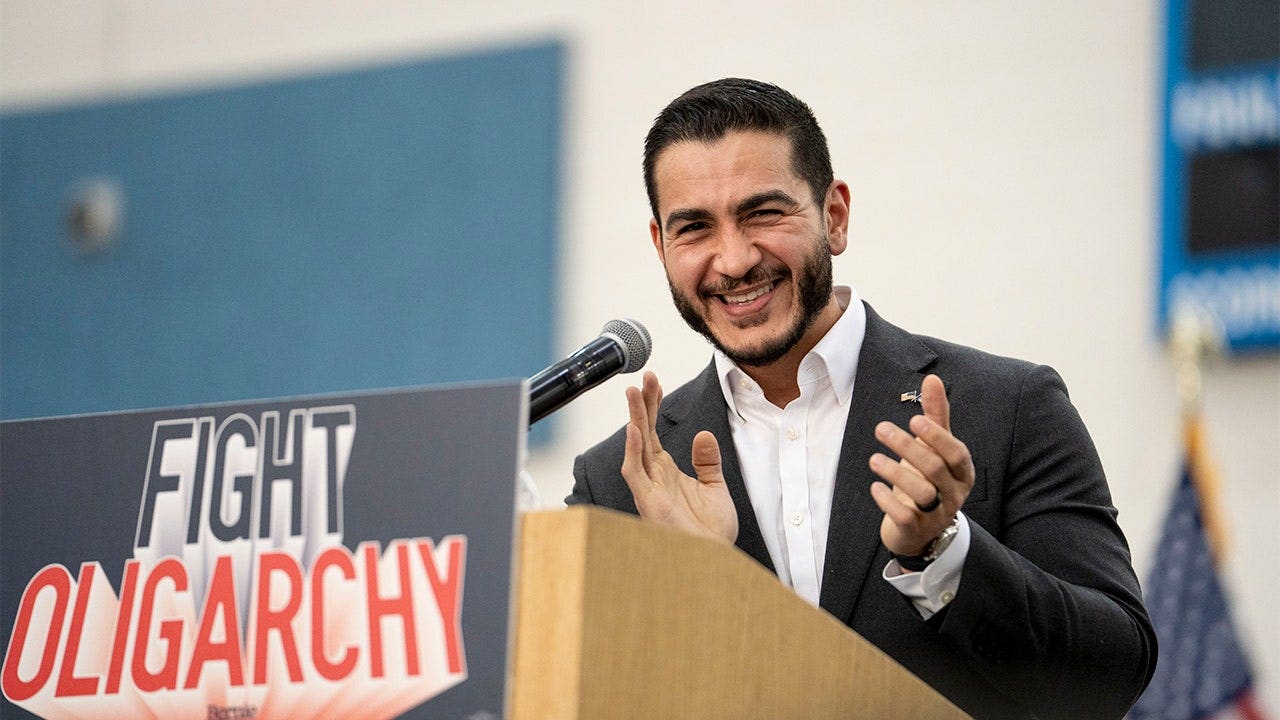
During a CNN interview, host Kasie Hunt asked Michigan Senate candidate Abdul El‑Sayed three times whether he believes Israel has a right to exist. El‑Sayed declined to give a simple yes/no, saying the question was a “gotcha” and emphasizing that Israel exists while arguing that Palestinians’ right to exist is rarely asked and that U.S. funding should not support what he described as "genocide and apartheid." He framed the issue around AIPAC’s reported $30 million in spending in the race and argued for prioritizing investments in Michigan. Hunt also raised since‑deleted social media posts from 2020 in which El‑Sayed had expressed support for the defund‑the‑police movement; El‑Sayed said his record in county government shows he funded needed systems and favors investments in community violence intervention, behavioral health response, and law enforcement recruitment/retention. The piece notes El‑Sayed has an endorsement from Bernie Sanders and that Fox News sought comment from his campaign.
Biblical Reflection
This story sits at the intersection of foreign policy, identity politics, and electoral messaging. El‑Sayed’s responses indicate a strategic emphasis on Palestinian rights and domestic priorities rather than a direct affirmation of a contested political phrasing. The interview exposes two common dynamics: (1) media interviewers pushing for definitive, headline‑friendly answers, sometimes framing them as moral absolutes, and (2) candidates trying to reframe questions toward policy priorities and political critique. Christians should value truth and clarity: where factual claims are made (e.g., AIPAC spending amounts, descriptions of violence), verify them. Rhetorical charges like “genocide” and “apartheid” are morally heavy and can harden hearts on both sides; using such language responsibly requires clear evidence and attention to whether it advances justice or further polarizes. Pastoral discernment calls for resisting demonization, seeking justice for the oppressed (both Palestinian and Israeli civilians), and holding leaders to truthful, specific claims rather than slogans. Also be aware of media framing—labels like “dodged” can shape readers’ judgments even when a candidate attempts to broaden the moral question.
Scripture in context
This outlook does not yet include contextual Scripture citations. Do not treat a general biblical theme as an exegetical conclusion.
Faithful Response
No prescribed response is offered. Consider the reflection prompts below in your own church context.
Reflection and Discussion
- 1Is the refusal to answer a specific rhetorical question aimed at highlighting a neglected justice issue or at delegitimizing a community's existence?
- 2How does the media's choice of framing (e.g., 'dodged' or 'gotcha') shape your view of a candidate's character and motives?
- 3When powerful moral labels are used (genocide, apartheid), what evidence would you need to evaluate those claims faithfully and fairly?
Sources
Reporting links are evidence inputs; Sanctuary News' biblical reflection is commentary.
This outlook currently relies on fewer than two linked sources. Broaden verification before teaching from it.
- 1.Original reportprimary