News Summary
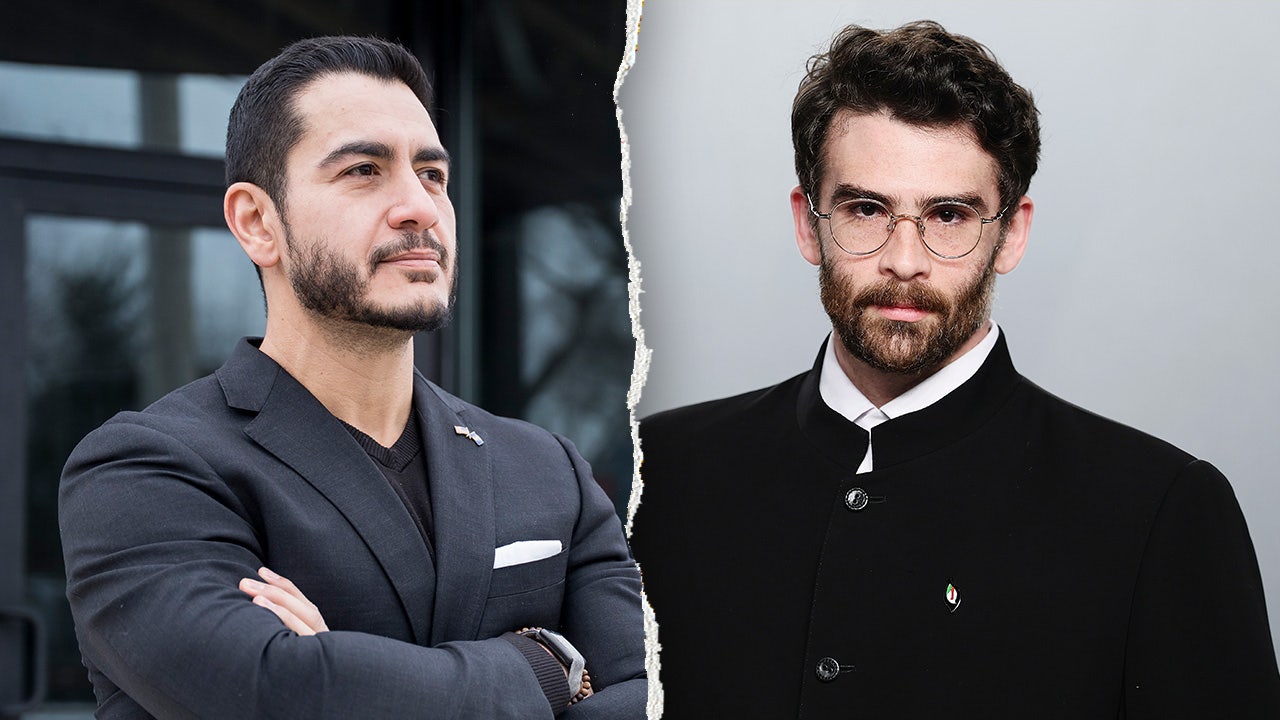
Abdul El-Sayed, a Democratic candidate for the 2026 U.S. Senate nomination in Michigan, announced campus rallies at the University of Michigan and Michigan State University featuring online streamer Hasan Piker and Rep. Summer Lee. Piker is a popular progressive influencer whose past remarks — including a widely reported comment that “America deserved 9/11” and public statements minimizing aspects of the Oct. 7, 2023 attacks — have drawn accusations of antisemitism. El-Sayed’s primary rivals (Rep. Haley Stevens and State Sen. Mallory McMorrow), Michigan Sen. Elissa Slotkin, the Anti-Defamation League, and other critics have condemned El-Sayed for campaigning with Piker, especially coming shortly after a targeted attack on a Michigan synagogue. El-Sayed defended the decision, saying engaging Piker reaches a broader, younger audience and does not imply agreement with all his views; he also noted Piker streamed at the 2024 Democratic National Convention. The primary contest is scheduled for early August and takes place in a competitive Senate battleground where the seat open by Sen. Gary Peters’s retirement is a target for both parties.
Biblical Reflection
From a Christian perspective, the core concerns here involve truth-telling, the ethics of association, the protection of vulnerable communities, and the stewardship of public influence. It is reasonable and necessary to name and oppose rhetoric that praises or minimizes violence or that targets a people group — the Bible calls believers to defend the oppressed and hate what is evil (Isaiah 1:17; Amos 5:24). At the same time, Christians should notice how political tribalism and media framing can simplify complex motives: inviting a controversial communicator to reach new voters is a tactical choice, not necessarily an endorsement of every past statement. The article largely frames the story through opponents’ criticisms and highlights inflammatory quotes, which is valid news reporting but can amplify outrage without fully exploring context or possible responses (apology, clarification, or accountability). Christian discernment requires holding both convictions: condemn words that dehumanize or praise violence, and also judge political strategies on their fruit — whether they promote honest conversation, reconciliation, and justice, or whether they deepen division and normalize harmful speech. Finally, Christians should be wary of binary narratives that reduce people to a single statement; the gospel calls us to call out evil, offer repentance where appropriate, and seek the peace and welfare of our communities (Jeremiah 29:7).
Scripture in context
This outlook does not yet include contextual Scripture citations. Do not treat a general biblical theme as an exegetical conclusion.
Faithful Response
No prescribed response is offered. Consider the reflection prompts below in your own church context.
Reflection and Discussion
- 1What evidence does the article present versus what it assumes about intent — does campaigning with a controversial figure necessarily mean full endorsement of that person's entire record?
- 2Whose voices are centered or marginalized in this coverage (victims, critics, the streamer, the candidate), and how does that shape public perception and moral urgency?
- 3How should Christians weigh the tension between free speech, political outreach, and protecting communities harmed by hateful or violent rhetoric?
Sources
Reporting links are evidence inputs; Sanctuary News' biblical reflection is commentary.
This outlook currently relies on fewer than two linked sources. Broaden verification before teaching from it.
- 1.Original reportprimary