News Summary
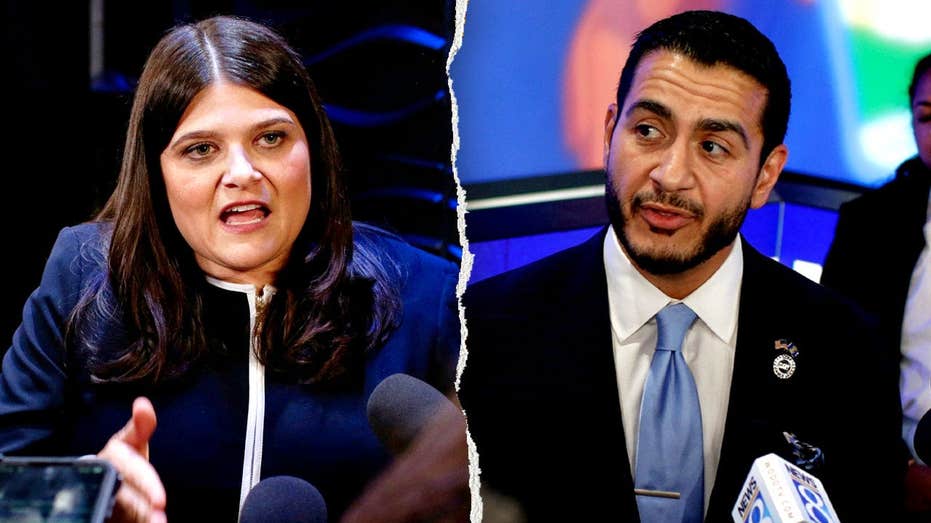
Facts reported: Rep. Hillary Scholten publicly accused Michigan Senate candidate Abdul El‑Sayed of making “sexist attacks” against Rep. Haley Stevens and Gov. Gretchen Whitmer, and Scholten characterized those attacks as “deeply sexist.” Attributed claims: the article attributes the accusation and the quoted language to Scholten. Uncertainty: the piece does not provide examples of the alleged remarks, a response from El‑Sayed, or independent corroboration of the substantive claim that sexist attacks occurred.
Source and Framing Analysis
The story is a short report that relays an allegation made by a named lawmaker. Material uncertainties include the absence of direct quotations or examples of the alleged remarks and no published response from Abdul El‑Sayed in the supplied piece. Those gaps affect the reader’s ability to evaluate the substantive truth of the accusation; the piece functions primarily to publicize the accusation rather than to adjudicate it.
Biblical Reflection
As Christians called to truth-telling and the dignity of every person, we should note two separate matters here: the factual report that a sitting member of Congress publicly accused a candidate of sexism, and the underlying substantive allegation that certain statements were sexist. The article reliably reports the accusation itself, which is a concrete political event. However, the serious moral judgment that the candidate’s remarks were sexist is asserted by a named politician and not independently documented in the piece.
Christian discernment asks us both to defend the vulnerable and to pursue careful truth. It is right to take allegations of demeaning or discriminatory speech seriously, especially when they target women in public life. At the same time, Scripture urges that accusations be handled with care so that we do not pass judgment without adequate evidence. Before forming final moral verdicts we should seek the concrete examples, hear both sides, and favor restraint over rumor.
Practically, the story exposes the wider cultural and political stakes when disagreement between people of the same party becomes personal and gendered. Christians should resist cynicism and partisan reflexes, pray for civility, and press for accountability that is evidence-based, measured, and aimed at repair rather than spectacle.
Scripture in context
- 1Ephesians 4:29 — In its literary context Paul is instructing Christian communities about speech that builds up rather than tears down, warning against corrupting talk and urging edifying words that provide grace to listeners. — This passage reminds Christians to test speech by whether it preserves others’ dignity and strengthens community; it calls us to resist language that degrades and to seek repair when words harm.
- 2James 3:1-12 — James addresses the moral danger of the tongue, observing how small words can have large moral and relational consequences and urging self-control in speech. — James prompts humility about our own speech, carefulness before condemning others for theirs, and a commitment to use words for healing rather than harm.
Faithful Response
Pray for all officials named — for truth, humility, and reconciliation.
Seek full information before sharing accusations: look for direct quotes, context, and responses from all parties.
If engaged in political conversation, refuse demeaning language and call fellow believers to measured, evidence-based critique.
Advocate for accountability in ways that restore dignity and foster truthful public discourse.
Reflection and Discussion
- 1When a public figure accuses another of moral wrongdoing, what procedural or evidentiary standards should I insist upon before accepting or repeating the claim?
- 2How does my allegiance to a political party shape my willingness to investigate or dismiss allegations against party members?
- 3What practices can Christian communities adopt to ensure our speech promotes righteousness and reconciliation rather than division?
Sources
Reporting links are evidence inputs; Sanctuary News' biblical reflection is commentary.
This outlook currently relies on fewer than two linked sources. Broaden verification before teaching from it.
- 1.Michigan Democrat accuses Abdul El-Sayed of 'deeply sexist attacks' on female political rivalsprimary_reporting