News Summary
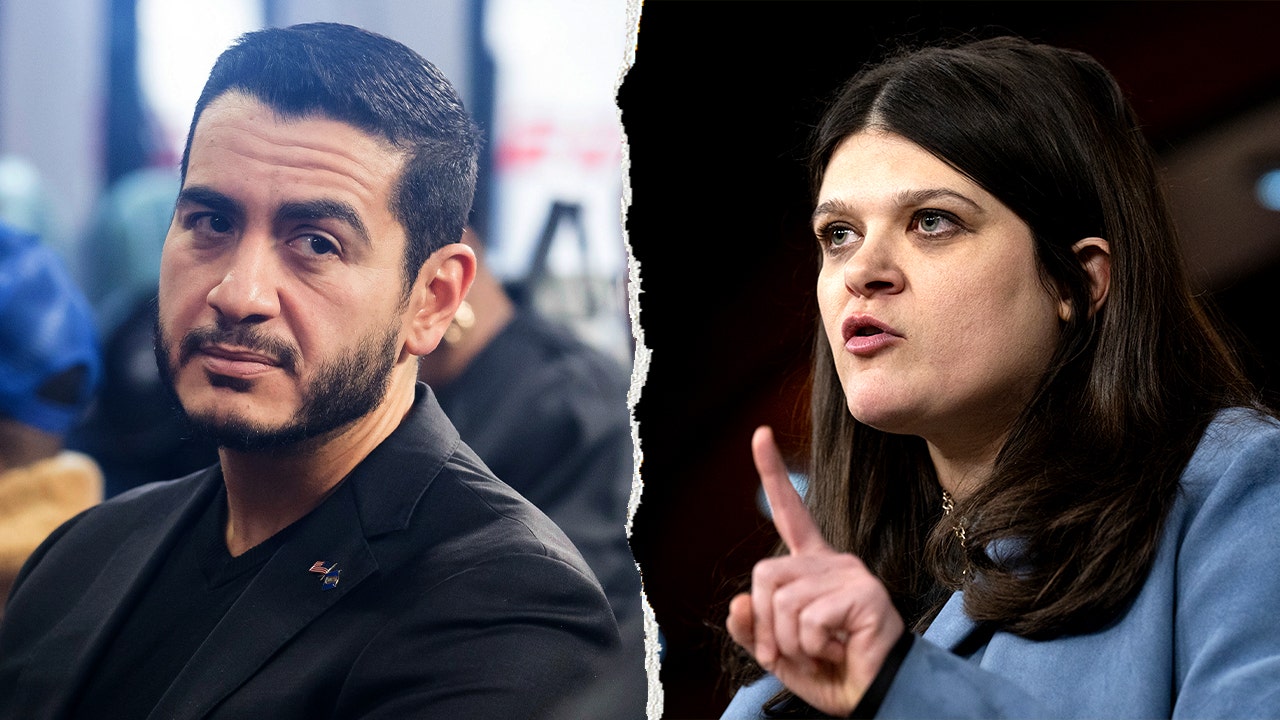
In the lead-up to the Aug. 4, 2026 Democratic primary for the open U.S. Senate seat in Michigan, moderate Rep. Haley Stevens—backed by Senate Minority Leader Chuck Schumer and establishment groups—is competing against progressive former Wayne County health director Abdul El‑Sayed, who is endorsed by Bernie Sanders and Alexandria Ocasio‑Cortez. State Sen. Mallory McMorrow suspended her campaign and said she will support the eventual nominee. The primary winner will face former Republican Rep. Mike Rogers in November for the seat being vacated by retiring Sen. Gary Peters. Cook Political Reporter rates the general election race a toss-up. The article highlights internal Democratic tensions between establishment and progressive wings, notes large outside spending for Stevens (including groups aligned with pro‑Israel interests), and notes El‑Sayed’s policy positions (Medicare‑for‑All, abolishing ICE, and criticism of Israel) and his pledge not to accept PAC money. Supporters and strategists on both sides argue the primary outcome has implications for Democratic electability in a narrowly competitive state.
Biblical Reflection
This article frames the Michigan primary as a defining contest between an establishment wing focused on perceived electability and a progressive wing focused on systemic change. The facts reported—endorsements, outside spending, policy positions, and McMorrow’s withdrawal—are material; the piece’s language (“far‑left,” “establishment,” “rigged”) signals partisan framing that can inflame identity and fear rather than clarify policy trade‑offs. Christians called to pursue truth should note two dynamics: 1) the political marketplace often elevates strategy and labels over substantive moral reasoning about human flourishing, and 2) money and media shape perceptions of electability in ways that can drown out quieter, neighbor‑focused concerns such as economic stability, healthcare access, and community safety. Evaluate claims about electability and motives carefully—whose interests are served by the spending and the labels, and which policies most tangibly help neighbors in need? Pastoral discernment asks voters to weigh character, concrete policy effects, and the common good above partisan caricature, resisting narratives that dehumanize opponents and trading anxiety for informed, prayerful judgment.
Scripture in context
This outlook does not yet include contextual Scripture citations. Do not treat a general biblical theme as an exegetical conclusion.
Faithful Response
No prescribed response is offered. Consider the reflection prompts below in your own church context.
Reflection and Discussion
- 1Who benefits from the labels 'far‑left' or 'establishment' in this coverage, and how might those labels distract from concrete policy consequences?
- 2How does outside spending—PAC money or grassroots small donations—shape which voices are heard, and what does that mean for faithful civic stewardship?
- 3Are the issues emphasized in the race (e.g., Israel, Medicare‑for‑All, immigration enforcement) displacing other practical concerns facing Michigan families, and how should Christians prioritize among them?
Sources
Reporting links are evidence inputs; Sanctuary News' biblical reflection is commentary.
This outlook currently relies on fewer than two linked sources. Broaden verification before teaching from it.
- 1.Original reportprimary