News Summary
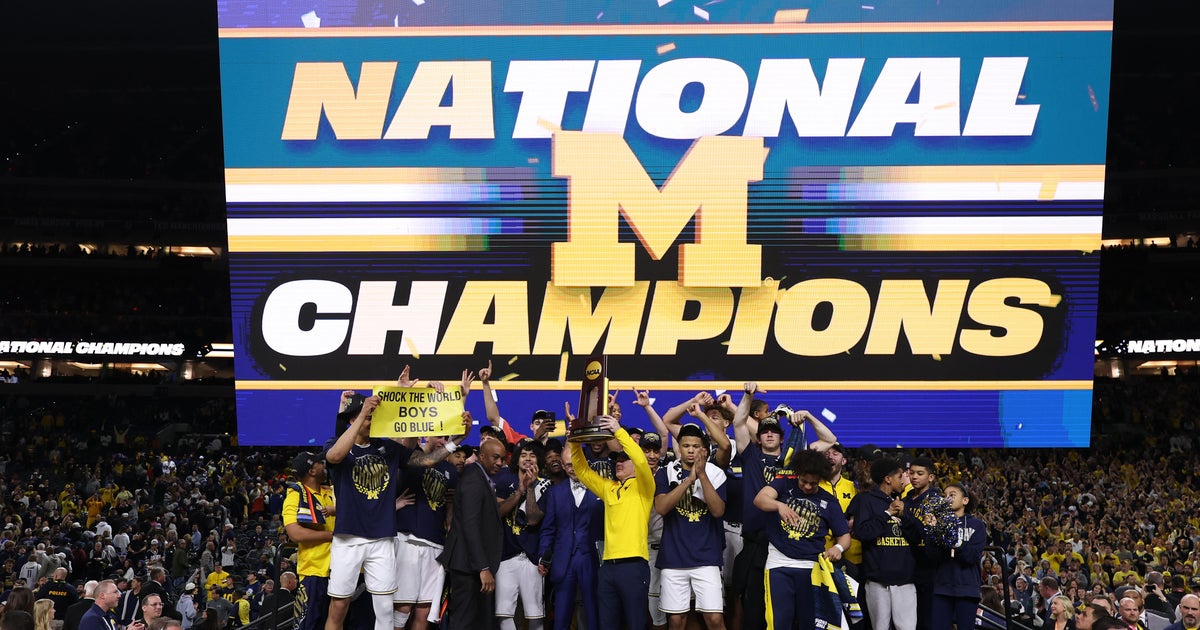
Michigan defeated UConn 69-63 in the 2026 NCAA men's basketball national championship game. The victory is Michigan's second NCAA title and its first national championship since 1989, and it ended a 26-year national championship drought for the Big Ten. Elliot Cadeau led Michigan with 19 points. Freshman Trey McKenney hit a key 3-pointer late in the second half and later sank two free throws to secure the win. Michigan shot 25-for-28 from the free-throw line. UConn was held to 30.9% shooting for the game, suffered significant foul trouble, and missed multiple 3s late in the contest; Alex Karaban scored 17 for UConn. Michigan finished the season 37-3; UConn finished 35-5. The article notes Michigan's starters were all transfers (all five had played elsewhere), framing the roster as assembled via the transfer portal. During postgame celebrations in Ann Arbor, police reported thousands of fans, two arrests, more than 40 small fires extinguished by the fire department, and some damaged street signs; no serious injuries were reported. The article also referenced Michigan's defensive shot-blocking earlier in the tournament and coach Mike (last name May in the article) comments on the team's work ethic.
Biblical Reflection
From a Christian perspective, this story carries both positive and cautionary elements. Positively, the article documents teamwork, perseverance, and disciplined performance under pressure—virtues we can affirm and celebrate. The players’ work, sacrifice, and unity reflect stewardship of gifted abilities and the good of a community that rallies around shared achievement. However, the article's framing also contains cultural assumptions worth discerning. Phrases like "the best team money could buy" and labeling players "mercenaries" reveal a skeptical view of the transfer portal and the commercialization of college athletics; that framing reduces people to transactions and feeds a narrative that success is purchased rather than cultivated. Christians should test that narrative: success can be shaped by resources, but motives and character matter more than perception of funding. The reporting rightly records facts (score, stats, arrests), but it blends fact with interpretive language that encourages cynicism about modern college sports. Finally, the postgame behavior (fires, vandalism, arrests) highlights a need for temperance and responsible celebration. Scripture calls believers to rejoice with gratitude and to avoid celebrating in ways that harm others or dishonor God. In short: celebrate the good—teamwork, excellence, community joy—while refusing to idolize victory, money, or celebrity; call for humility, gratitude, and self-control in response to success.
Scripture in context
This outlook does not yet include contextual Scripture citations. Do not treat a general biblical theme as an exegetical conclusion.
Faithful Response
No prescribed response is offered. Consider the reflection prompts below in your own church context.
Reflection and Discussion
- 1How does the article’s language (e.g., “money could buy,” “mercenaries”) shape your view of the players and coaches — does it encourage a fair assessment of motives or a cynical one?
- 2When a community's identity is tied to a sports victory, what spiritual dangers and opportunities arise for Christians in that community?
- 3Does the coverage reasonably separate factual reporting from editorializing? How should Christians weigh the facts of victory against concerns about commercialization or excess?
Sources
Reporting links are evidence inputs; Sanctuary News' biblical reflection is commentary.
This outlook currently relies on fewer than two linked sources. Broaden verification before teaching from it.
- 1.Original reportprimary