News Summary
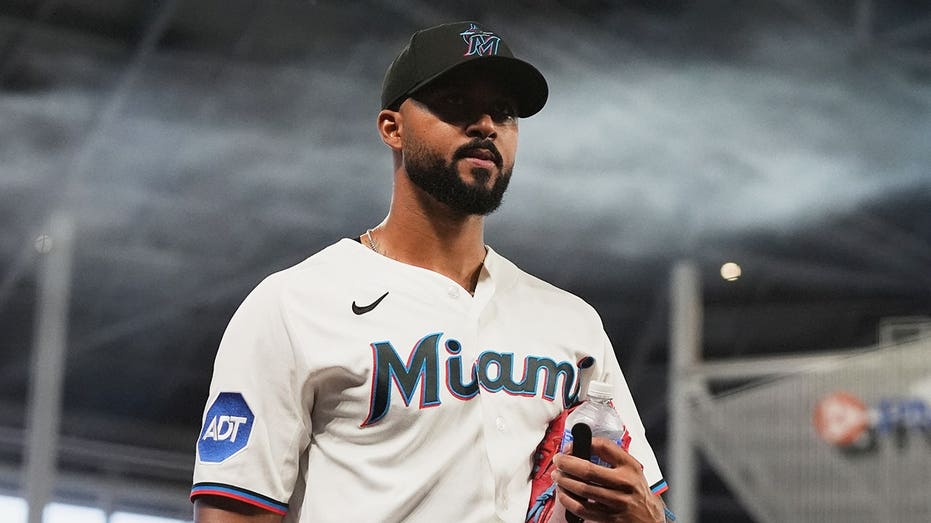
Facts reported: The Miami Marlins have lost ten consecutive games after a month the article describes as "historic" (June). The article reports a controversy involving pitcher Eury Pérez tied to a recent near perfect-game event and suggests the controversy may have negatively affected the team's playoff chances. Opinion/attribution: The piece frames the team's decline as a predictable return to mediocrity and implies a causal link between the Pérez controversy and the losing streak. Uncertainty: The article does not provide independent data or multiple sources to substantiate causal claims linking the controversy to the team's on-field performance.
Source and Framing Analysis
This is a single opinion piece from Fox News/Outkick Sports that uses rhetorical framing ("collapse," "cursed," "predictable") to connect a personnel controversy with team performance. Material uncertainties include lack of statistical analysis (injuries, run differential, opponent strength), no cited statements from team officials or players, and no independent corroboration tying the controversy to measurable declines in play. The framing invites readers to accept a post hoc causal narrative without supplying evidence.
Biblical Reflection
Theologically, this story is small but revealing. Sports coverage often elevates narratives that satisfy our hunger for drama: heroes fall, villains emerge, curses are named. The gospel invites a different posture — one of sober truth-telling and compassion. Before accepting a story that pins a team's fate on one incident or person, Christians should ask whether the account relies on verified causation or merely on satisfying storytelling. We are commanded to love our neighbors; that includes public figures who are easily caricatured by headlines.
Practically, Christians who follow sports can model healthier responses: acknowledge disappointment without dehumanizing players, resist rumors that scapegoat individuals, and foster community around encouragement, not cruelty. In congregational life, sports can be a place to teach humility, perseverance, and solidarity with those under public pressure. Remember that notoriety does not remove a player's dignity or need for mercy.
Finally, this piece is a reminder to test narratives. The Bible consistently warns against quick judgments and appeals to spectacle. Being discerning about sources, seeking fuller context, and prioritizing truth and mercy are faithful habits for how Christians read media, even on seemingly light topics like a team's slump.
Scripture in context
- 1Philippians 2:3-4 — Paul urges believers to adopt humility, considering others above themselves and looking to others' interests in a letter addressing unity and Christlike conduct within the early church. — This passage counsels readers to resist prideful judgment and to prioritize the welfare of others — a corrective to vilifying or scapegoating athletes when they struggle publicly.
- 2James 1:19 — James advises Christians to be quick to listen, slow to speak, and slow to anger while addressing social discord and ethical living among believers. — Applied to media consumption, it encourages careful listening and restraint in forming conclusions, rather than rushing to amplify sensational takes about people under pressure.
Faithful Response
Pause before sharing or amplifying speculative narratives that blame individuals; seek reliable information about causes (injuries, schedule, roster changes).
Practice mercy: avoid personal attacks on athletes and their families; model gracious speech in comments and conversations.
Use disappointment in sports as a teaching moment about misplaced hope — encourage investment in character over results.
Pray for those affected (players, staff, fans) and for truthful, restorative reporting from media outlets.
Reflection and Discussion
- 1When a popular figure or team falters, how should the gospel shape our first response?
- 2What patterns of speech or behavior in sports fandom reveal where we place our hope?
- 3How can we show mercy and care to those under public scrutiny while still seeking truth?
Sources
Reporting links are evidence inputs; Sanctuary News' biblical reflection is commentary.
This outlook currently relies on fewer than two linked sources. Broaden verification before teaching from it.
- 1.Miami Marlins’ collapse back to mediocrity is so predictable you could set your watch to itprimary_reporting