News Summary
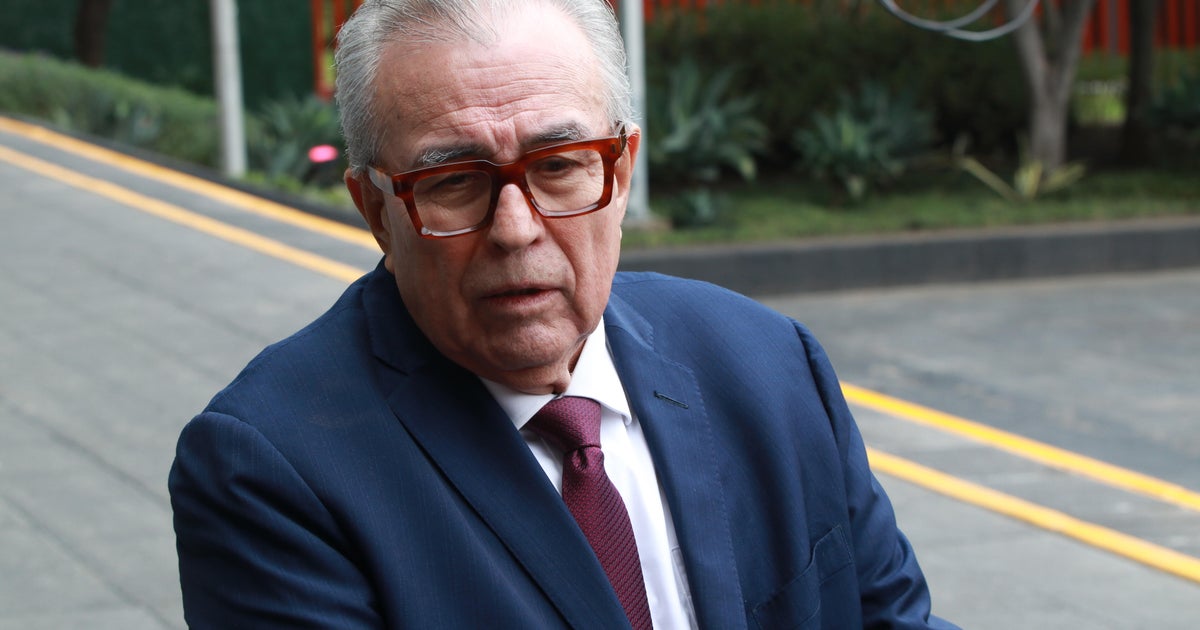
The U.S. Justice Department indicted Sinaloa Governor Ruben Rocha Moya and nine others this week, alleging they worked with the Sinaloa cartel to distribute large quantities of narcotics to the United States. Charges against Rocha Moya include narcotics importation conspiracy, possession of machine guns and destructive devices, and related conspiracies; the indictment states potential penalties including life imprisonment or a mandatory minimum of 40 years. Rocha Moya denied the allegations as false and submitted a formal request to the Sinaloa State Congress for a temporary leave from his governorship to facilitate investigations. Juan de Dios Gamez, mayor of Culiacán, also announced his resignation after being named in the indictment. Mexican President Claudia Sheinbaum said Mexico would extradite officials to the U.S. only if provided with "irrefutable evidence" of cartel links. The indictment follows earlier reporting that linked Rocha Moya’s name to a 2023 Sinaloa cartel scandal, and it comes amid heightened tensions between Mexico and the U.S., including recent U.S. designations of the Sinaloa cartel as a foreign terrorist organization and the reported deaths of two U.S. agents tied to a drug operation. Those who step down lose certain immunities and can be investigated; the accused remain charged, not convicted, and the legal process is ongoing.
Biblical Reflection
From a Christian perspective this story highlights several intersecting realities: the persistent problem of corruption and criminal influence in political life, the human cost of the drug trade, and the importance of both seeking justice and guarding due process. Scripture teaches that leaders are called to steward power faithfully and that injustice causes real harm to the vulnerable (Proverbs 29:2; Isaiah 1:17). At the same time, Christians should be cautious of hastily adopted narratives: the article reports accusations and legal actions, not convictions. Media headlines and political rhetoric can amplify fear, assign guilt before trial, or be used to score partisan points. The underlying worldview in play often privileges either a security-first posture (favoring strong measures, foreign cooperation, and delegations of authority) or a sovereignty-and-procedure posture (emphasizing national legal standards, evidence thresholds, and protections against external intervention). Both concerns have moral weight: communities harmed by trafficking need protection and accountability, while rule-of-law principles and fair legal process guard against miscarriages of justice and political abuse. Christians should pray for truth and wise judgment, advocate for the protection of the innocent and the vulnerable, and call leaders to accountability without abandoning mercy and due process.
Scripture in context
This outlook does not yet include contextual Scripture citations. Do not treat a general biblical theme as an exegetical conclusion.
Faithful Response
No prescribed response is offered. Consider the reflection prompts below in your own church context.
Reflection and Discussion
- 1How does the language used (accused, indicted, alleged, convicted) shape your immediate judgment, and am I mentally treating accusations as proven facts?
- 2What pressures—political, security, or economic—might allow organized crime to gain influence over public officials, and where do calls for expediency risk undermining due process?
- 3Are public and religious responses focused primarily on punishment, or do they also consider justice for victims, systemic reforms, and mercy for the wrongly accused?
Sources
Reporting links are evidence inputs; Sanctuary News' biblical reflection is commentary.
This outlook currently relies on fewer than two linked sources. Broaden verification before teaching from it.
- 1.Original reportprimary