News Summary
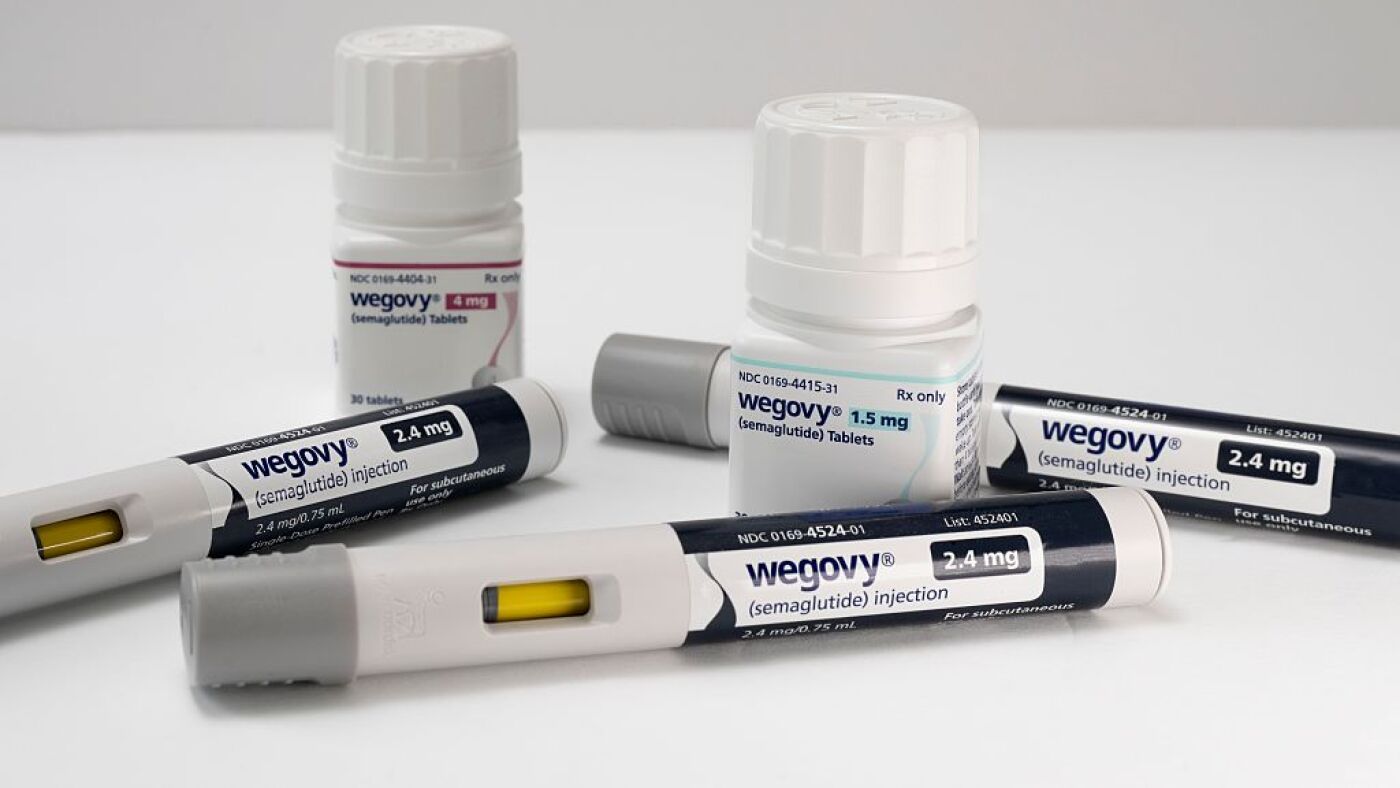
CMS will run an 18-month pilot called the Medicare GLP-1 Bridge from July 1, 2026, through Dec. 31, 2027, allowing eligible Medicare beneficiaries to obtain certain GLP-1 weight-loss drugs (Wegovy pill and injectable, Zepbound KwikPen, and Foundayo pill) for a flat $50 monthly copayment. To use the Bridge, beneficiaries must be enrolled in Medicare Part D and obtain prior authorization through a central CMS contractor system operated by Humana; prescribers need not be enrolled Medicare providers to submit requests. Eligibility hinges on BMI and health conditions: people with BMI ≥35 automatically qualify; those with BMI ≥27 qualify if they have specified comorbidities (e.g., heart disease, prediabetes). The $50 copay will not count toward Part D deductibles or the annual out-of-pocket cap, and beneficiaries receiving the low-income subsidy (Extra Help) cannot use that subsidy for Bridge-covered drugs. Beneficiaries already receiving a GLP-1 for qualifying non-weight-loss indications (such as Type 2 diabetes) will continue coverage through their regular Part D plans. The program was extended from an originally shorter Bridge after insufficient insurer participation in a proposed long-term plan; CMS has not released cost projections, and analysts say the Bridge could add billions to Medicare spending depending on uptake. Studies show many people regain weight after stopping GLP-1 therapy, and the pilot’s finite timeframe raises questions about longer-term access and costs.
Biblical Reflection
This policy change reflects a pragmatic response to two realities: GLP-1 therapies have become medically recognized for weight-related conditions and are expensive without coverage. From a Christian perspective, the move to broaden access can be seen as an expression of care for vulnerable patients—especially older adults whose health risks rise with obesity. The predictable $50 copay may reduce barriers for some who previously could not afford these medicines. At the same time, the Bridge’s limitations (no count toward deductibles or out-of-pocket caps, exclusion of Extra Help, and a limited time window) highlight tensions between compassion and stewardship. The pilot’s design also reveals a policy impulse to test short-term relief while deferring decisions about long-term financing; that posture may prioritize fiscal caution and insurer cost-shifting over sustained patient well-being. Christians should notice potential biases in the public conversation: coverage debate often centers on cost and budgeting rather than on the holistic health needs of persons or on underlying causes of obesity (social, economic, behavioral). Ethically, the Church is called both to advocate for systems that care for the needy and to practice prudent stewardship of resources. Therefore, we should celebrate increased access while pressing for policies that consider long-term continuity of care, equitable support for low-income seniors, and honest assessment of whether expensive pharmaceutical strategies are integrated with prevention and durable health solutions. Finally, the narrative around GLP-1s can also feed a cultural tendency to seek quick pharmaceutical fixes for complex social and personal problems; Christian discernment asks us to balance hope in medical progress with sober realism about limits and long-term effects.
Scripture in context
This outlook does not yet include contextual Scripture citations. Do not treat a general biblical theme as an exegetical conclusion.
Faithful Response
No prescribed response is offered. Consider the reflection prompts below in your own church context.
Reflection and Discussion
- 1Whose needs are centered in the coverage discussion — the chronically ill and poor who need sustained care, or system-level concerns about short-term costs and insurer liability?
- 2Does the policy framework prioritize immediate access at the expense of long-term continuity of care and financial protection for the most vulnerable?
- 3How should Christians weigh generosity of access to medical advances against prudent stewardship of public resources and attention to underlying causes of disease?
Sources
Reporting links are evidence inputs; Sanctuary News' biblical reflection is commentary.
This outlook currently relies on fewer than two linked sources. Broaden verification before teaching from it.
- 1.Original reportprimary