News Summary
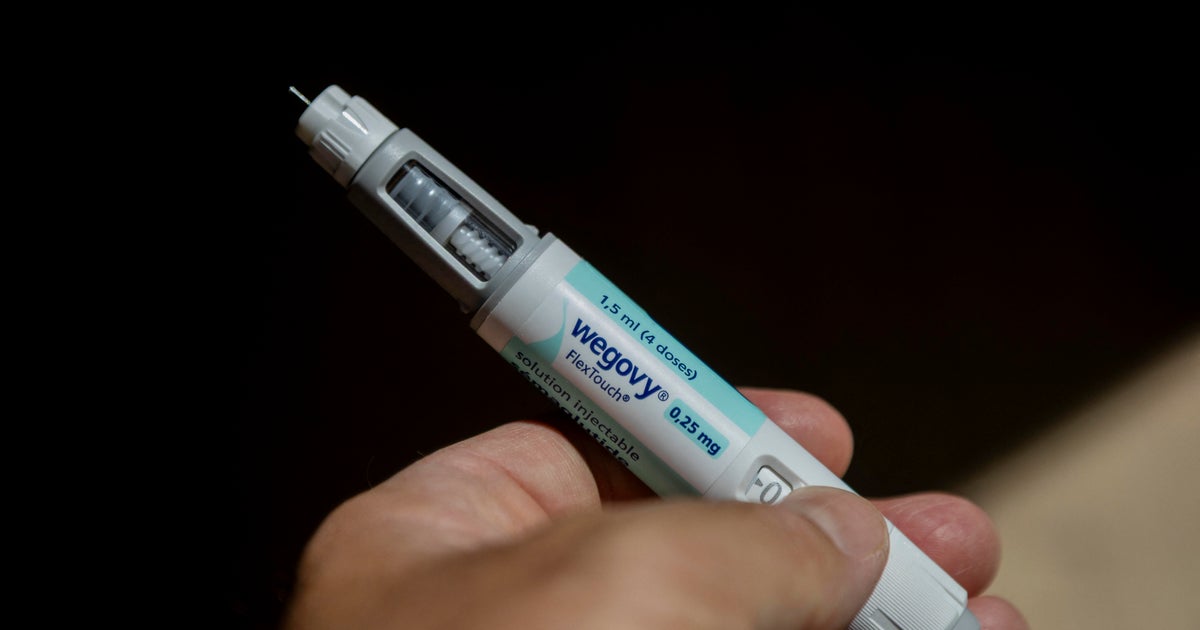
Starting July 1, 2026, CMS will operate a temporary pilot called the Medicare GLP-1 Bridge that allows some Medicare Part D beneficiaries enrolled in eligible plans to access certain GLP-1 medications prescribed solely for weight loss with a $50 monthly copay. The pilot runs through December 31, 2027. Covered products include Eli Lilly’s Foundayo (daily pill) and Zepbound (weekly injection) and Novo Nordisk’s Wegovy (injection and pill forms). Enrollment requires prior authorization from the prescribing provider showing the prescription is for obesity treatment and that the patient meets defined clinical criteria related to BMI and health conditions. Beneficiaries already receiving GLP-1s under Part D for some conditions (e.g., Type 2 diabetes, sleep apnea) are not eligible for Bridge coverage. The program is being offered outside standard Part D benefit design, so the $50 copay does not count toward a beneficiary’s deductible or annual out-of-pocket cap, and manufacturer coupons or discounts may not be applied. CMS and observers note the program uses an existing legal authority to run a temporary demonstration; continuation beyond December 2027 would require CMS extension or congressional action, and manufacturers might alter retail prices independently.
Biblical Reflection
From a Christian perspective, the program shows a concern for alleviating material burdens on older adults who face barriers to treatment, which aligns with mercy and neighbor-love. The article reports basic facts without obvious sensationalism, but it does not explore long-term safety, clinical effectiveness for broad populations, or fiscal and ethical trade-offs—areas Christians should weigh carefully. Watch for mixed motives: improved access for patients and profit incentives for manufacturers, as well as policy pressures that may prioritize popular demand over long-term evidence and equitable resource allocation. Christians should hold a posture of humble inquiry—seeking truth about benefits and risks, defending just access for vulnerable people, and practicing wise stewardship of public resources. Pastoral care should accompany policy: support those struggling with health and body image, encourage clinicians to provide thorough counsel, and advocate for policies that balance compassion, evidence, and fairness.
Scripture in context
This outlook does not yet include contextual Scripture citations. Do not treat a general biblical theme as an exegetical conclusion.
Faithful Response
No prescribed response is offered. Consider the reflection prompts below in your own church context.
Reflection and Discussion
- 1Does making a costly medication more available prioritize genuine health needs or reflect cultural pressure for quick fixes to body concerns?
- 2Who stands to benefit most from this pilot—patients, manufacturers, or insurers—and how should that shape our evaluation of the policy?
- 3Are we asking sufficient questions about long-term safety, equity of access, and the stewardship of public funds before treating temporary demonstrations as permanent solutions?
Sources
Reporting links are evidence inputs; Sanctuary News' biblical reflection is commentary.
This outlook currently relies on fewer than two linked sources. Broaden verification before teaching from it.
- 1.Original reportprimary