News Summary
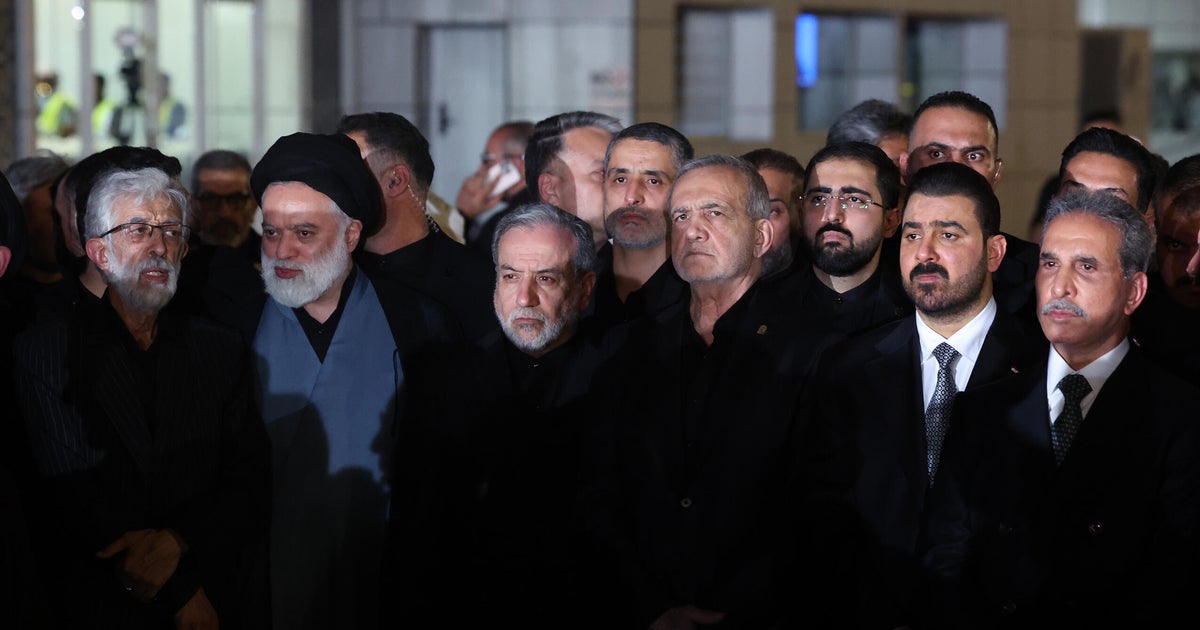
An advisory from the Joint Maritime Information Center (JMIC) in Bahrain, which includes the U.S. Navy, reiterated that the southern shipping route through the Strait of Hormuz remains expanded and available despite recent attacks on merchant vessels; the advisory said ships may transit the southern route without mandatory coordination but encouraged coordination with joint naval forces. Iran has urged commercial vessels to use a northern route close to its coast and says that route requires coordination with Iranian military authorities. Maritime intelligence group Lloyd’s List reported no large vessels publicly transiting the southern route with location transponders on since July 7; open-source tracking reviewed by CBS News showed no commercial vessels openly broadcasting intent to use the southern lane. Iranian Foreign Minister Abbas Araghchi held multiple phone calls with regional officials (Oman, Turkey, Saudi Arabia) and Pakistan’s army chief to discuss developments after a sharp flare-up earlier in the week. The exchange began when Iran struck several commercial vessels in the strait; the U.S. responded with intensive airstrikes on Iranian military sites, which U.S. Central Command said totaled at least 170 targets over two days — the most extensive U.S. strikes since a mid‑June memorandum of understanding that declared a ceasefire. Iran said at least 14 people were killed in U.S. strikes and launched missiles and drones at Kuwait, Bahrain, Qatar and Jordan; U.S. officials reported no significant damage to U.S. facilities or U.S. casualties and said most incoming weapons were intercepted. Mediators including Qatar and Pakistan have worked to bring Iran and the U.S. back to negotiations; sources said technical talks continue though President Trump stated publicly that, in his view, the ceasefire was over. U.S. officials described Iran’s attacks on tankers as acts of terrorism and reiterated that Iran must not obtain a nuclear weapon. The article also notes a state funeral in Iran for the late former Supreme Leader and public demonstrations that included calls for violence against U.S. leaders.
Biblical Reflection
The reporting documents a dangerous escalation with real humanitarian, economic, and diplomatic consequences. The article largely presents statements from U.S., Iranian, and regional actors and maritime trackers; while it includes casualty counts and claims from both sides, those figures and motives should be treated cautiously until independently verified. The underlying worldview in the piece is security-first: control of sea lanes, deterrence of attacks, and pressure through strikes and diplomacy. From a Christian pastoral standpoint, the situation exposes the limits of force as a sole means to lasting peace and highlights the moral cost borne by civilians, mariners, and regional populations. Christian wisdom calls both leaders and readers to demand truth and transparency in reporting, to resist dehumanizing rhetoric that fuels retaliation, and to prioritize avenues that protect the vulnerable and restore relationships. Support for legitimate national security must be balanced with persistent efforts at honest diplomacy, restraint, and care for those who suffer consequences beyond the immediate strategic calculations.
Scripture in context
This outlook does not yet include contextual Scripture citations. Do not treat a general biblical theme as an exegetical conclusion.
Faithful Response
No prescribed response is offered. Consider the reflection prompts below in your own church context.
Reflection and Discussion
- 1Whose perspectives and losses are most visible in this reporting, and whose human cost might be underreported or sidelined?
- 2Are short-term military gains being weighed honestly against the long-term chance for durable peace and the safety of civilians and seafarers?
- 3How might national security rhetoric shape our sympathy or condemnation, and what signs should we look for to distinguish defensive necessity from escalatory posture?
Sources
Reporting links are evidence inputs; Sanctuary News' biblical reflection is commentary.
This outlook currently relies on fewer than two linked sources. Broaden verification before teaching from it.
- 1.Original reportprimary