News Summary
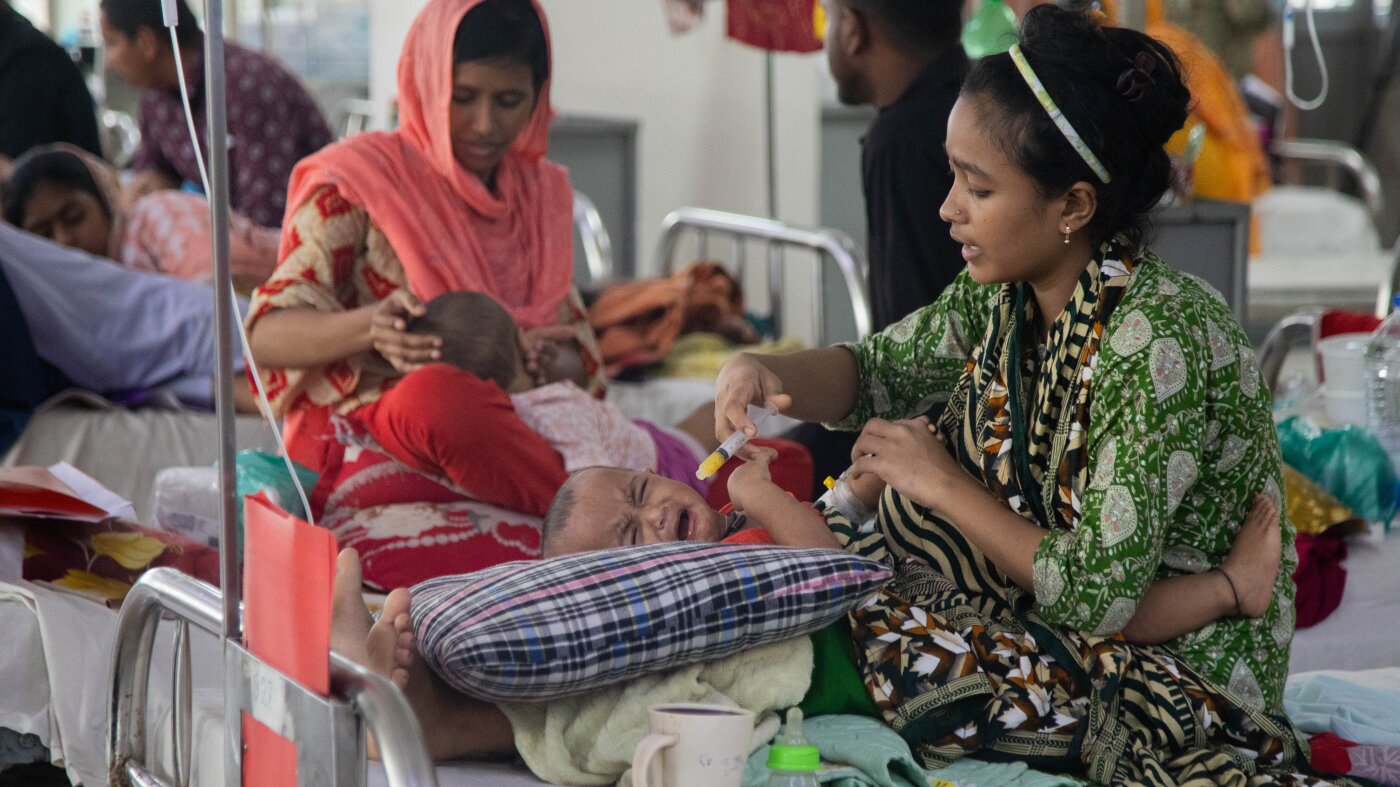
Since mid-March 2024 Bangladesh has experienced a large measles outbreak. As of May 24 the country reported about 60,000 suspected cases and 528 suspected measles-related deaths, most of them children under age five. The outbreak intensified after an 18-month interim government reorganized the vaccination system, producing bureaucratic delays and disruptions to vaccine supply and immunization campaigns. UNICEF, WHO and Gavi warned authorities in advance that delays risked a crisis. Contributing factors to high severity and mortality include widespread child undernutrition (high rates of stunting and acute malnutrition), shortages in hospital capacity and supplies, staffing gaps, and cuts or reductions in some community health initiatives. Hospitals in Dhaka and other districts have been overwhelmed; overcrowding, shared ICU beds, and inadequate isolation have been reported. The current government launched a nationwide measles vaccination campaign beginning April 5 and reports vaccinating roughly 18 million children; authorities are also providing Vitamin A and opening isolation units. Public health experts expect the mass campaign to reduce cases after several weeks, but hospitals and families continue to face shortages, financial strain, and calls for stronger emergency measures.
Biblical Reflection
From a Christian perspective this story highlights the urgency of protecting the vulnerable—especially young children—and the moral responsibility of leaders and communities to safeguard basic health needs. The reporting documents systemic causes (policy changes, supply disruptions, aid shortfalls, malnutrition) rather than attributing the crisis solely to individual fault; that aligns with a truthful, investigative approach. The article emphasizes the human cost—families turned away, children dying, and caregivers impoverished—which should prompt compassion and informed action, not sensationalism. Be attentive to two tendencies in coverage: (1) narrative framing that compares public attention across diseases (“virtually ignoring”) can be useful to call for help but risks oversimplifying why some crises receive more global attention (differences in transmissibility, geopolitical interest, funding streams); and (2) urgency in moral language can drift into assigning blame without fully accounting for structural causes and international funding dynamics. Scripturally informed response calls for both compassion (practical care, support for vaccination and nutrition programs) and accountability (advocating for transparent, responsible public health stewardship). Christians should also resist despair or cynicism: faithful action includes prayer, giving to credible relief organizations, and urging policymakers to prioritize child health and nutrition.
Scripture in context
This outlook does not yet include contextual Scripture citations. Do not treat a general biblical theme as an exegetical conclusion.
Faithful Response
No prescribed response is offered. Consider the reflection prompts below in your own church context.
Reflection and Discussion
- 1Which structural failures (policy changes, supply chains, international funding, malnutrition) does the article identify as central to this crisis, and are those being addressed in the current response?
- 2How does the article's framing about global attention and 'being ignored' shape your sense of urgency or responsibility—does it call for constructive engagement or merely provoke outrage?
- 3When reporting highlights both praise for a mass vaccination campaign and earlier government delays, how should Christians balance calls for compassion with calls for accountability?
Sources
Reporting links are evidence inputs; Sanctuary News' biblical reflection is commentary.
This outlook currently relies on fewer than two linked sources. Broaden verification before teaching from it.
- 1.Original reportprimary